Who was Melchizedek in the Bible?
Melchizedek was the king of Salem and "priest of the most high God" who blessed Abram after his victory over four kings, receiving a tithe from him (Genesis 14:18-20). The New Testament, especially Hebrews, presents him as a type foreshadowing Christ's eternal priesthood.
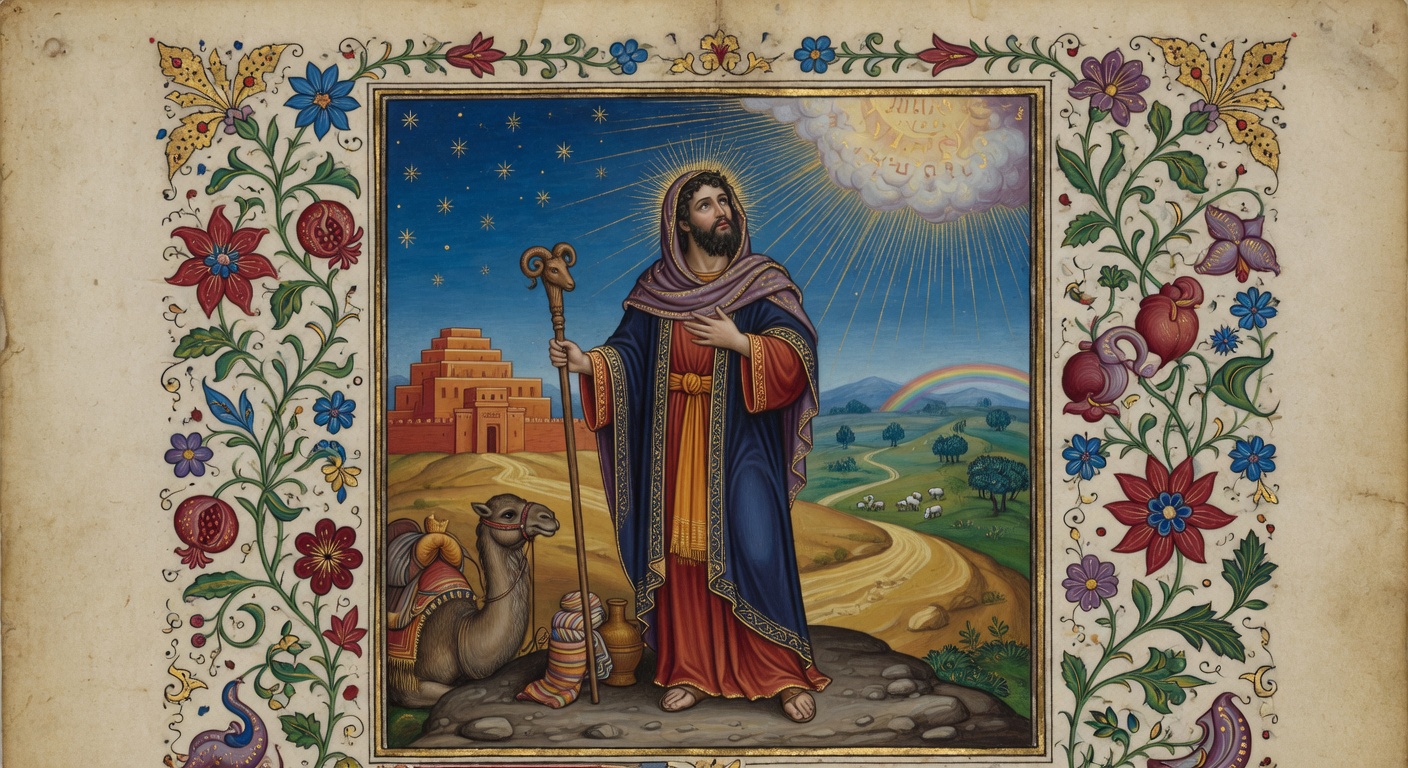
Melchizedek appears briefly but significantly in Genesis 14. After Abram rescued his nephew Lot from a coalition of kings, Melchizedek - identified as "king of Salem" and "priest of the most high God" - met Abram and brought out bread and wine, blessing him in God's name. Abram, in turn, gave him a tenth of everything. His name means "king of righteousness," and "Salem" (peace) is widely understood as an early name for Jerusalem. Psalm 110:4 later prophesies of a coming king who would be "a priest for ever after the order of Melchizedek" - combining kingship and priesthood in one person, unlike the Levitical priests who could never be kings. The Book of Hebrews (chapters 5-7) draws heavily on this, arguing that Christ's priesthood is superior to the Levitical priesthood precisely because it follows Melchizedek's pattern: without recorded genealogy, beginning, or end in the text, and uniting the offices of king and priest.
Key Passages
Melchizedek blesses Abram
Genesis 14:18-2018 And Melchizedek king of Salem brought forth bread and wine: and he was the priest of the most high God. 19 And he blessed him, and said, Blessed be Abram of the most high God, possessor of heaven and earth: 20 And blessed be the most high God, which hath delivered thine enemies into thy hand. And he gave him tithes of all.
A priest after the order of Melchizedek
Psalms 110:44 The LORD hath sworn, and will not repent, Thou art a priest for ever after the order of Melchizedek.
Christ's priesthood compared to Melchizedek's
Hebrews 7:1-31 For this Melchisedec, king of Salem, priest of the most high God, who met Abraham returning from the slaughter of the kings, and blessed him; 2 To whom also Abraham gave a tenth part of all; first being by interpretation King of righteousness, and after that also King of Salem, which is, King of peace; 3 Without father, without mother, without descent, having neither beginning of days, nor end of life; but made like unto the Son of God; abideth a priest continually.
Related People
More People & Figures Questions
Explore more Bible questions & answers, or read the full passage in context on the reading pages.