Names of God
22 names God revealed about himself - each one a window into his character, power, and love.
-
Elohim
God (plural majesty), Creator
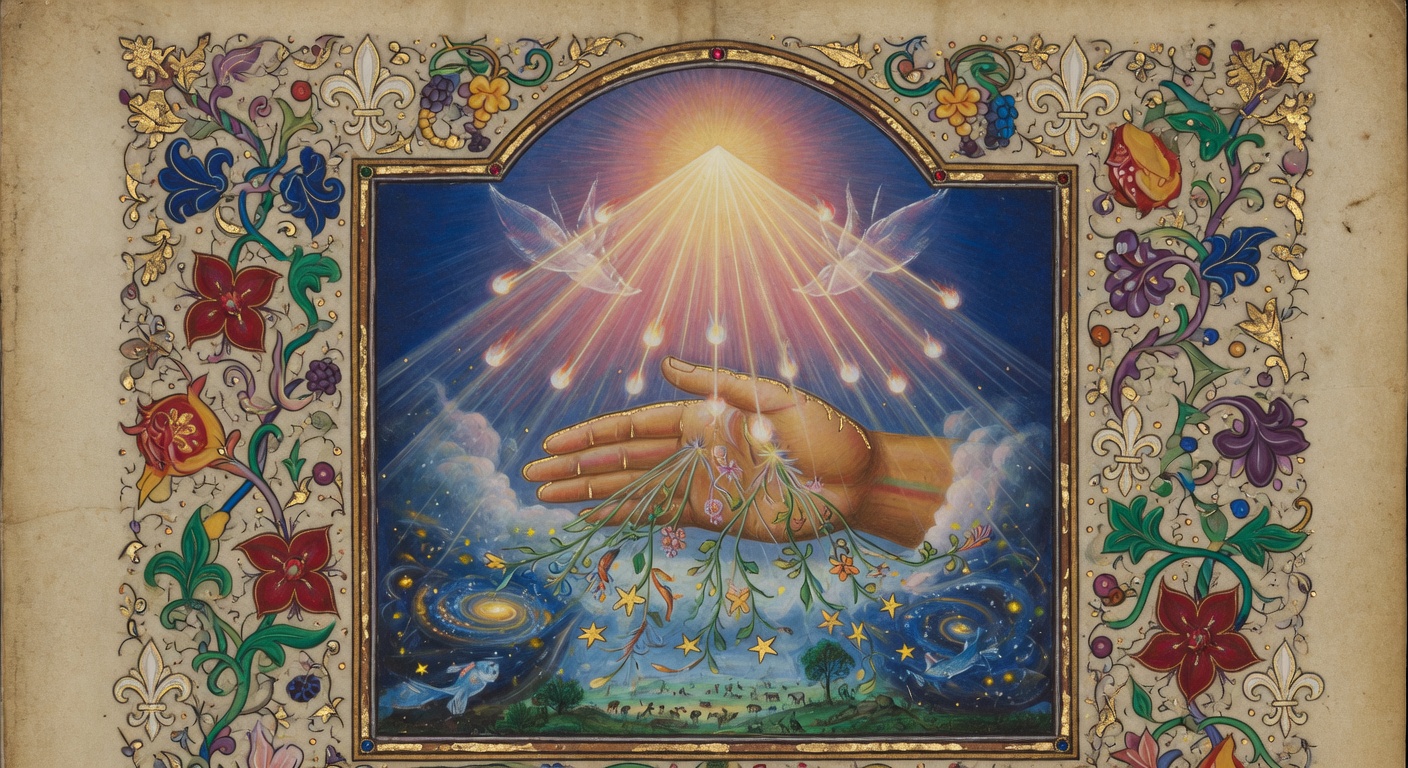
Elohim (אֱלֹהִים) is the first name for God in Scripture, appearing in Genesis 1:1. The Hebrew plural form suggests majesty and fullness, hinting at the triune nature of God. This name emphasizes God's supreme power as Creator and sovereign ruler over all that exists, speaking worlds into existence and establishing order from chaos.
-
Yahweh (LORD / Jehovah)
I AM, The Self-Existent One
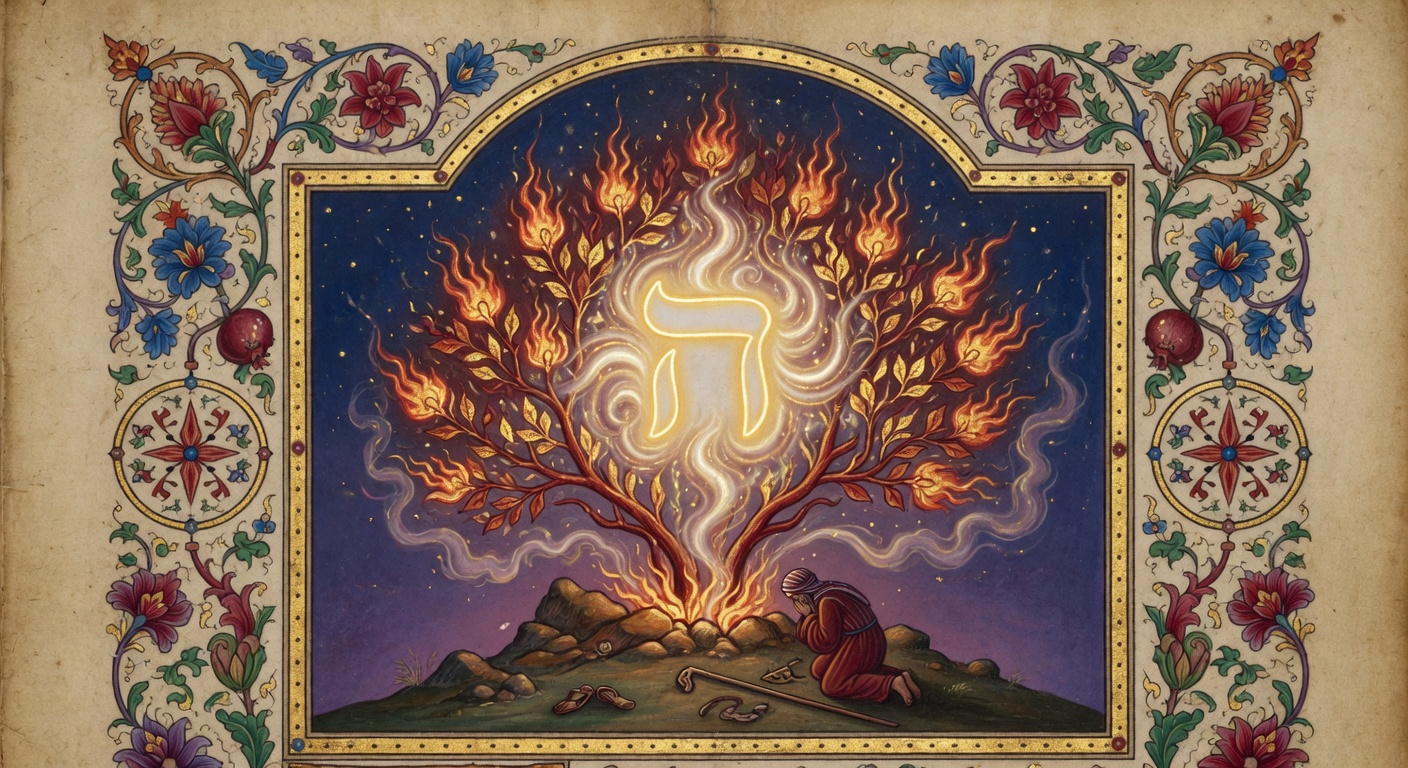
Yahweh (יהוה), rendered LORD in English Bibles, is God's personal covenant name revealed to Moses at the burning bush in Exodus 3:14 as 'I AM WHO I AM.' Derived from the Hebrew verb 'to be,' it declares God's eternal self-existence - uncreated, unchanging, and dependent on nothing. It reveals God as personally present with and faithfully committed to His covenant people.
-
El Shaddai
God Almighty, The All-Sufficient One
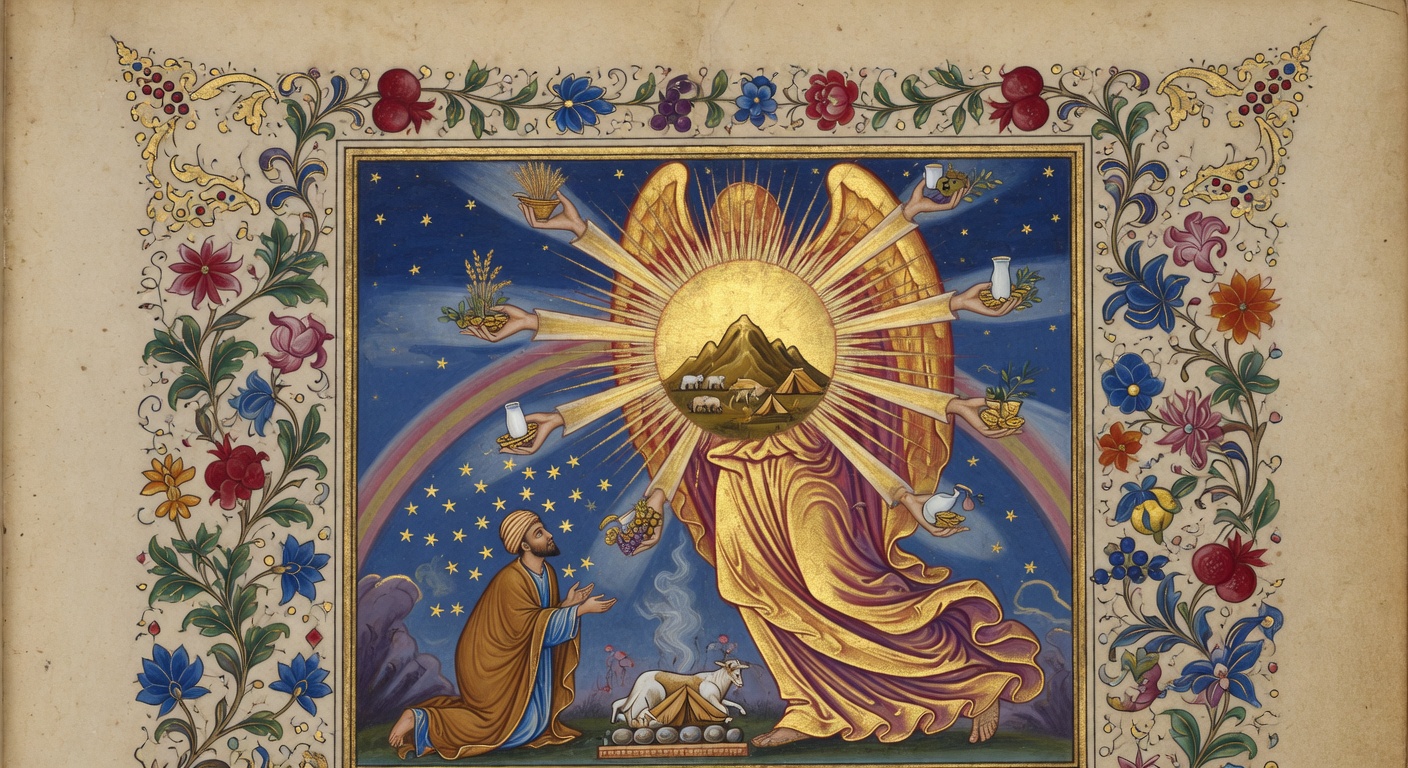
El Shaddai (אֵל שַׁדַּי) means 'God Almighty,' first revealed to Abraham in Genesis 17:1. The name likely derives from a root meaning 'mountain' or 'breast,' conveying both overwhelming power and nurturing provision. It appears when God promises to make Abraham fruitful despite old age, revealing that God possesses all power needed to fulfill His promises, however impossible they appear.
-
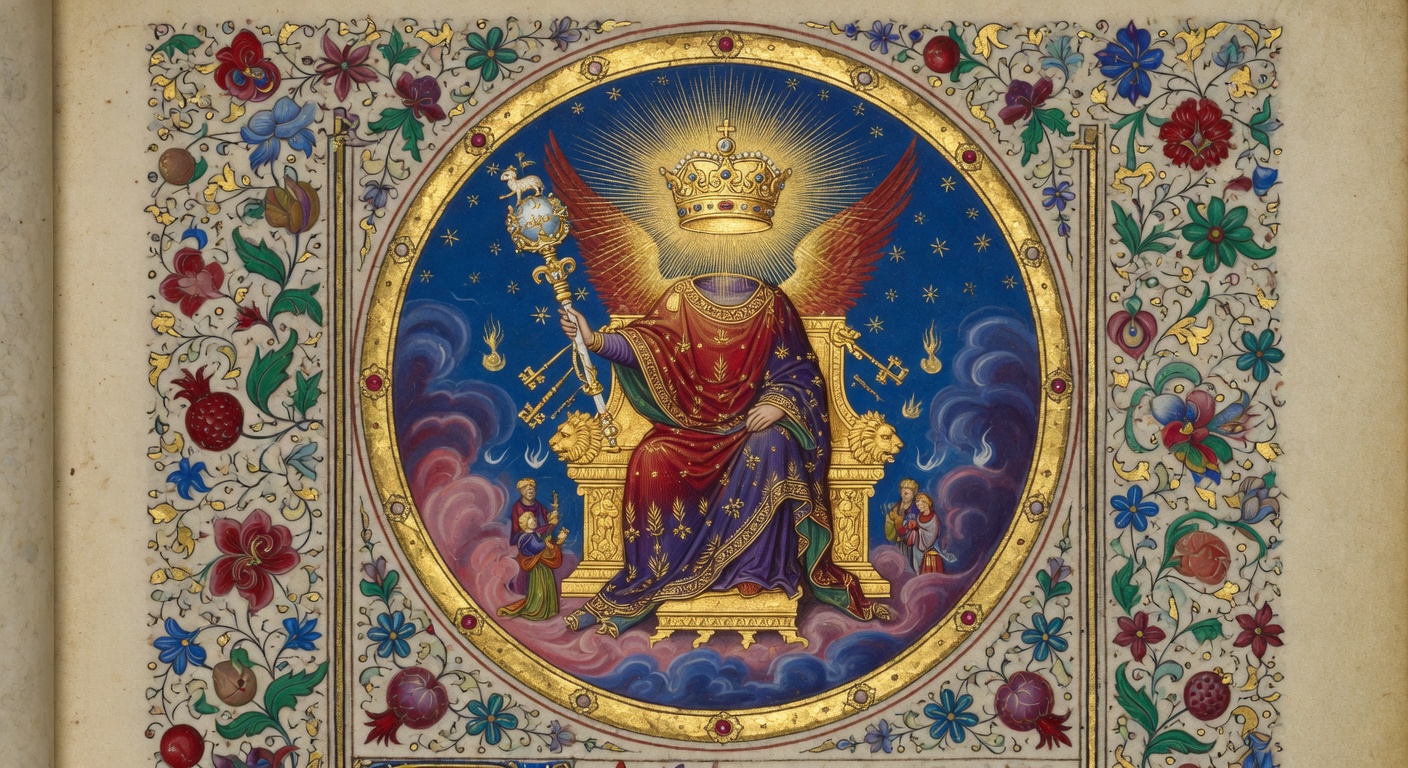
Adonai
Lord, Master, Owner
Adonai (אֲדֹנָי) means 'Lord' or 'Master,' first used by Abraham in Genesis 15:2. The Hebrew plural of majesty derives from 'adon' (lord), expressing supreme authority and sovereign ownership. When Jews encountered Yahweh in Scripture, they spoke 'Adonai' instead out of reverence. This name reveals God's absolute lordship, calling us to willing submission to the One who owns all things.
-
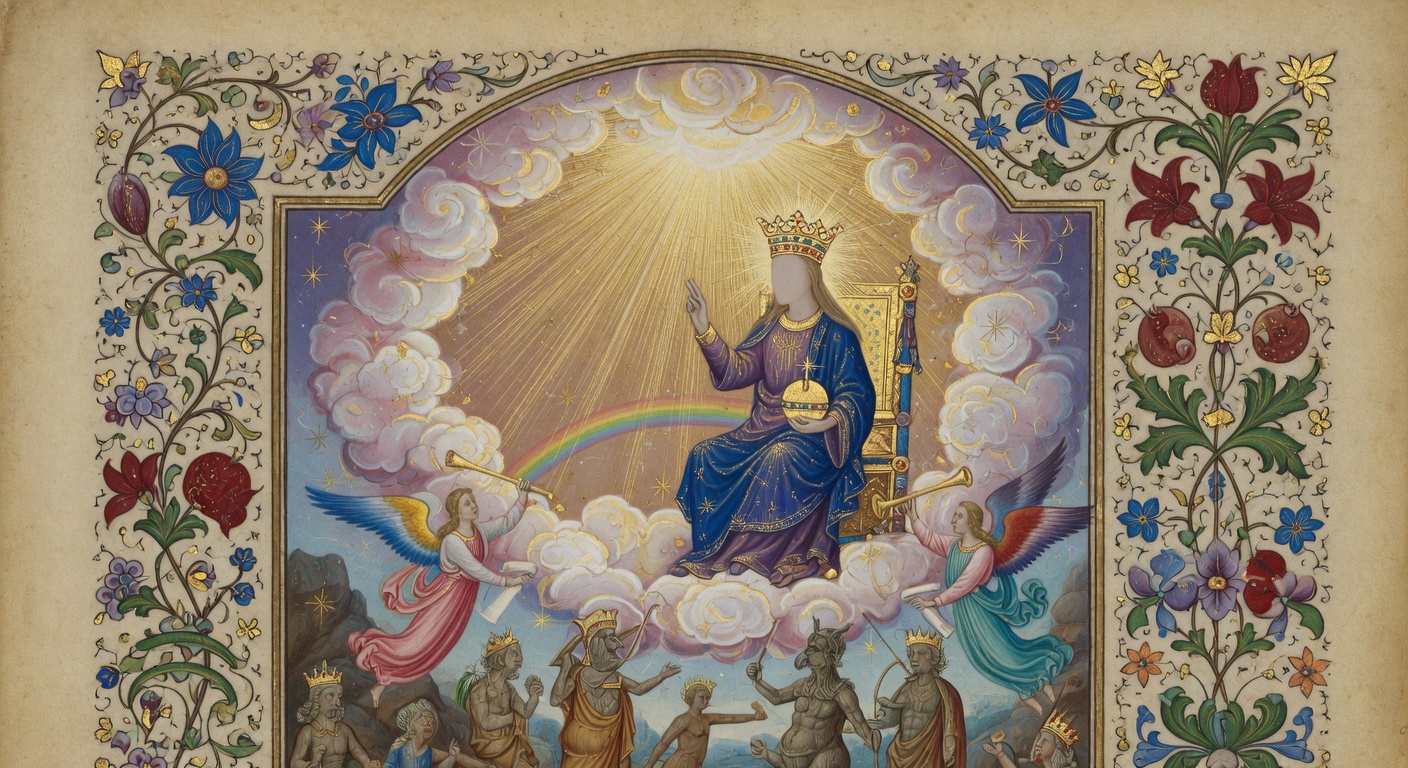
El Elyon
God Most High
El Elyon (אֵל עֶלְיוֹן) means 'God Most High,' first appearing in Genesis 14:18-20 when Melchizedek blessed Abraham. The Hebrew 'elyon' means 'highest,' declaring God's supreme position above all powers and authorities. This name reveals that no force in heaven or earth rivals God's sovereignty - He reigns above all earthly rulers and spiritual beings.
-
Jehovah-Jireh
The LORD Will Provide
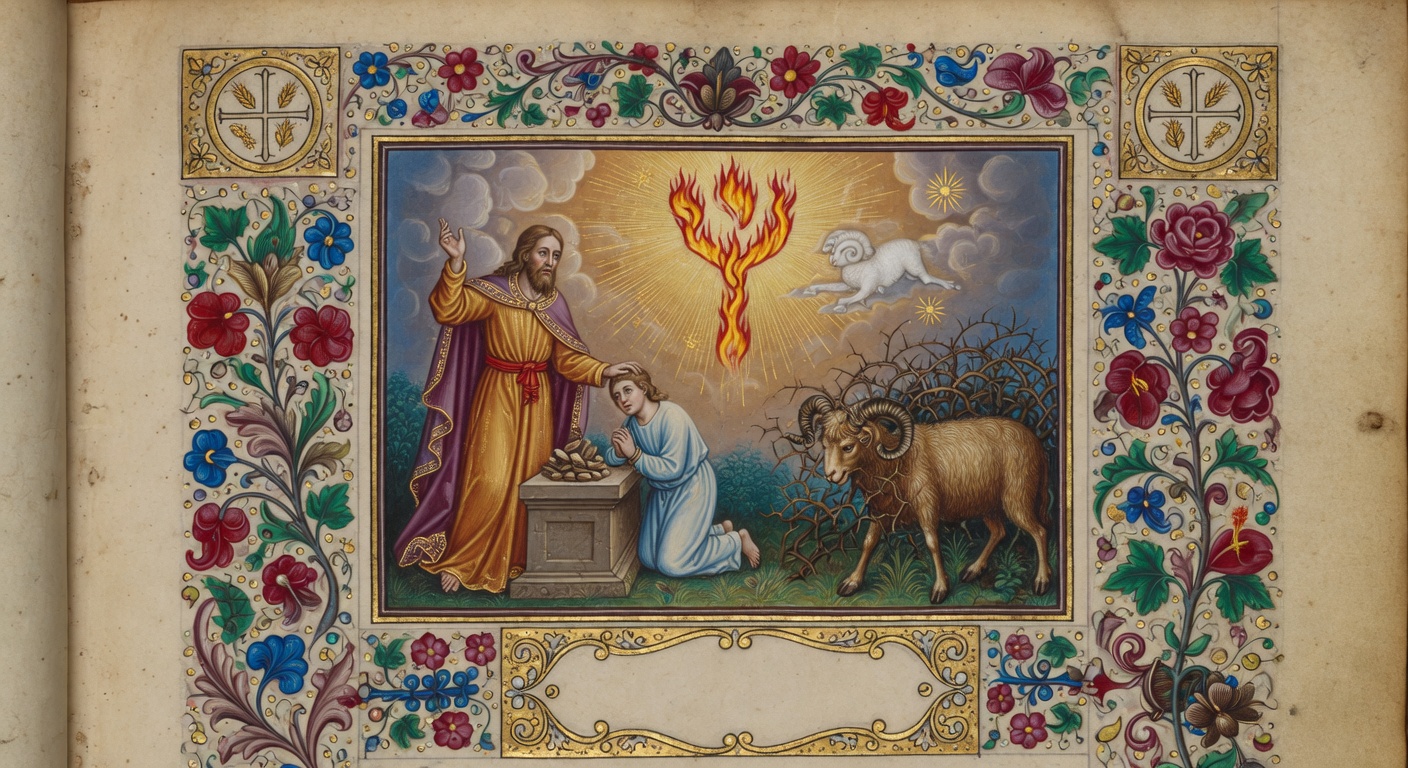
Jehovah-Jireh (יְהוָה יִרְאֶה) means 'The LORD Will Provide,' named by Abraham in Genesis 22:14 after God provided a ram as substitute for Isaac. The Hebrew 'jireh' comes from 'ra'ah,' meaning 'to see' or 'to provide.' This name reveals God as the ultimate provider who meets His people's deepest needs at the right moment, foreshadowing His greatest provision: His own Son as sacrifice.
-
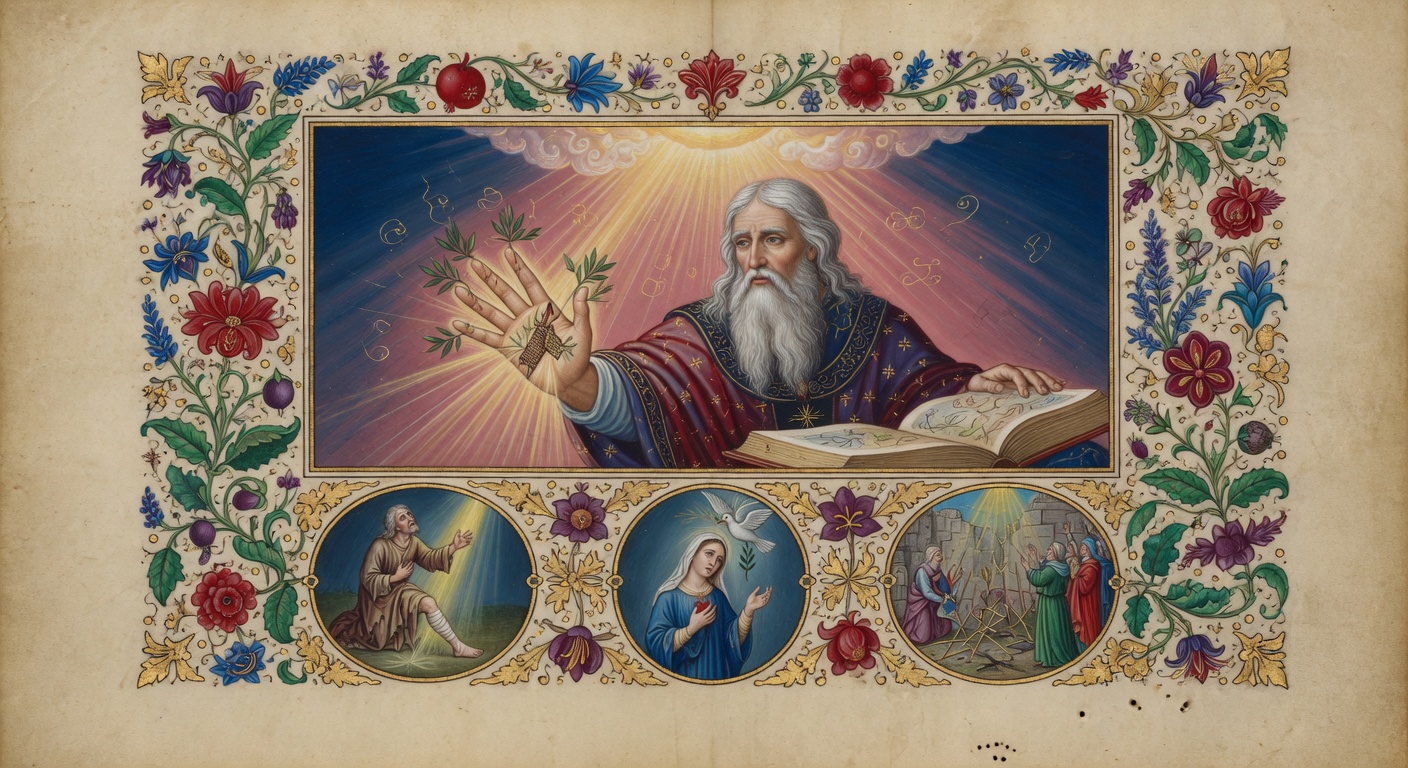
Jehovah-Rapha
The LORD Who Heals
Jehovah-Rapha (יְהוָה רָפָא) means 'The LORD Who Heals,' first revealed in Exodus 15:26 at the waters of Marah. The Hebrew 'rapha' means to mend, cure, or restore to wholeness - encompassing physical, emotional, and spiritual healing. This name reveals God as the divine physician who restores broken bodies, wounded hearts, and sin-sick souls through His compassion and power.
-
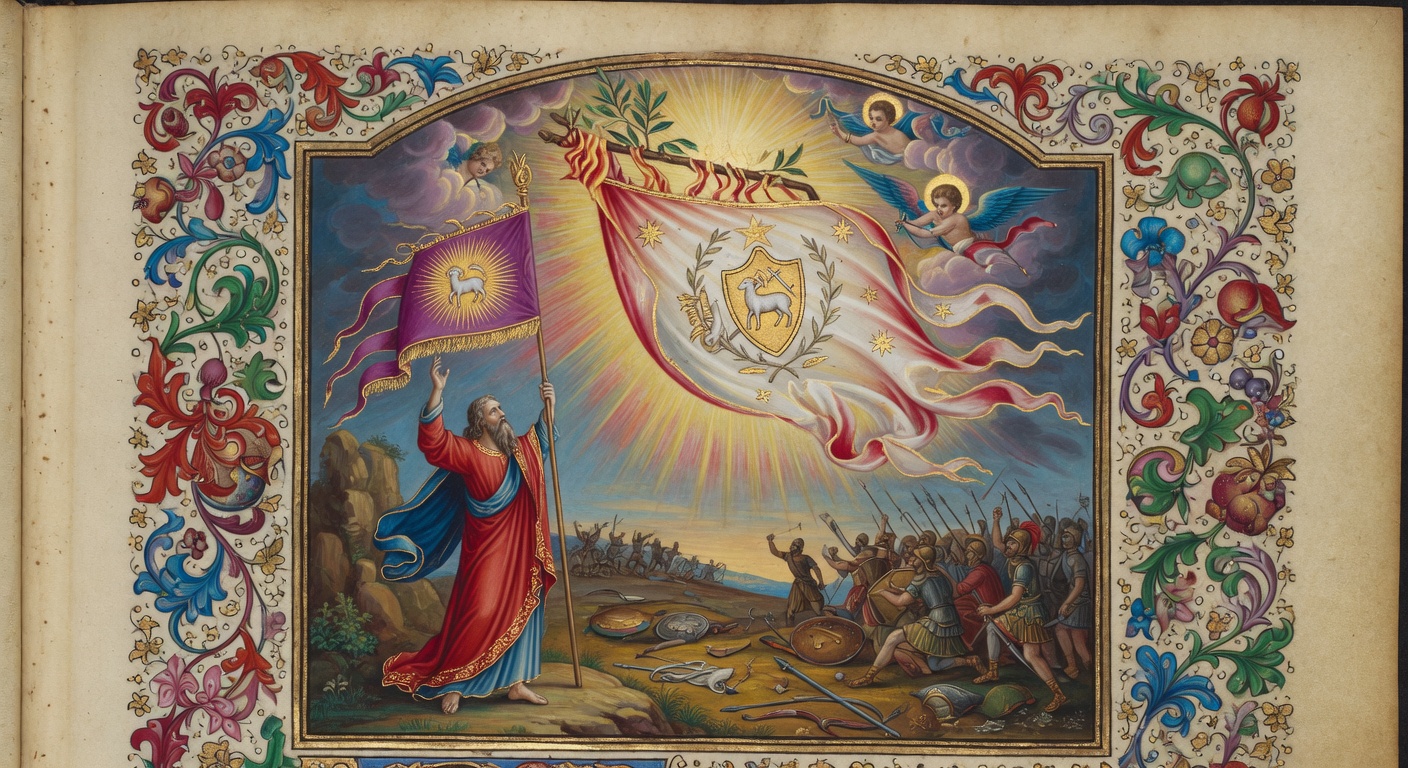
Jehovah-Nissi
The LORD Is My Banner
Jehovah-Nissi (יְהוָה נִסִּי) means 'The LORD Is My Banner,' named by Moses in Exodus 17:15 after Israel's victory over Amalek. The Hebrew 'nes' refers to a banner raised to rally troops and signal victory. As long as Moses held up his hands, Israel prevailed. This name reveals God as the rallying point and source of victory in every spiritual battle His people face.
-
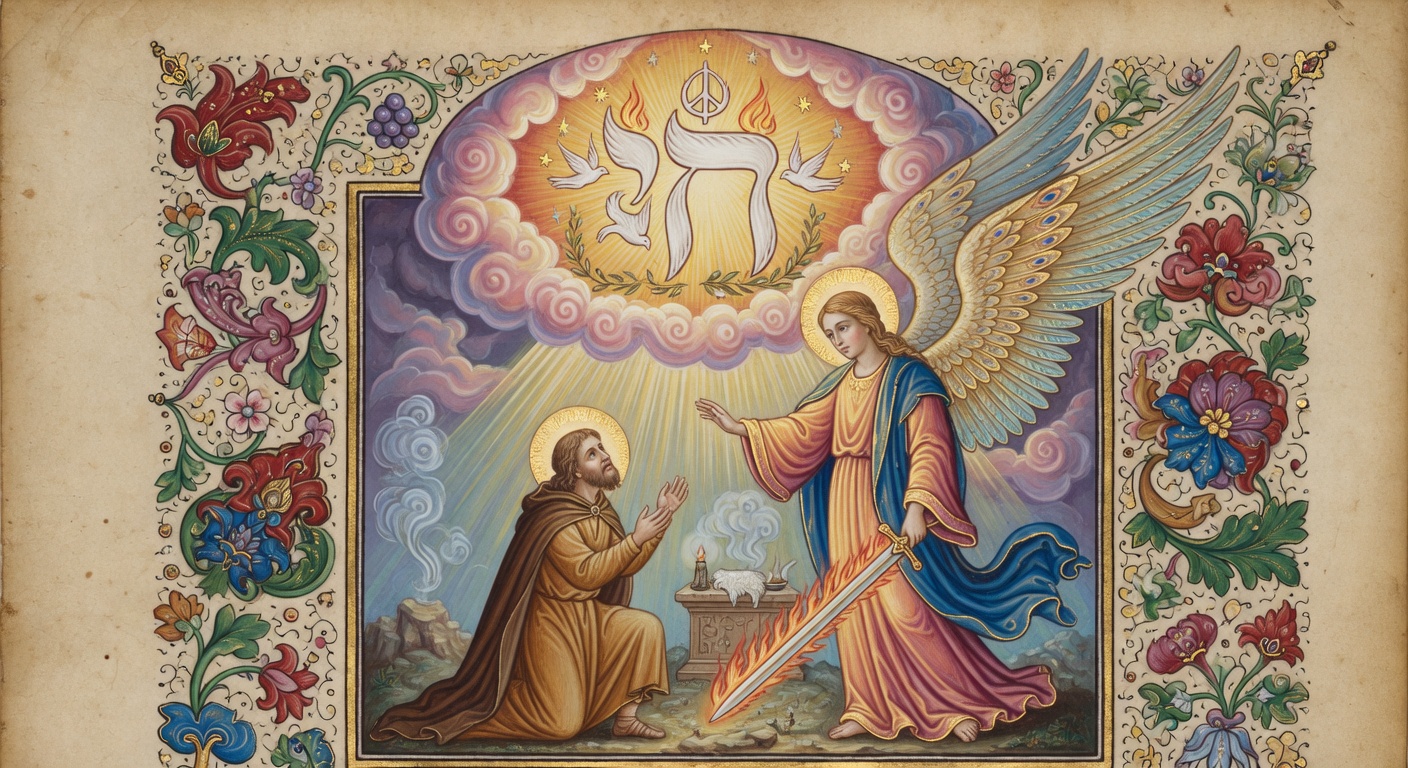
Jehovah-Shalom
The LORD Is Peace
Jehovah-Shalom (יְהוָה שָׁלוֹם) means 'The LORD Is Peace,' named by Gideon in Judges 6:24 after the Angel of the LORD assured him he would not die. The Hebrew 'shalom' encompasses wholeness, completeness, and well-being beyond mere absence of conflict. This name reveals that God Himself is the source of true peace, calming fearful hearts and restoring wholeness to broken lives.
-
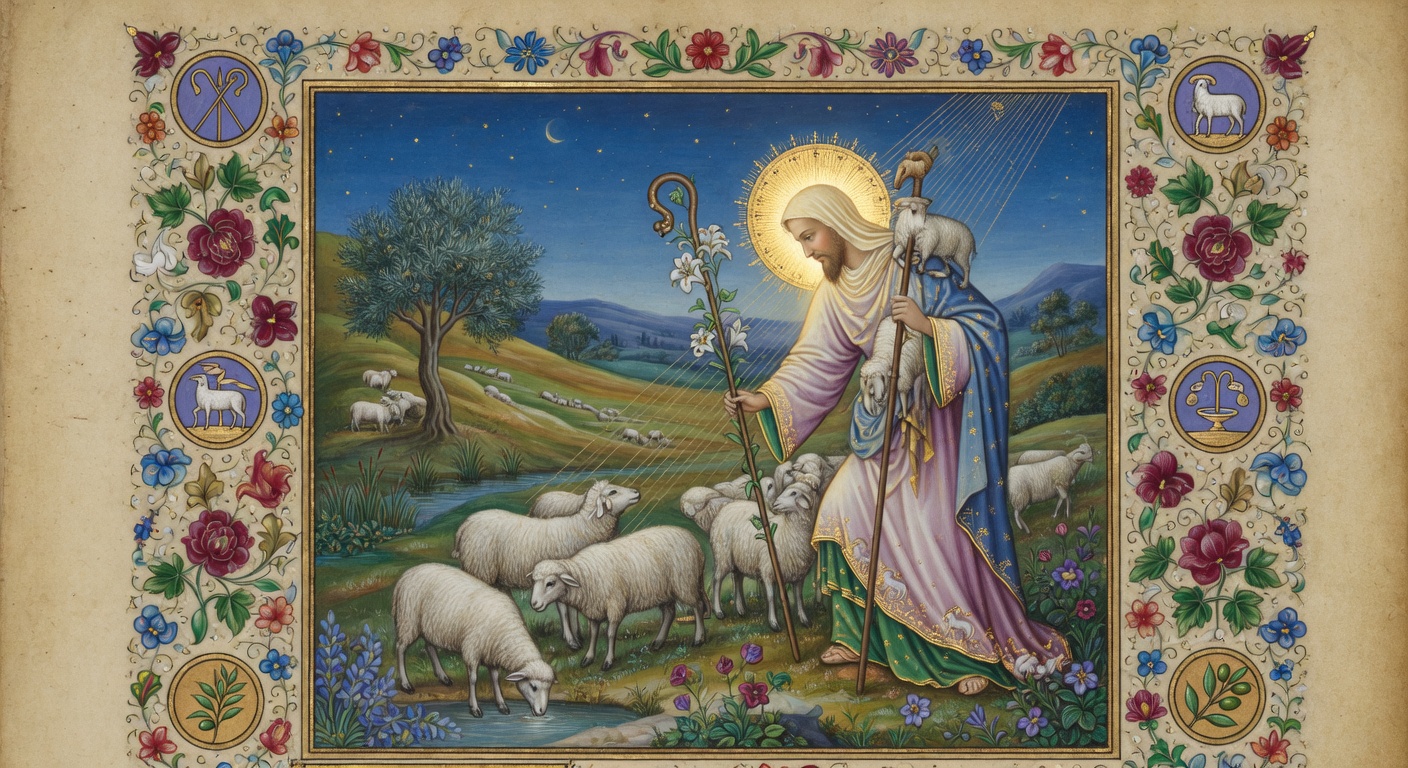
Jehovah-Rohi
The LORD Is My Shepherd
Jehovah-Rohi (יְהוָה רֹעִי) means 'The LORD Is My Shepherd,' expressed by David in Psalm 23:1. The Hebrew 'rohi' comes from 'ra'ah,' meaning to tend and pasture a flock with personal attention. This name reveals God's intimate care for each believer - guiding through dark valleys, providing rest in green pastures, protecting from predators, and restoring weary souls with tender attention.
-
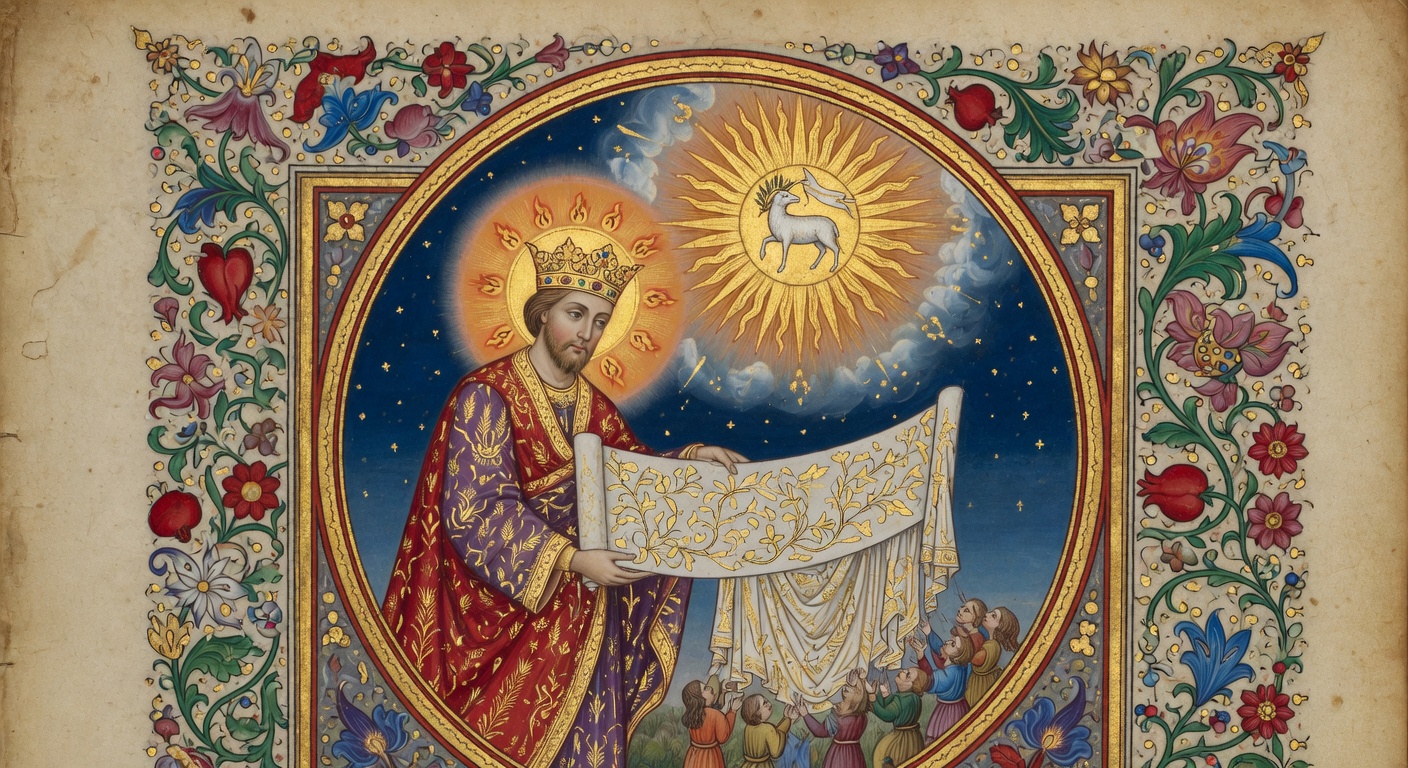
Jehovah-Tsidkenu
The LORD Our Righteousness
Jehovah-Tsidkenu (יְהוָה צִדְקֵנוּ) means 'The LORD Our Righteousness,' a messianic title in Jeremiah 23:6 for the coming righteous Branch from David's line. The Hebrew 'tsedek' means righteousness or perfect moral alignment. This name reveals that true righteousness cannot be achieved by human effort but must be provided by God Himself, pointing to Christ who became our righteousness.
-
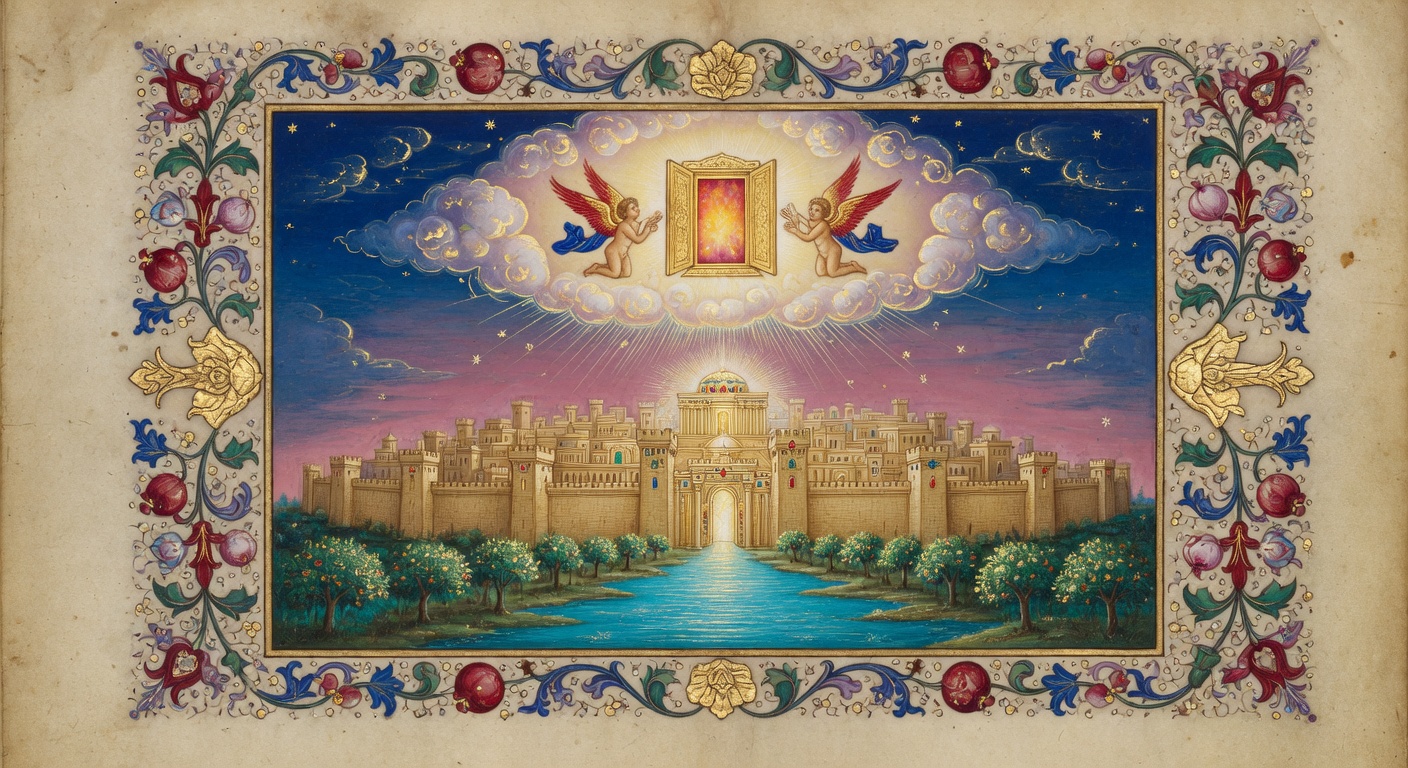
Jehovah-Shammah
The LORD Is There
Jehovah-Shammah (יְהוָה שָׁמָּה) means 'The LORD Is There,' the name of the restored city in Ezekiel 48:35. As the final word of Ezekiel's prophecy, it declares that God's permanent, abiding presence is the defining feature of His people's eternal home. This name reveals God's deepest desire: to dwell among His people forever, pointing forward to Revelation 21's new creation.
-
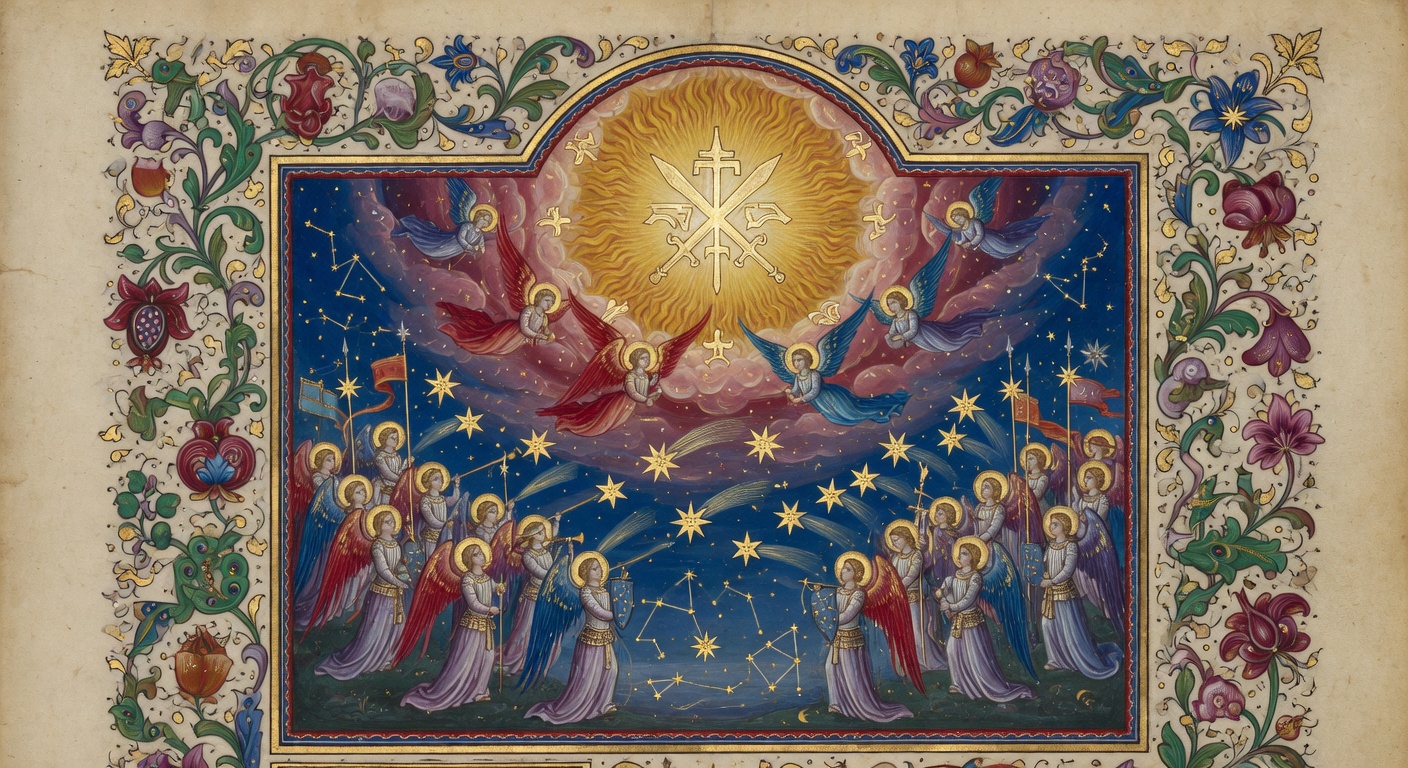
Jehovah-Sabaoth
The LORD of Hosts (Armies)
Jehovah-Sabaoth (יְהוָה צְבָאוֹת) means 'The LORD of Hosts,' first appearing in 1 Samuel 1:3. The Hebrew 'tsaba' refers to an organized army - encompassing angelic armies and the stars of heaven under God's command. David invoked this name against Goliath. It reveals God as supreme commander of all heavenly forces, assuring believers that infinite power stands behind them in every battle.
-
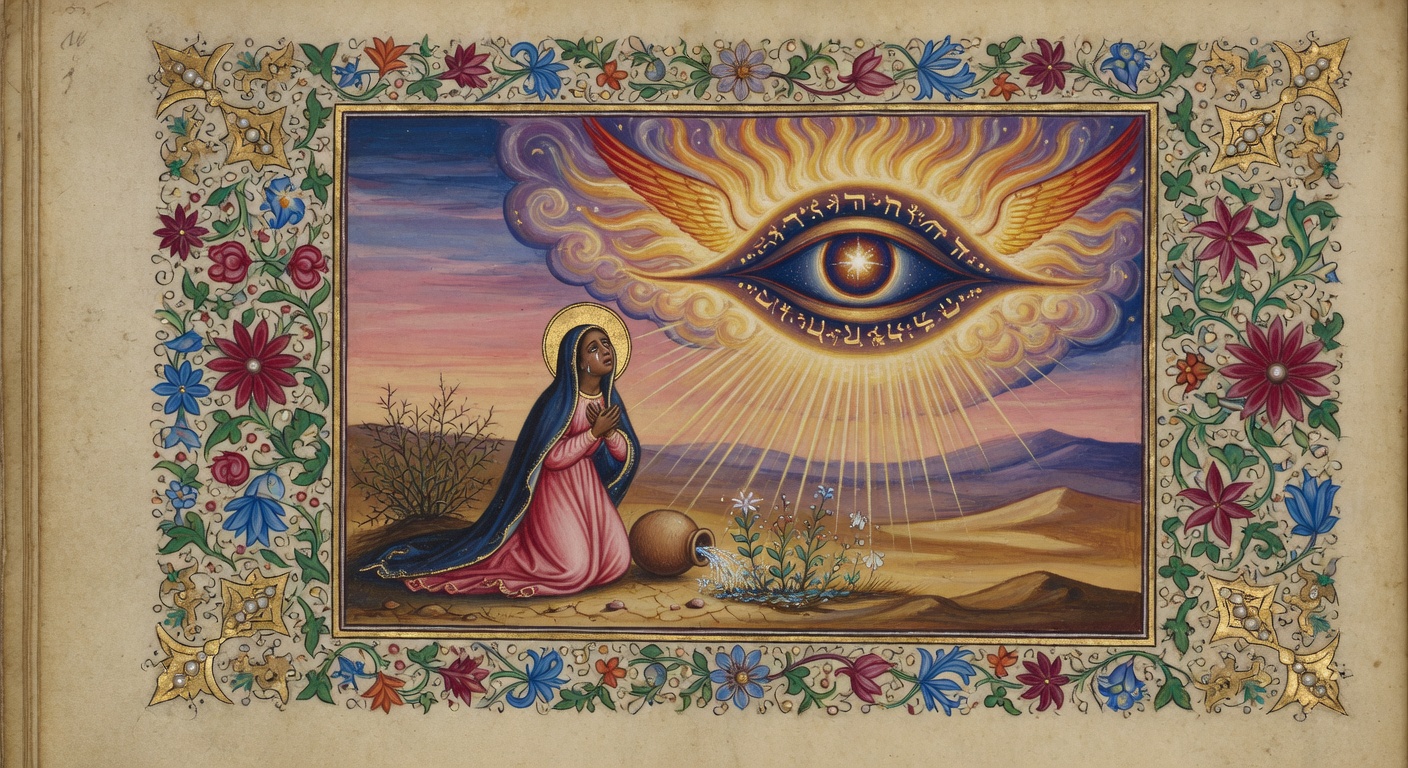
El Roi
The God Who Sees
El Roi (אֵל רֳאִי) means 'The God Who Sees,' named by Hagar in Genesis 16:13 when she fled into the wilderness from Sarah's mistreatment. Alone and desperate, she was found by the Angel of the LORD and responded: 'You are the God who sees me.' This name reveals that God notices the overlooked and suffering - no one is invisible to Him, even in their most desolate moments.
-
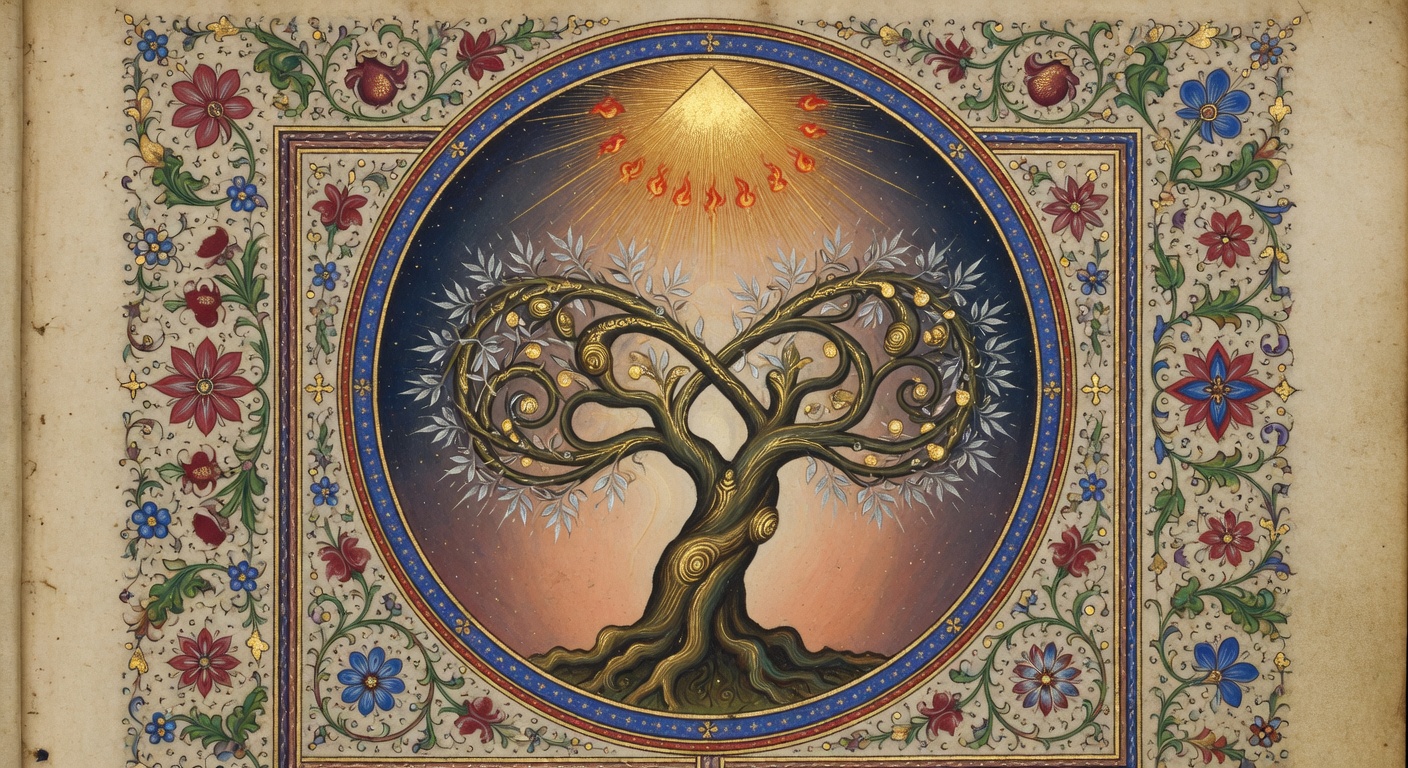
El Olam
The Everlasting God
El Olam (אֵל עוֹלָם) means 'The Everlasting God,' first used in Genesis 21:33 when Abraham called on the LORD at Beersheba. The Hebrew 'olam' signifies time beyond comprehension - without beginning or end. Isaiah 40:28 declares this God does not grow weary. This name reveals God's eternal, unchanging nature, offering permanent security to those who trust in the One who transcends all time.
-
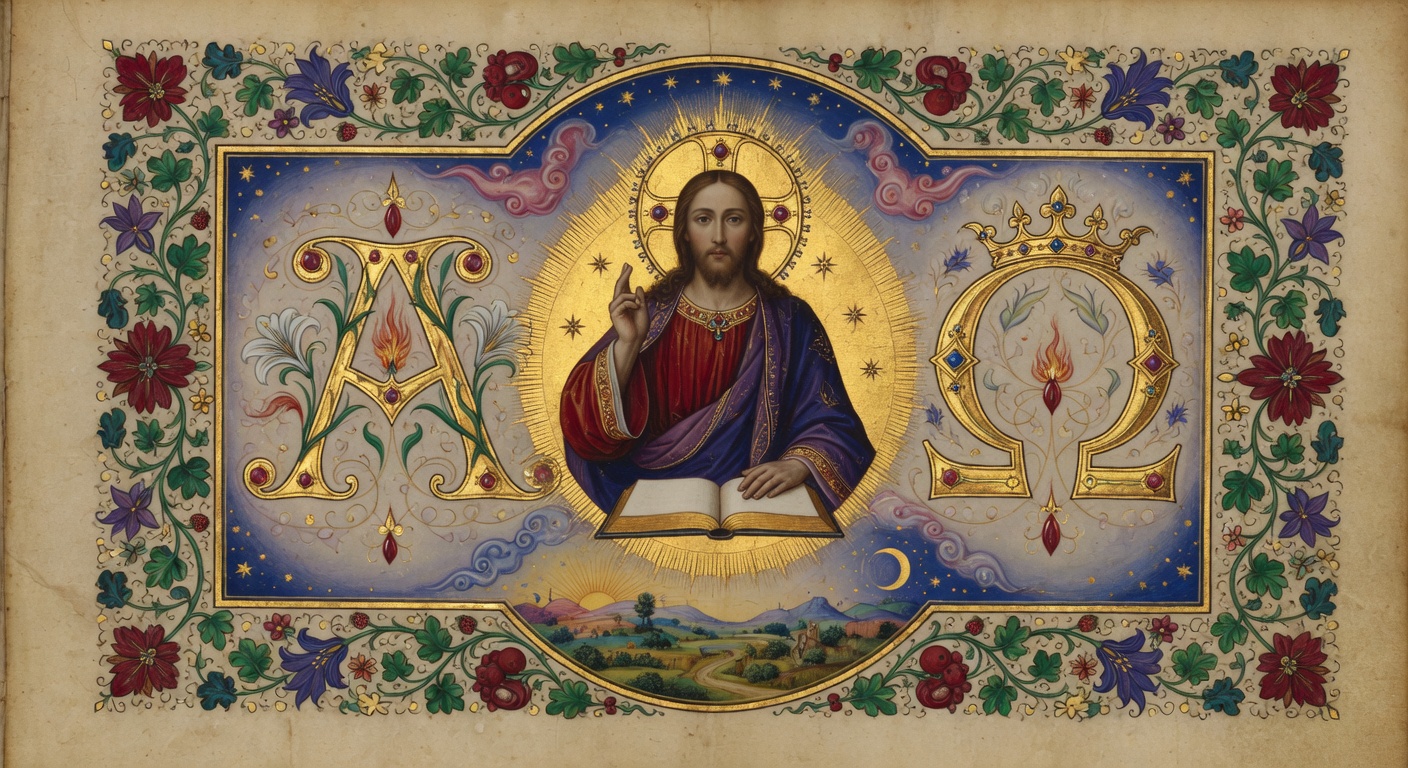
Alpha and Omega
The Beginning and the End
Alpha and Omega (Ἄλφα καὶ Ὦ) are the first and last letters of the Greek alphabet, used by Christ in Revelation 1:8 to declare Himself 'the Beginning and the End.' This New Testament title reveals Jesus' full deity and eternal sovereignty - He existed before creation and will reign beyond its end. It assures believers that the One who started their story will faithfully complete it.
-
Immanuel
God With Us
Immanuel (עִמָּנוּאֵל) means 'God With Us,' first given in Isaiah 7:14 as a sign that a virgin would bear a son. The Hebrew combines 'immanu' (with us) and 'El' (God), expressing the truth that the transcendent Creator would dwell among His people. Matthew 1:22-23 identifies Jesus' birth as fulfillment. This name reveals the incarnation - God entered human experience to reconcile us to Himself.
-
El Gibor
Mighty God, God the Hero
El Gibor (אֵל גִּבּוֹר) means 'Mighty God,' a messianic title in Isaiah 9:6 among the names of the promised child: Wonderful Counselor, Mighty God, Everlasting Father, Prince of Peace. The Hebrew 'gibbor' describes a warrior champion of extraordinary strength. Applied to the Messiah, it declares Jesus is God Himself in warrior strength, with power to conquer sin, death, and every enemy.
-
Jehovah-Mekoddishkem
The LORD Who Sanctifies You
Jehovah-Mekoddishkem (יְהוָה מְקַדִּשְׁכֶם) means 'The LORD Who Sanctifies You,' first revealed in Exodus 31:13 when God commanded Sabbath-keeping as a sign that He makes Israel holy. The Hebrew 'qadash' means to set apart or consecrate for sacred purpose. This name reveals that sanctification is God's work - He sets His people apart, purifies them, and makes them fit for His presence.
-
Abba, Father
Daddy, Papa - intimate Father
Abba, Father (Ἀββᾶ ὁ Πατήρ) combines the Aramaic 'Abba' - an intimate term like 'Daddy' - with the Greek 'Pater.' It first appears in Mark 14:36 when Jesus prayed in Gethsemane. Paul teaches in Romans 8:15 that believers receive the Spirit of adoption enabling them to cry 'Abba, Father.' This name reveals the intimate relationship available to God's children - the same trust Jesus has with the Father.
-

I AM THAT I AM
The self-existent One; the eternal, unchanging God
When Moses asked for God's name at the burning bush, God answered 'I AM THAT I AM' (Ehyeh Asher Ehyeh) - a name declaring his self-existence, eternity, and utter independence from anything outside himself. It is the root of the personal name Yahweh (LORD) and the foundational self-revelation of God's character in all of Scripture, affirming that he simply is, without beginning or dependence on any other being. Jesus later applied this same name to himself - 'before Abraham was, I am' - a claim his hearers understood as nothing less than an assertion of deity.
-

Ancient of Days
God's eternal, timeless majesty as sovereign judge
In Daniel's vision of the heavenly throne room, God appears as 'the Ancient of Days' - clothed in garments white as snow, his throne like fiery flames, presiding over the judgment of the nations and the kingdoms of this world. The title emphasizes God's eternity and unassailable authority as the one before whom every earthly power must ultimately answer, seated before the countless thousands who minister to him and the books that are opened. It is to this same Ancient of Days that 'one like the Son of man' is brought and given an everlasting dominion - a scene the New Testament identifies with Christ's own authority.