The Fatted Calf and the Golden Calf

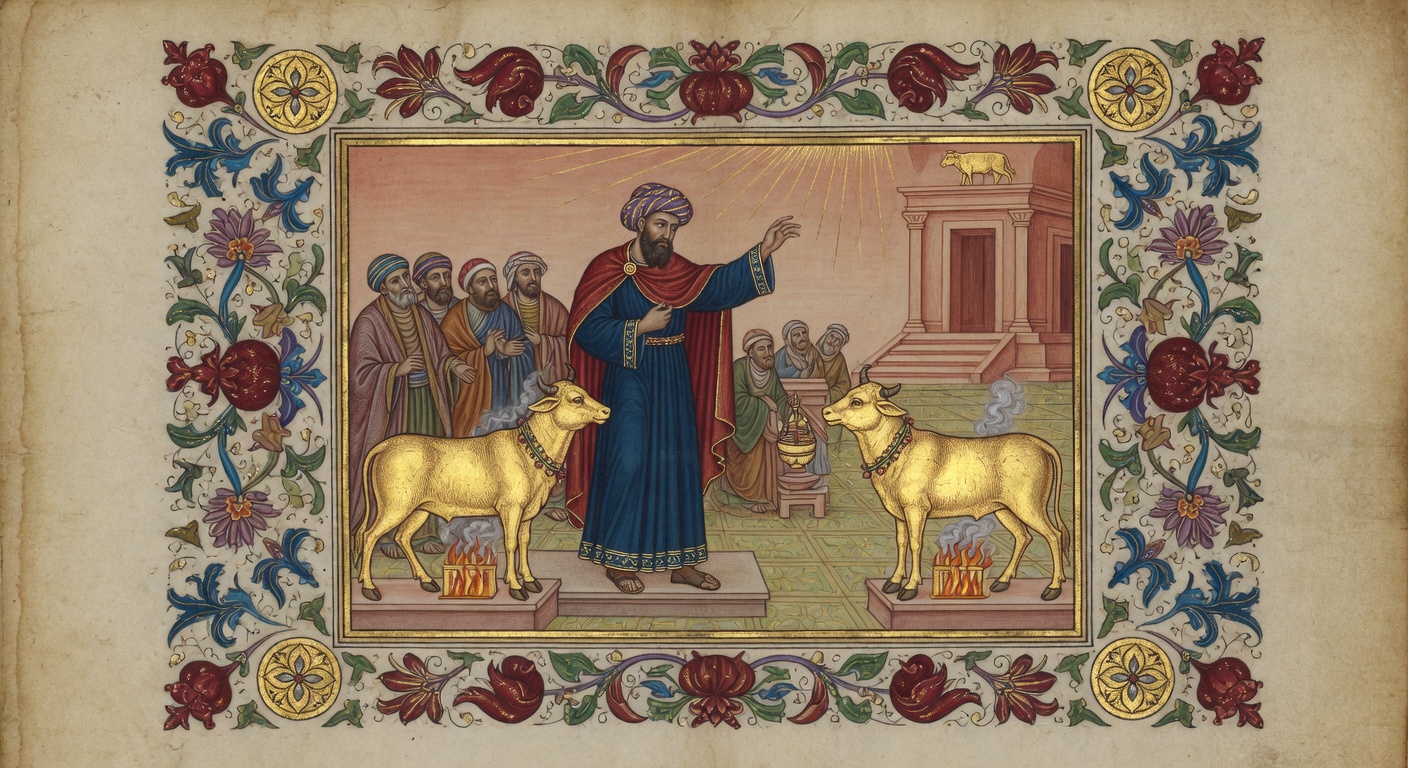
Two calves stand at opposite ends of the Bible's story of sin and grace. At Sinai, while Moses was on the mountain, Aaron fashioned 'a molten calf' from the people's gold, and they said, 'These be thy gods, O Israel' - an image of a young bull worshipped in place of the living God. Centuries later Jesus told of a father who, when his lost son came home, said, 'bring hither the fatted calf, and kill it; and let us eat, and be merry.' A calf fattened for a feast was the finest meal a household could offer, as when Abraham served one to his visitors at Mamre. One calf provoked God's anger; the other celebrated a sinner's return.
Key Passages
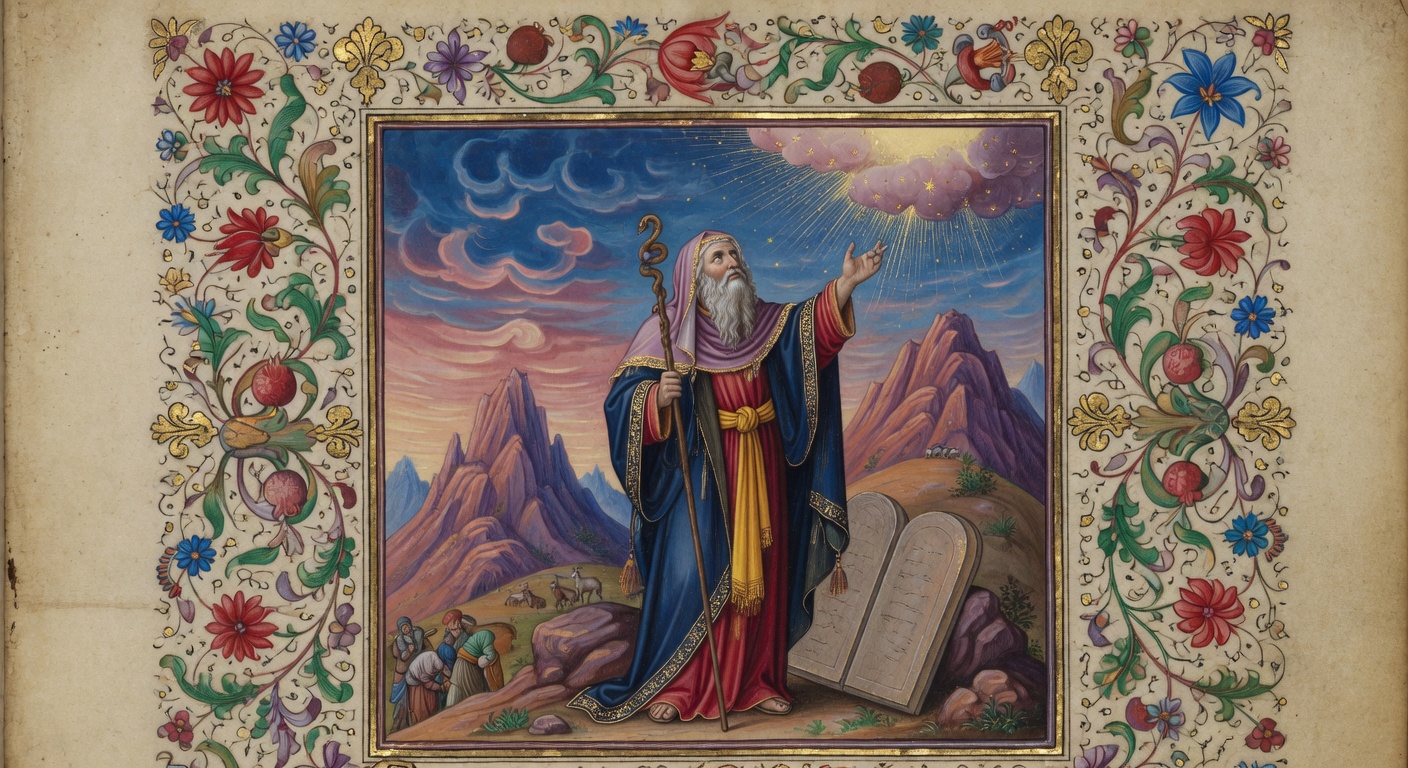
The Golden Calf
Exodus 32:1-4
Impatient for Moses, Israel turns to an idol made with their own hands and credits it with their rescue from Egypt.
 1nd when the people saw that Moses delayed to come down out of the mount, the people gathered themselves together unto Aaron, and said unto him, Up, make us gods, which shall go before us; for as for this Moses, the man that brought us up out of the land of Egypt, we wot not what is become of him.
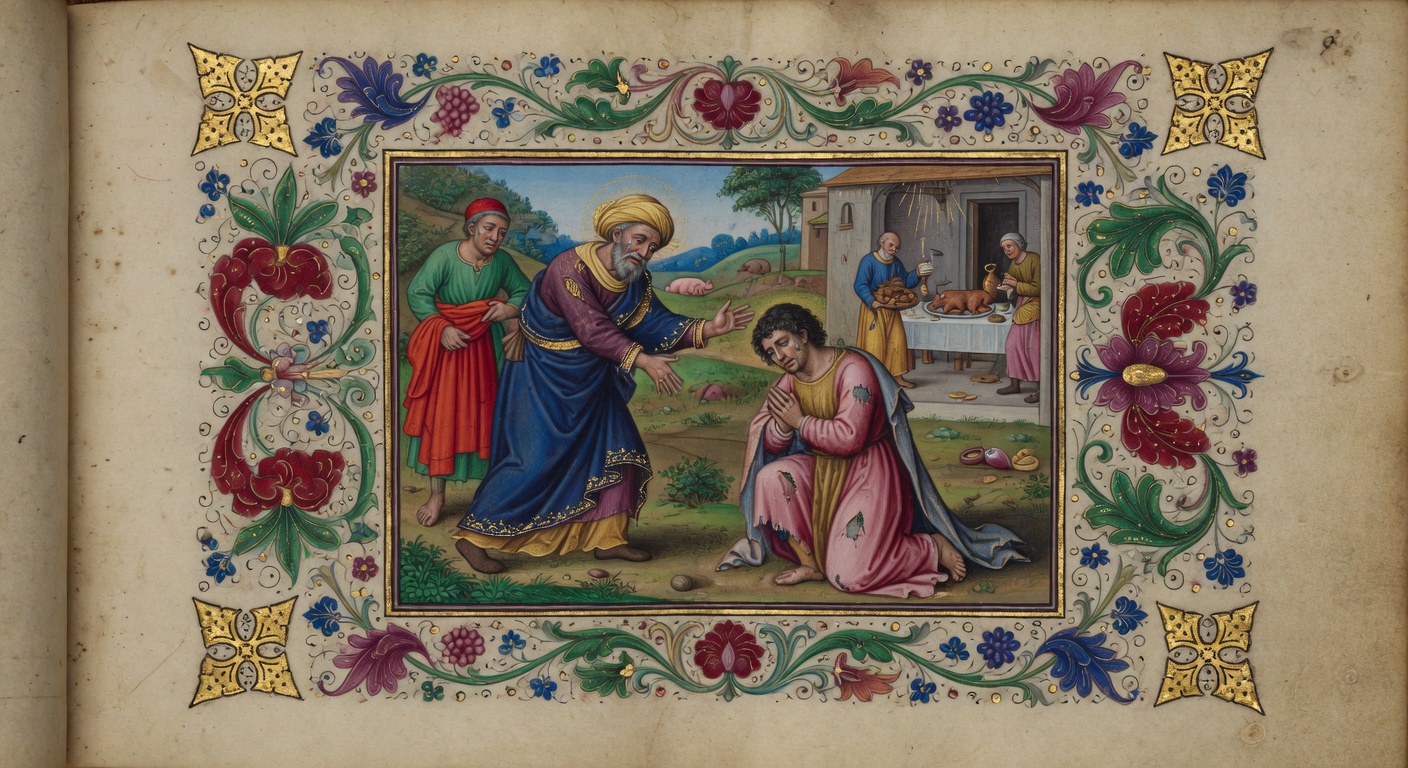
Bring Hither the Fatted Calf
Luke 15:20-24
The father runs to meet his returning son and throws a feast, a picture of God's joy over one sinner who repents.
20nd he arose, and came to his father. But when he was yet a great way off, his father saw him, and had compassion, and ran, and fell on his neck, and kissed him.
Explore Related


Did You Know?
Aaron made the golden calf from the people's gold earrings.
Jeroboam later set up two golden calves, one at Bethel and one at Dan.
Abraham served 'a calf tender and good' to his three visitors at Mamre.
In the parable, the older brother complained that he had never been given even a young goat for a feast.