Mary of Bethany
Ask about Mary of Bethany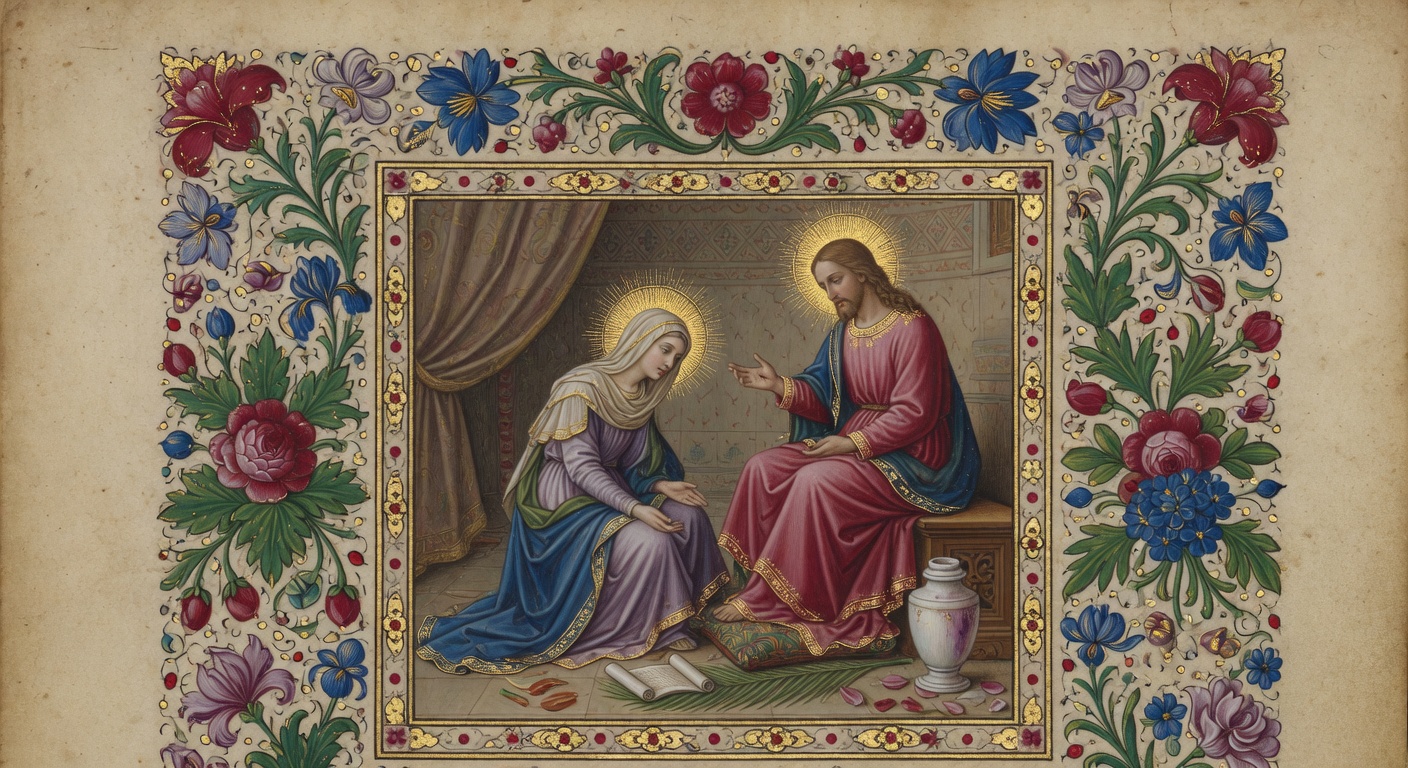
Mary of Bethany was the sister of Martha and Lazarus who lived in the village near Jerusalem. In Luke’s Gospel she sat at Jesus’ feet to listen to his teaching instead of helping with household duties, and Jesus defended her choice as the one thing needed that would not be taken from her. In John’s account she later anointed his feet with expensive nard perfume and wiped them with her hair days before the crucifixion; Jesus accepted the act as preparation for his burial and a sign of deep devotion. These episodes illustrate the biblical emphasis on attentive discipleship and sacrificial worship over mere activity or material concern.
Biography
- Era
- New Testament (c. AD 30)
- Nationality
- Jewish
Did You Know?
In first-century Jewish culture, Mary's decision to sit at Jesus' feet in the posture of a formal disciple was highly unconventional for women, who were typically excluded from such rabbinic instruction, yet Jesus explicitly affirmed her choice over Martha's domestic service.
The nard Mary used to anoint Jesus was sourced from the high Himalayas in India, requiring long-distance trade routes, and its half-liter quantity represented a sum equivalent to 300 denarii. Nearly a full year's wages for a laborer. Poured out in a single act at Simon the Leper's house.
John's Gospel places the anointing six days before Passover in Bethany, where Mary wiped Jesus' feet with her unbound hair, an intimate gesture normally reserved for servants or expressions of deep penitence, filling the house with fragrance as a prophetic sign of his burial.
Mary appears in the biblical text only in contexts of learning and devotion, never speaking a single recorded word, yet her actions are memorialized by Jesus himself as something to be recounted wherever the gospel is preached, underscoring her silent but pivotal role.
When Jesus delayed his arrival after Lazarus's death, Mary remained at home while Martha went out to meet him, but upon Jesus' summons she repeated the same foot posture seen in Luke 10, demonstrating consistent physical expressions of both study and grief across the accounts.
Key Chapters
Key Passages
Mary Sits at Jesus' Feet
Luke 10:38-42
This passage shows that choosing to listen closely to Jesus brings lasting peace amid life's many demands.
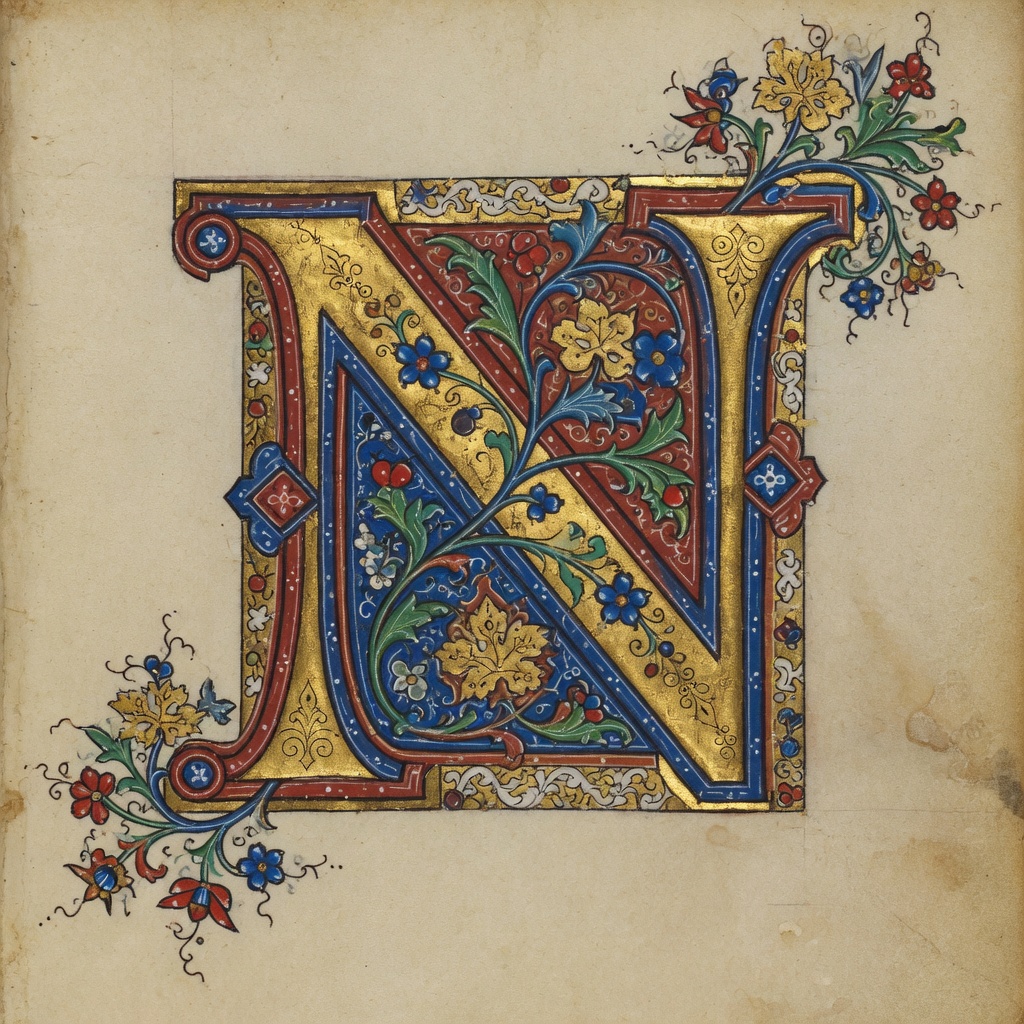 38ow it came to pass, as they went, that he entered into a certain village: and a certain woman named Martha received him into her house.
Mary Anoints Jesus
John 12:1-8
This passage shows how extravagant, humble love for Jesus honors his coming sacrifice above all else.
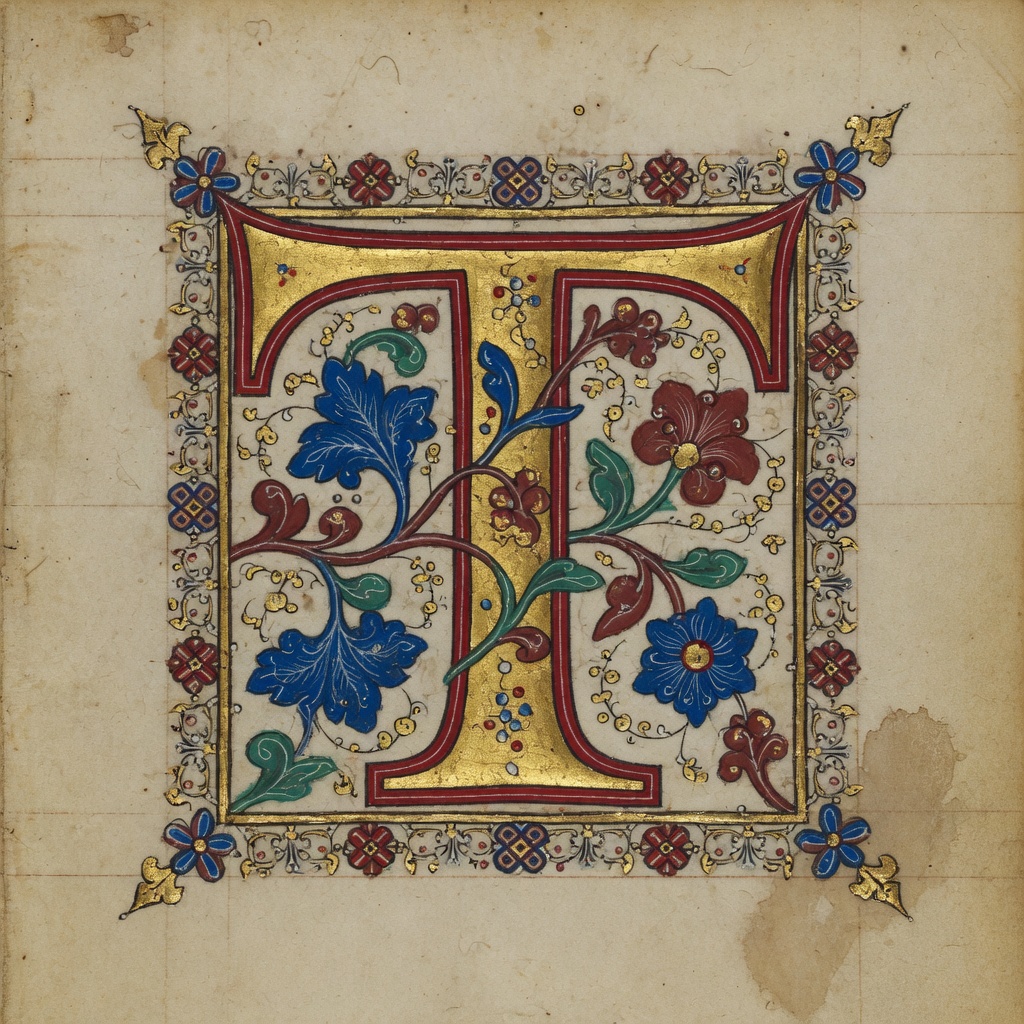 1hen Jesus six days before the passover came to Bethany, where Lazarus was, which had been dead, whom he raised from the dead.