The Sabbath
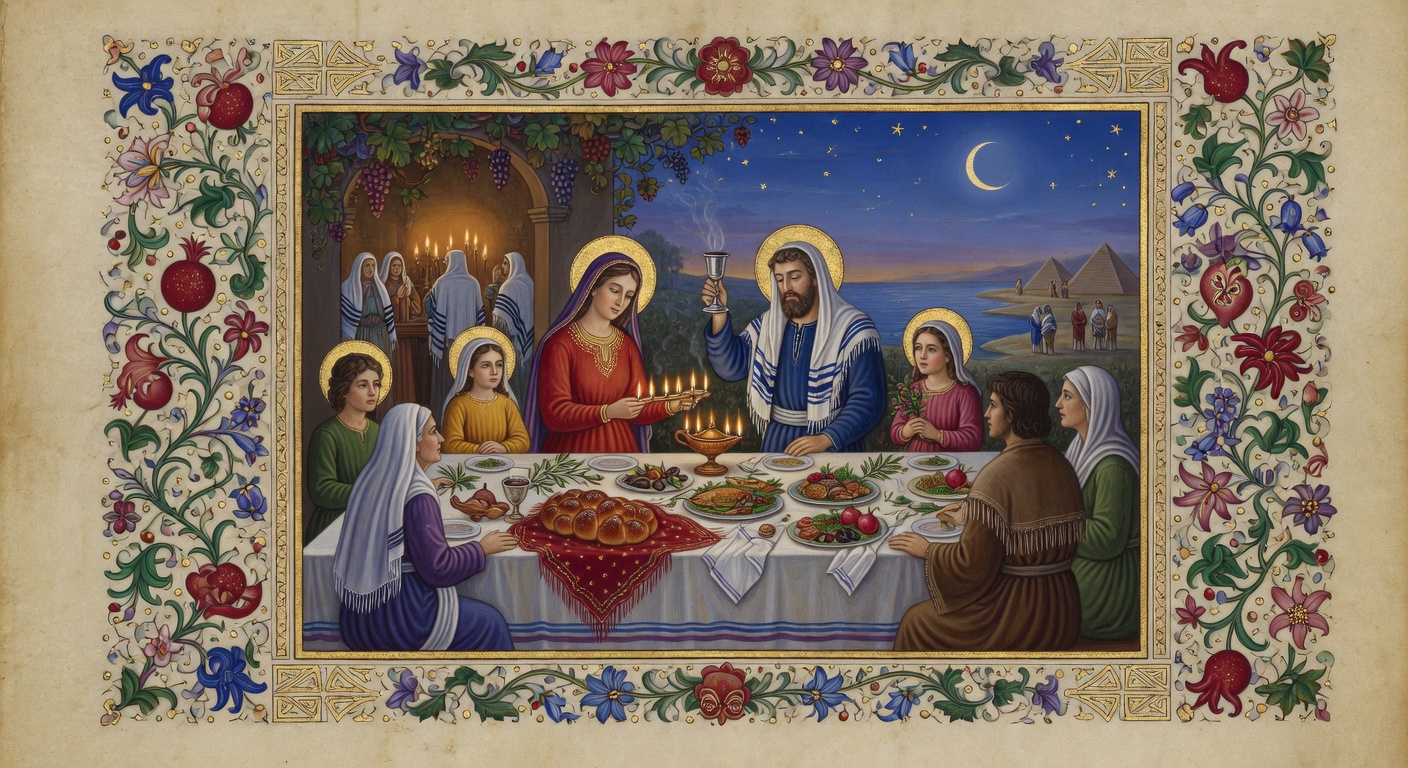
God worked six days and rested on the seventh - then commanded his people to do the same. The Sabbath is not just a day off; it's a weekly declaration that God, not work, sustains us.
The Sabbath was established by God at the conclusion of the six days of Creation, when He rested on the seventh day and blessed it as a day of rest. This weekly observance serves as a perpetual sign of the covenant between God and Israel, reminding the people of both God's creative work and His deliverance of them from slavery in Egypt. In Scripture, the Sabbath is enshrined in the Ten Commandments as a day to be kept holy, underscoring its importance in maintaining the relationship between God and His people through regular worship and cessation from labor.
Details
- Category
- Weekly
- Hebrew Name
- Shabbat
- Timing
- Every seventh day (Saturday)
- Calendar
- Weekly, 7th day
- Season
- Weekly
- Observance
- Complete cessation from work, holy assembly, additional sacrifices in the temple.
Significance
God rested on the seventh day, establishing a pattern of work and rest. Points to the eternal rest believers have in Christ.
New Testament Fulfillment
Jesus declared Himself Lord of the Sabbath. Believers enter God's rest through faith (Hebrews 4).
Key Chapters
Key Passages
Sabbath Instituted
Genesis 2:2-3
This passage shows God's loving design for rhythmic rest, inviting us to pause and delight in His completed work.
 2nd on the seventh day God ended his work which he had made; and he rested on the seventh day from all his work which he had made.
Fourth Commandment
Exodus 20:8-11
This commandment invites us to embrace God’s rhythm of rest, renewing our souls and deepening trust in His provision.
 8emember the sabbath day, to keep it holy.
Lord of the Sabbath
Mark 2:27-28
This passage shows Jesus as Lord of the Sabbath, freeing us to receive God's gift of rest as a blessing rather than a burden.
27nd he said unto them, The sabbath was made for man, and not man for the sabbath:
Sabbath Rest in Christ
Hebrews 4:9-11
In Christ we discover the true Sabbath rest God intends, inviting us to cease striving and trust His finished work.
 9here remaineth therefore a rest to the people of God.
Did You Know?
The Sabbath is the only feast day included in the Ten Commandments.
Jews have observed the weekly Sabbath continuously for over 3,400 years.
Jesus said 'The Sabbath was made for man, not man for the Sabbath'. It's a gift, not a burden.
The Sabbath begins at sunset Friday and ends at sunset Saturday in Jewish practice.