Garden of Eden
Ask about Garden of Eden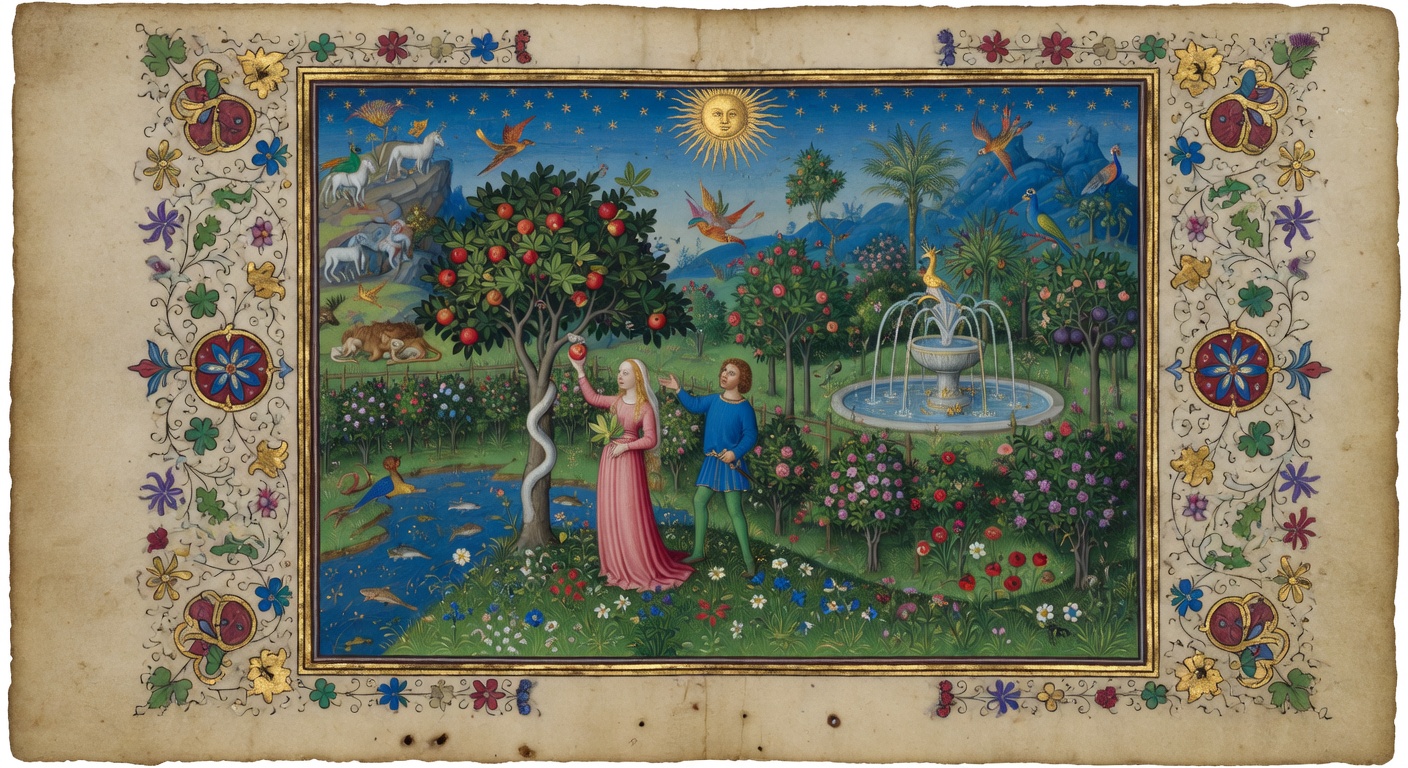
The Garden of Eden was the paradise created by God as the original home for Adam and Eve, the first humans, according to the book of Genesis. In this idyllic setting, they lived in perfect harmony with God and nature until they disobeyed His command by eating from the tree of the knowledge of good and evil, an event known as the Fall that introduced sin and death into the world. As a result, they were expelled from the garden, which symbolizes the loss of innocence and the broken relationship between humanity and God. This narrative holds significant importance in Scripture as it establishes foundational themes of creation, temptation, judgment, and the need for redemption that unfold throughout the Bible.
Details
- Region
- Mesopotamia
- Modern Location
- Location unknown - traditionally placed in Mesopotamia (Iraq) near the Tigris and Euphrates rivers, but the pre-Flood geography may have been entirely different.
Key Passages
Creation of Eden
Genesis 2:8-14
God plants a paradise for humanity - a place of abundance, beauty, and unbroken fellowship with the Creator, establishing the ideal that all of Scripture seeks to restore.
 8nd the LORD God planted a garden eastward in Eden; and there he put the man whom he had formed.
Expulsion from Eden
Genesis 3:22-24
Sin breaks the divine-human relationship and humanity is exiled from paradise - yet God's provision of clothing hints at grace even in judgment.
22nd the LORD God said, Behold, the man is become as one of us, to know good and evil: and now, lest he put forth his hand, and take also of the tree of life, and eat, and live for ever:
Did You Know?
The exact location of Eden remains one of the greatest unsolved mysteries in biblical geography.
Two of the four rivers mentioned (Pishon and Gihon) have never been conclusively identified.
The Hebrew word 'Eden' means 'delight' or 'pleasure'.