Reeds

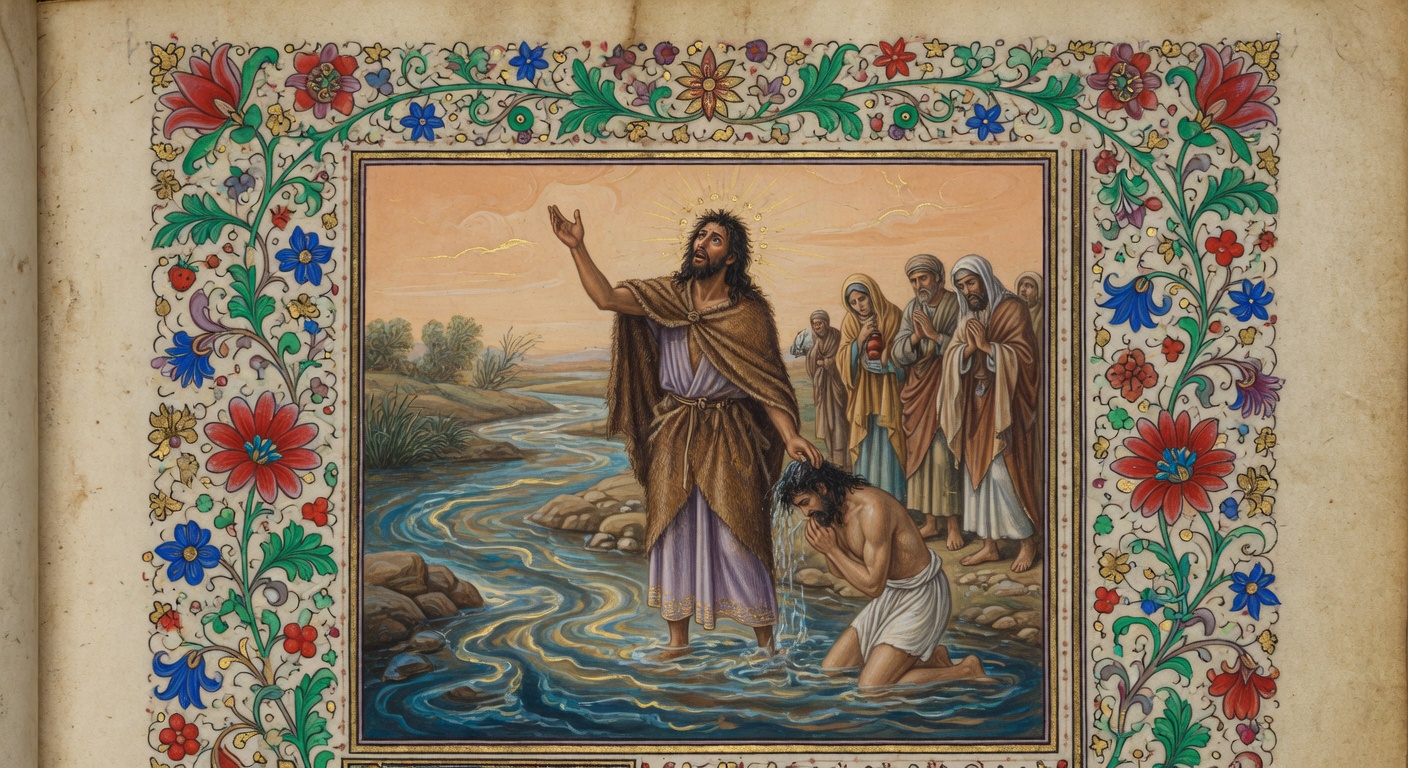
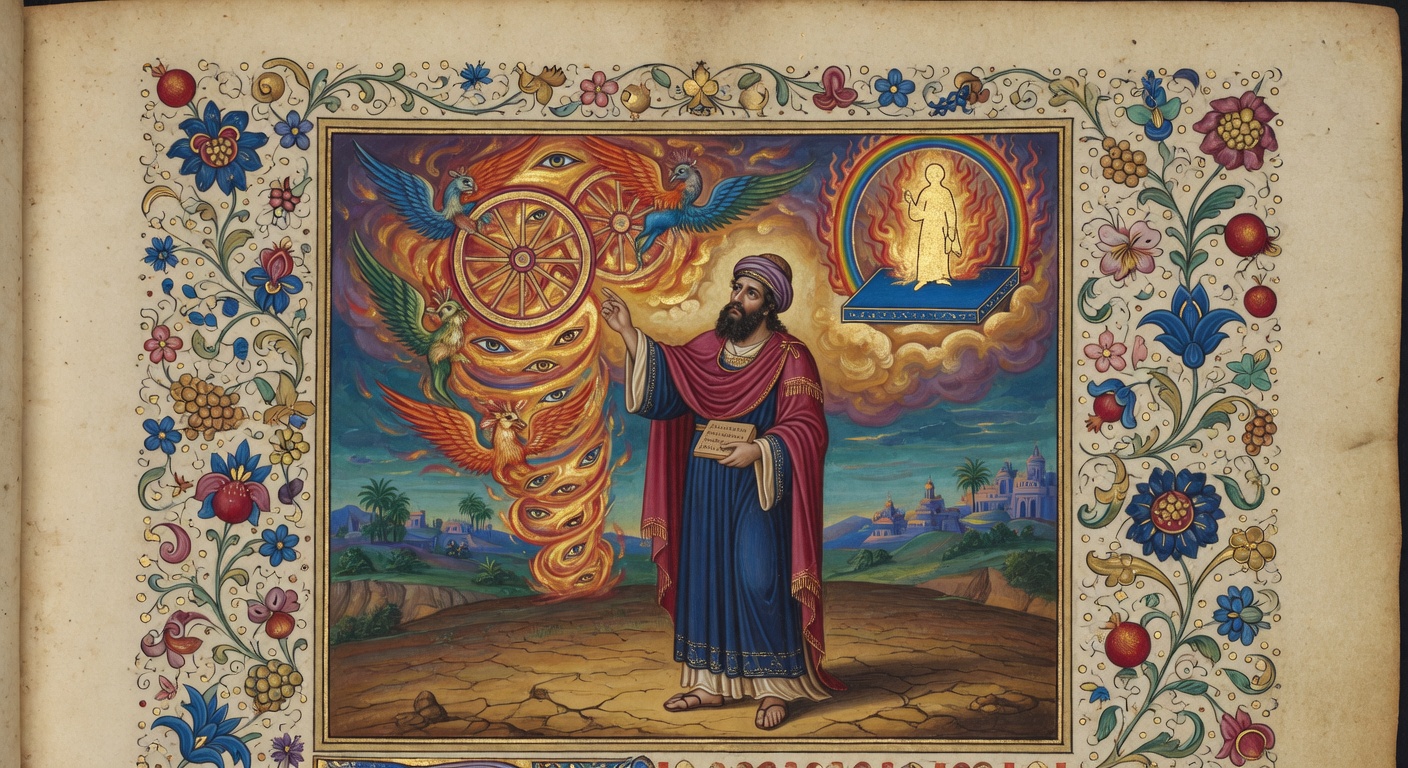
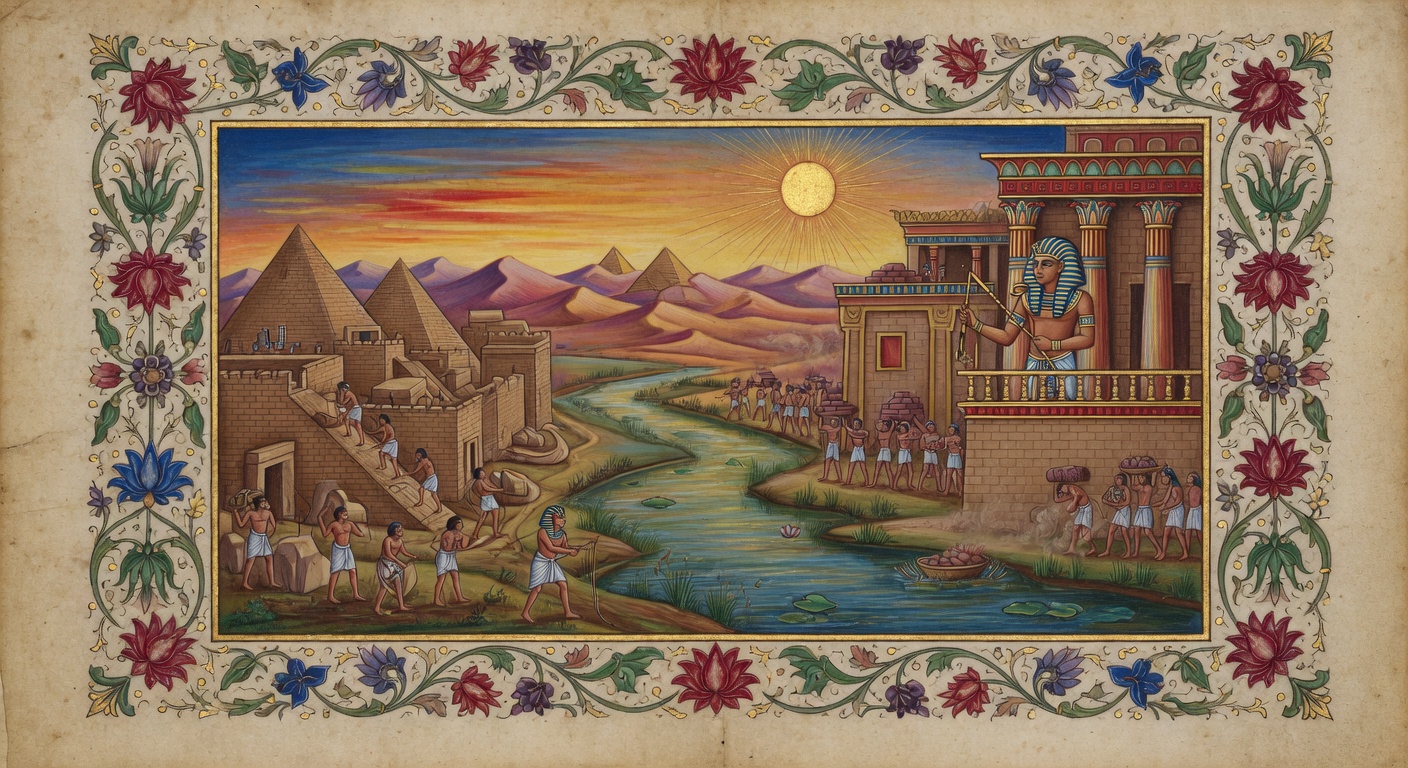
Reeds and rushes grew thick along the Nile and the Jordan, and baby Moses was laid in 'an ark of bulrushes' among the flags by the river's brink. Because reeds bend and snap so easily, they became pictures of weakness and unreliability: the Assyrian envoy mocked Egypt as 'the staff of this broken reed,' and Jesus asked whether the crowds had gone out to see John the Baptist as 'a reed shaken with the wind.' Isaiah promised that the Servant would not break 'a bruised reed.' At Jesus' trial the soldiers put a reed in his hand as a mock scepter and struck him on the head with it, and a measuring reed appears in the visions of Ezekiel and John.
Key Passages
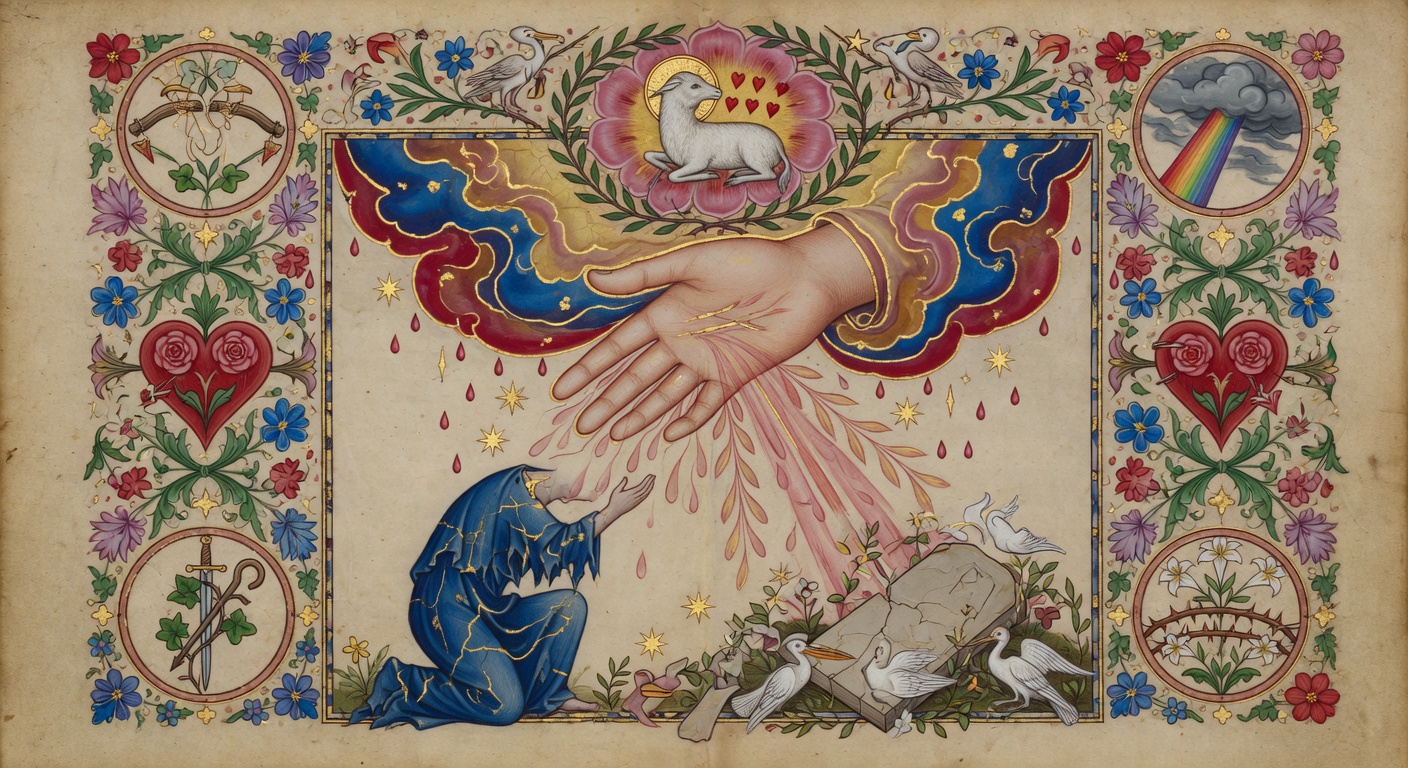
A Bruised Reed Shall He Not Break
Matthew 12:18-21
Matthew sees Jesus' quiet gentleness with the broken as the fulfilllment of Isaiah's Servant song.
 18ehold my servant, whom I have chosen; my beloved, in whom my soul is well pleased: I will put my spirit upon him, and he shall shew judgment to the Gentiles.
A Reed in His Right Hand
Matthew 27:27-30
The soldiers mock Jesus as a king, giving him a reed for a scepter and then striking him with it.
 27hen the soldiers of the governor took Jesus into the common hall, and gathered unto him the whole band of soldiers.
Explore Related


Did You Know?
Moses' mother made his basket from bulrushes, probably papyrus reeds.
The Assyrian envoy called Egypt a broken reed that pierces the hand of anyone who leans on it.
At the cross a sponge of vinegar was lifted to Jesus on a reed.
The angel in Revelation measured the New Jerusalem with 'a golden reed.'