Justice
Ask about Justice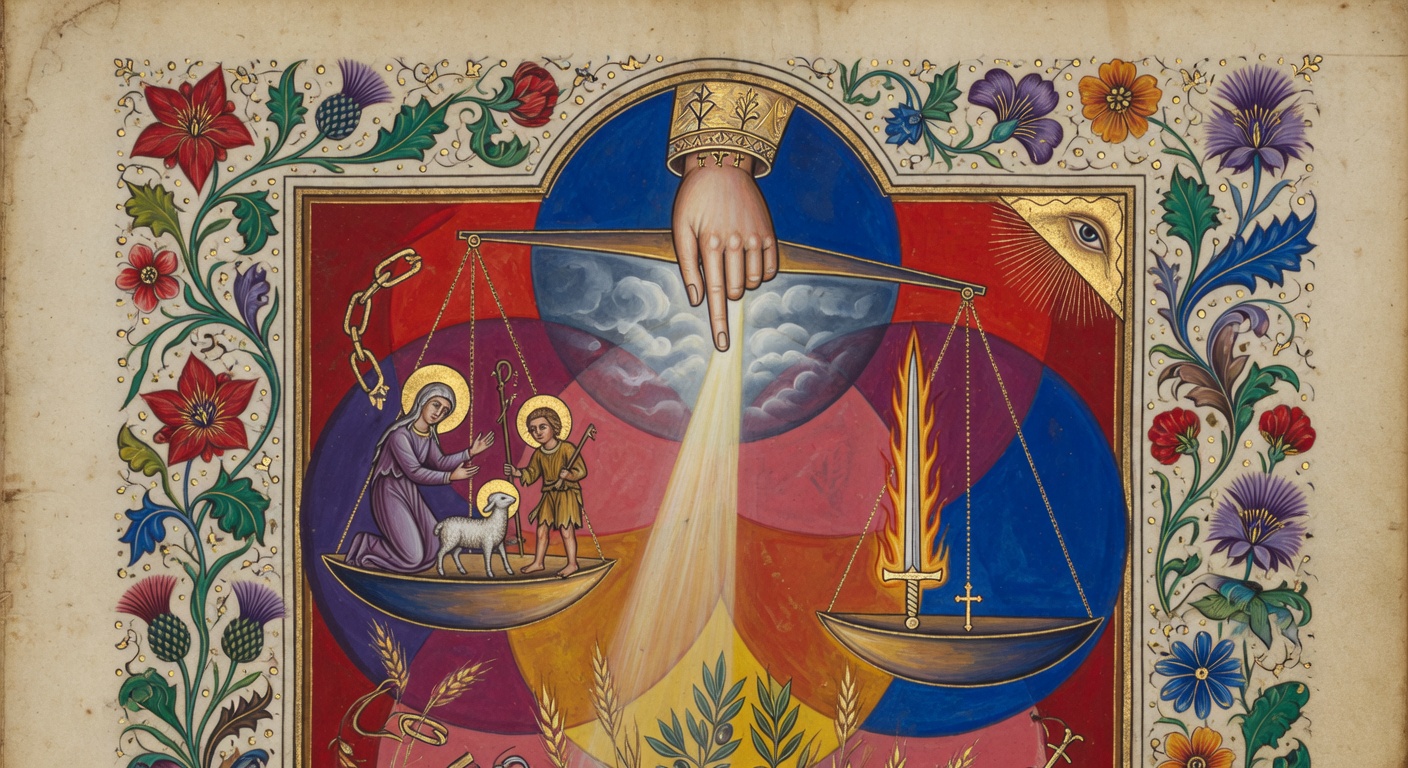
In the Bible, justice originates in God's own righteous character as the ultimate standard for moral order and equitable treatment, demanding that His people uphold fairness rather than exploit power. This theme unfolds through Old Testament laws protecting widows, orphans, foreigners, and the poor, as well as prophetic confrontations in books like Amos, Micah, and Isaiah that condemn Israel's systemic oppression and call for repentance. Its significance peaks in the New Testament, where Jesus embodies and teaches justice alongside mercy, linking it to the kingdom of God and the final judgment. This matters because it frames justice not as an optional ethic but as essential to covenant faithfulness, shaping how believers address vulnerability and inequality throughout Scripture.
Details
- Category
- Theology
Key Chapters
Key Passages
Do justly, love mercy, walk humbly
Micah 6:6-8
Micah distills all of God's requirements into three actions - combining social justice, compassionate mercy, and humble devotion in one unforgettable summary.
 6herewith shall I come before the LORD, and bow myself before the high God? shall I come before him with burnt offerings, with calves of a year old?
Let justice roll down like waters
Amos 5:21-24
Amos rejects religious ritual divorced from social justice - God despises worship from those who oppress the poor, demanding righteousness as constant as a flowing stream.
 21 hate, I despise your feast days, and I will not smell in your solemn assemblies.
Defend the cause of the fatherless
Isaiah 1:16-17
Isaiah commands active advocacy for the vulnerable - true religion is not passive piety but aggressive defense of those who cannot defend themselves.
16ash you, make you clean; put away the evil of your doings from before mine eyes; cease to do evil;
The Lord loves justice
Psalms 37:27-29
The psalmist grounds justice in God's own character - He loves it because it reflects who He is, and those who practice it align themselves with His nature.
 27epart from evil, and do good; and dwell for evermore.
Open your mouth for the voiceless
Proverbs 31:8-9
Proverbs charges leaders to use their power and voice on behalf of those who have neither - defining righteous authority as advocacy for the marginalized.
 8pen thy mouth for the dumb in the cause of all such as are appointed to destruction.
Did You Know?
The prophets mention justice more than any other social concern - over 200 times.
Amos 5:24 - 'Let justice roll down like waters' - was quoted by Martin Luther King Jr.
God describes himself as a father to the fatherless and defender of widows in Psalm 68.
The Hebrew word mishpat means both punishment of wrongdoing AND care for the vulnerable.