Fall of Israel (Samaria)
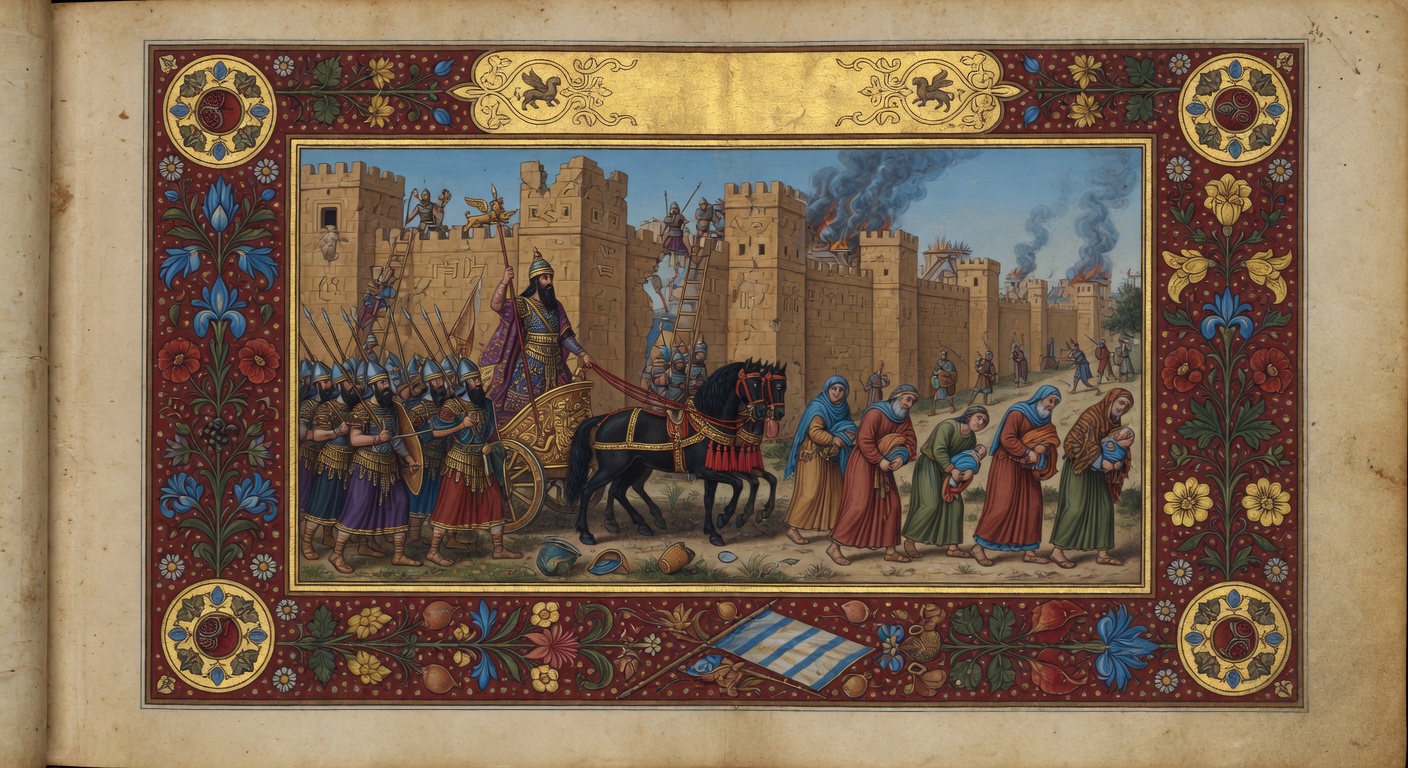
The northern kingdom ignored every warning. In 722 BC, Assyria erased them from the map.
The northern kingdom of Israel, centered in Samaria, fell to the Assyrian Empire around 722 BC when Sargon II completed the capture of the capital following a three-year siege begun by Shalmaneser V. This conquest led to the mass deportation of Israelites into exile, a policy that scattered much of the population and gave rise to the later tradition of the ten lost tribes. Scripture records the event in 2 Kings 17, attributing the kingdom's destruction to generations of idolatry, covenant violations, and rejection of prophetic warnings from figures such as Hosea and Amos. The fall ended Israel's existence as an independent nation, underscored the reality of divine judgment for unfaithfulness, and left only the southern kingdom of Judah as the surviving remnant of God's people.
Did You Know?
This conquest led to the mass deportation of Israelites into exile, a policy that scattered much of the population and gave rise to the later tradition of the ten lost tribes.
Scripture records the event in 2 Kings 17, attributing the kingdom's destruction to generations of idolatry, covenant violations, and rejection of prophetic warnings from figures such as Hosea and Amos.
This event is dated to approximately 722 BC in biblical chronology.
This took place at or near Samaria.
Key Passage
Fall of Israel (Samaria)
2 Kings 17:5-18
 5hen the king of Assyria came up throughout all the land, and went up to Samaria, and besieged it three years.
Meanwhile in the World
Assyria becomes the world's first great empire, conquering from Egypt to Persia. Greece emerges from its Dark Age - the Olympic Games begin (776 BC). Rome is founded (753 BC). Carthage is established. This is the height of Assyrian military power and the rise of Greek city-states.