Riot at Ephesus

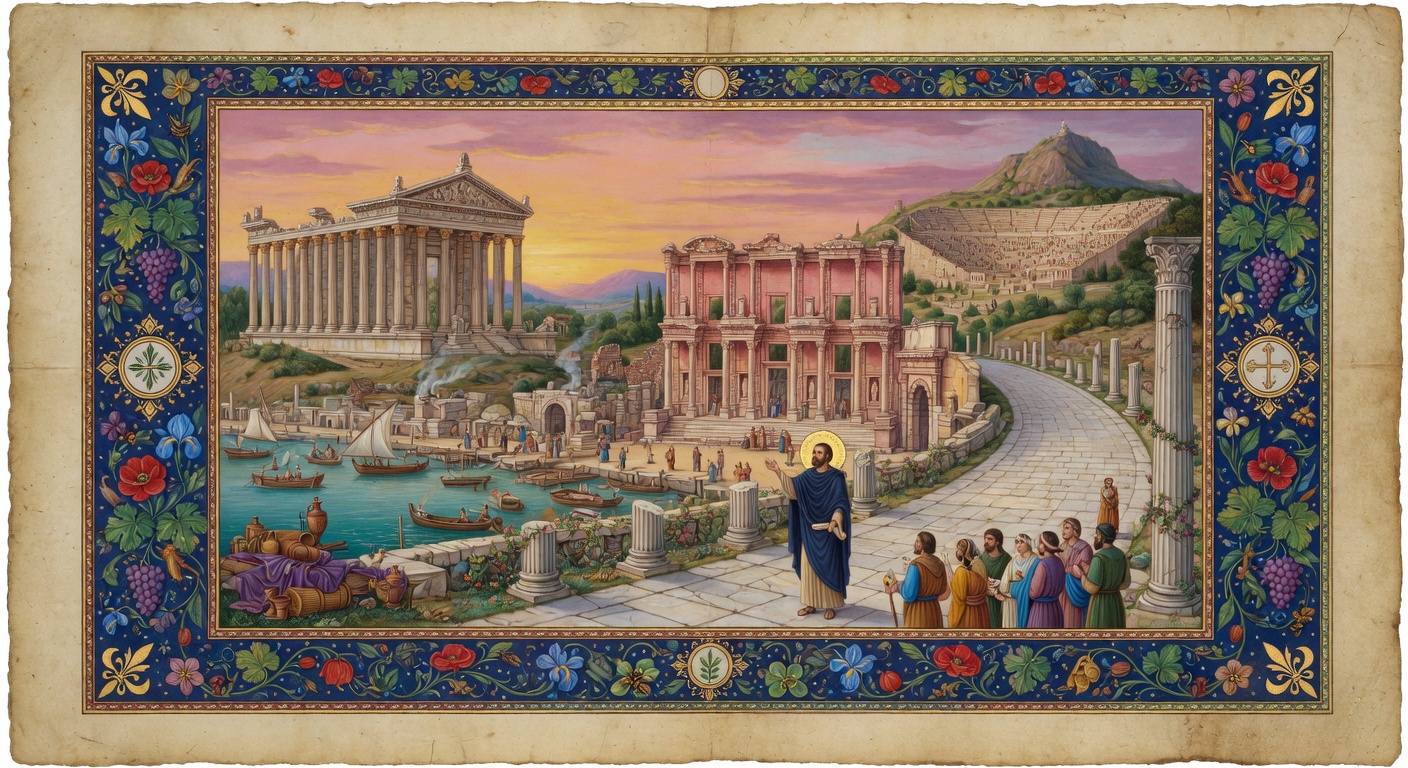
Illustration of Riot at Ephesus
Era
Early Church
Date
c. AD 55 ≈ Approximate
Reference
Acts 19:23-41
When the gospel began to hurt the idol trade, Ephesus erupted into a two-hour chant in its great theatre.

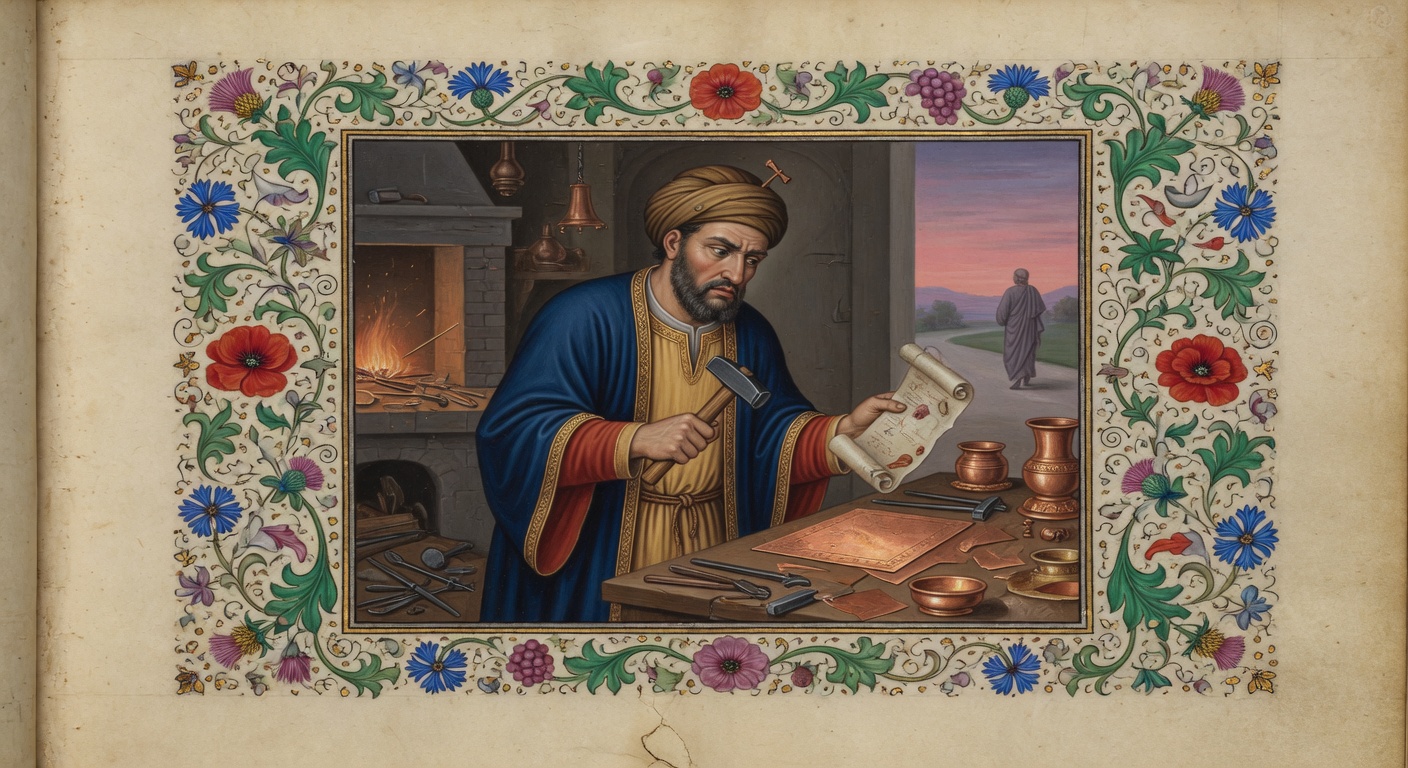
During Paul's long ministry at Ephesus, so many people turned from idols that a silversmith named Demetrius, who made silver shrines for Diana, called together the craftsmen and warned that both their trade and the honor of the great goddess's temple were in danger. They were full of wrath and cried out, 'Great is Diana of the Ephesians,' and the whole city was filled with confusion as the crowd caught Paul's Macedonian companions Gaius and Aristarchus and rushed with one accord into the theatre. Paul wanted to go in to the people, but the disciples and certain of the chief of Asia, who were his friends, urged him not to. For about the space of two hours the crowd cried out the same words, until the townclerk quieted them, reminded them that the courts were open, and dismissed the assembly. When the uproar was ceased, Paul embraced the disciples and departed for Macedonia.

0:00

Did You Know?

1

Diana is the Roman name for the Greek goddess Artemis, whose temple at Ephesus was one of the Seven Wonders of the ancient world.

2

The great theatre of Ephesus, still standing today, is estimated to have held about 25,000 people.

3

The townclerk admitted that Paul's companions were 'neither robbers of churches, nor yet blasphemers of your goddess.'

4

Paul wrote 1 Corinthians during his years at Ephesus, telling them, 'I will tarry at Ephesus until Pentecost.'

Key Passage

Riot at Ephesus

Acts 19:23-41
A23nd the same time there arose no small stir about that way.

24 For a certain man named Demetrius, a silversmith, which made silver shrines for Diana, brought no small gain unto the craftsmen; 25 Whom he called together with the workmen of like occupation, and said, Sirs, ye know that by this craft we have our wealth. 26 Moreover ye see and hear, that not alone at Ephesus, but almost throughout all Asia, this Paul hath persuaded and turned away much people, saying that they be no gods, which are made with hands: 27 So that not only this our craft is in danger to be set at nought; but also that the temple of the great goddess Diana should be despised, and her magnificence should be destroyed, whom all Asia and the world worshippeth. 28 And when they heard these sayings, they were full of wrath, and cried out, saying, Great is Diana of the Ephesians. 29 And the whole city was filled with confusion: and having caught Gaius and Aristarchus, men of Macedonia, Paul’s companions in travel, they rushed with one accord into the theatre. 30 And when Paul would have entered in unto the people, the disciples suffered him not. 31 And certain of the chief of Asia, which were his friends, sent unto him, desiring him that he would not adventure himself into the theatre. 32 Some therefore cried one thing, and some another: for the assembly was confused; and the more part knew not wherefore they were come together. 33 And they drew Alexander out of the multitude, the Jews putting him forward. And Alexander beckoned with the hand, and would have made his defence unto the people. 34 But when they knew that he was a Jew, all with one voice about the space of two hours cried out, Great is Diana of the Ephesians. 35 And when the townclerk had appeased the people, he said, Ye men of Ephesus, what man is there that knoweth not how that the city of the Ephesians is a worshipper of the great goddess Diana, and of the image which fell down from Jupiter? 36 Seeing then that these things cannot be spoken against, ye ought to be quiet, and to do nothing rashly. 37 For ye have brought hither these men, which are neither robbers of churches, nor yet blasphemers of your goddess. 38 Wherefore if Demetrius, and the craftsmen which are with him, have a matter against any man, the law is open, and there are deputies: let them implead one another. 39 But if ye enquire any thing concerning other matters, it shall be determined in a lawful assembly. 40 For we are in danger to be called in question for this day’s uproar, there being no cause whereby we may give an account of this concourse. 41 And when he had thus spoken, he dismissed the assembly.

Read full chapter: Acts 19 →

Meanwhile in the World

The Roman Empire under Nero, Vespasian, and Domitian. Nero persecutes Christians (AD 64). Jerusalem and its temple are destroyed by Rome (AD 70). Pompeii is buried by Vesuvius (AD 79). The Colosseum is built. This is the era of the Pax Romana's later years and increasing imperial cult pressure.

When: c. AD 30 - 100

Key Civilizations: Roman Empire (Flavian dynasty)

Biblical Parallels: Acts 1-28

Destruction of the Second Temple (70 AD), rise of rabbinic Judaism