Ten Commandments

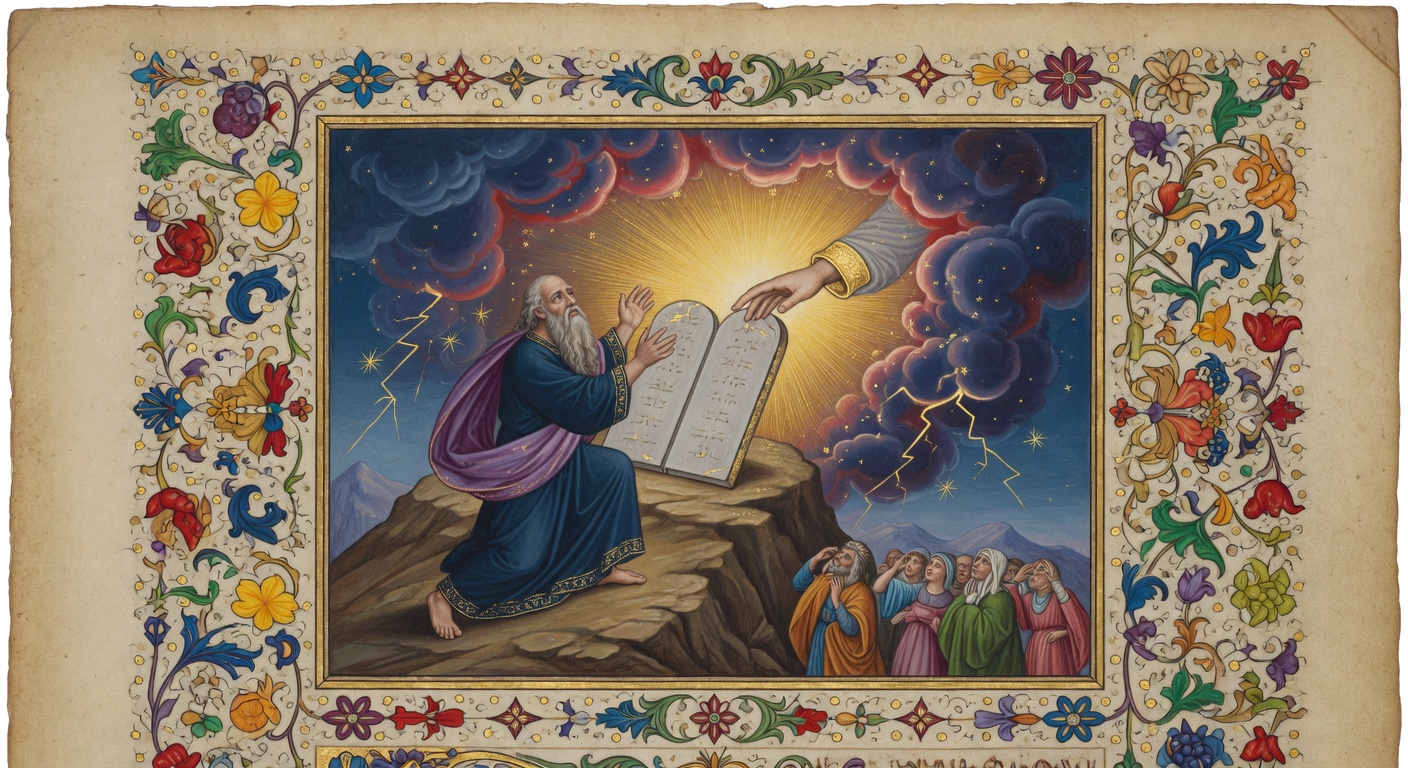
Illustration of Ten Commandments
Era
Exodus & Conquest
Date
c. 1446 BC โ‰ˆ Approximate
Reference
Exodus 20:1-17

Following the Israelites' exodus from Egypt, God led them to Mount Sinai where He summoned Moses to receive divine laws. On the mountain, God inscribed the Ten Commandments on stone tablets, outlining moral principles such as the worship of one God, honoring parents, and prohibitions against murder, theft, and adultery. This event established the covenant between God and Israel, serving as a foundational moment in Scripture that underscores the importance of obedience to divine law. The commandments are repeatedly referenced throughout the Bible, influencing both Old and New Testament teachings on righteousness and faith.

0:00

Did You Know?

1

On the mountain, God inscribed the Ten Commandments on stone tablets, outlining moral principles such as the worship of one God, honoring parents, and prohibitions against murder, theft, and adultery.

2

This event established the covenant between God and Israel, serving as a foundational moment in Scripture that underscores the importance of obedience to divine law.

3

This event is dated to approximately c. 1446 BC in biblical chronology.

4

This took place at or near Mount Sinai.

Key Passage

Ten Commandments

Exodus 20:1-17
A1nd God spake all these words, saying,

2 I am the LORD thy God, which have brought thee out of the land of Egypt, out of the house of bondage. 3 Thou shalt have no other gods before me. 4 Thou shalt not make unto thee any graven image, or any likeness of any thing that is in heaven above, or that is in the earth beneath, or that is in the water under the earth: 5 Thou shalt not bow down thyself to them, nor serve them: for I the LORD thy God am a jealous God, visiting the iniquity of the fathers upon the children unto the third and fourth generation of them that hate me; 6 And shewing mercy unto thousands of them that love me, and keep my commandments. 7 Thou shalt not take the name of the LORD thy God in vain; for the LORD will not hold him guiltless that taketh his name in vain. 8 Remember the sabbath day, to keep it holy. 9 Six days shalt thou labour, and do all thy work: 10 But the seventh day is the sabbath of the LORD thy God: in it thou shalt not do any work, thou, nor thy son, nor thy daughter, thy manservant, nor thy maidservant, nor thy cattle, nor thy stranger that is within thy gates: 11 For in six days the LORD made heaven and earth, the sea, and all that in them is, and rested the seventh day: wherefore the LORD blessed the sabbath day, and hallowed it. 12 Honour thy father and thy mother: that thy days may be long upon the land which the LORD thy God giveth thee. 13 Thou shalt not kill. 14 Thou shalt not commit adultery. 15 Thou shalt not steal. 16 Thou shalt not bear false witness against thy neighbour. 17 Thou shalt not covet thy neighbourโ€™s house, thou shalt not covet thy neighbourโ€™s wife, nor his manservant, nor his maidservant, nor his ox, nor his ass, nor any thing that is thy neighbourโ€™s.

Read full chapter: Exodus 20 โ†’

Meanwhile in the World

Egypt is at the height of its New Kingdom power under pharaohs like Thutmose III and Ramesses II. The Hittite Empire controls Anatolia. The Late Bronze Age collapse is approaching. Troy exists as a real city. This is the time of the Amarna letters and international diplomacy.

When: c. 1446 - 1375 BC

Key Civilizations: New Kingdom Egypt, Hittite Empire

Biblical Parallels: Exodus 1-40 , Joshua 1-24