The Ox

The ox was the work engine of the ancient farm, pulling the plow, treading out grain and hauling carts, and its strength meant a full harvest: 'much increase is by the strength of the ox.' The Law protected it - 'Thou shalt not muzzle the ox when he treadeth out the corn' - and Paul applied that command to the support of those who labor in the gospel. Oxen were offered in sacrifice, Elisha left his oxen to follow Elijah, and Isaiah used the ox that 'knoweth his owner' to shame a people who did not know their God.
Key Passages
Do Not Muzzle the Ox
1 Corinthians 9:9-10
Paul reads the law about the working ox as a principle of fairness: those who labor should share in the fruit of their work.
 9or it is written in the law of Moses, Thou shalt not muzzle the mouth of the ox that treadeth out the corn. Doth God take care for oxen?
Explore Related


Did You Know?
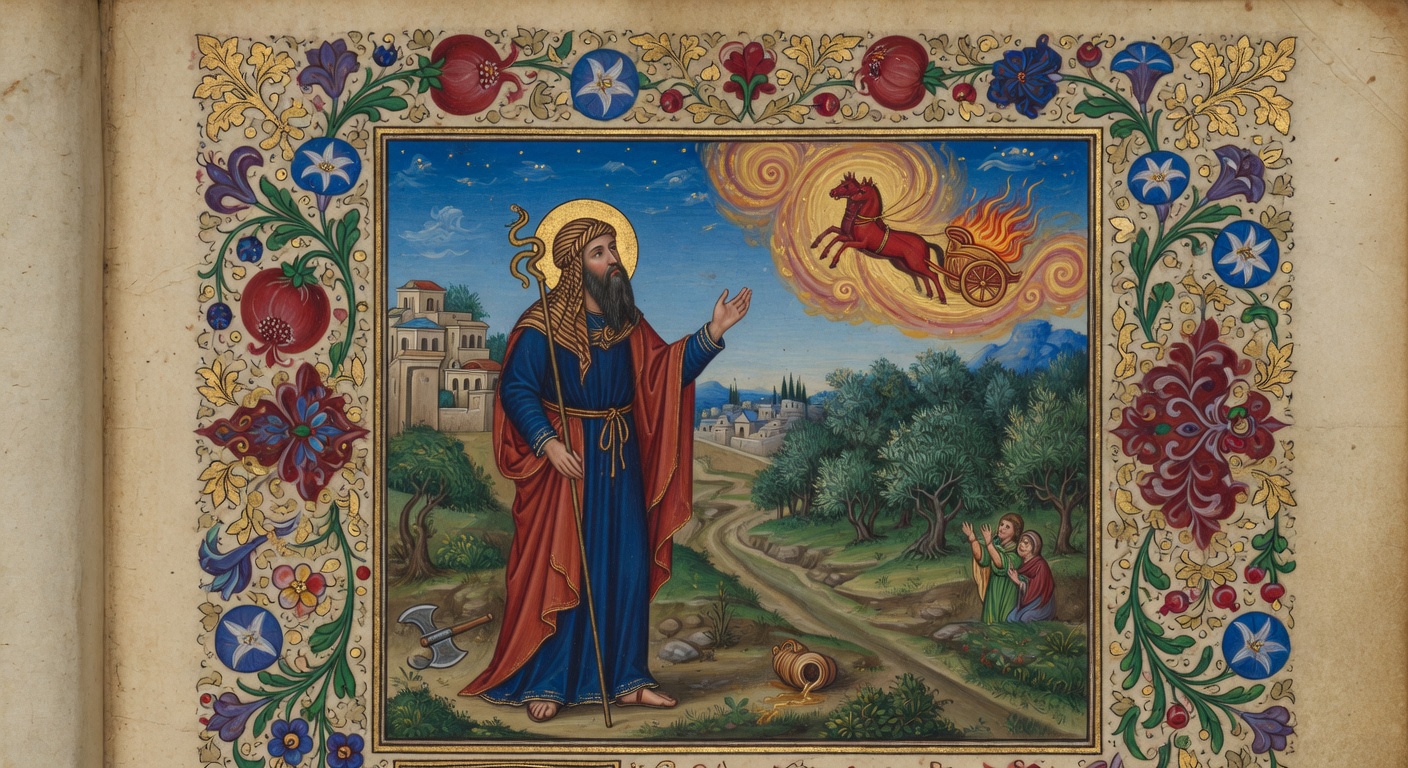
Elisha was plowing 'with twelve yoke of oxen' when Elijah called him.
Paul quoted the law about the unmuzzled ox to argue that gospel workers deserve support.
One face of the living creatures in Ezekiel's vision was the face of an ox.
Isaiah said the ox knows its owner, but Israel did not know its God.