Psalms 12 KJV
A Prayer Against the Wicked
About This Psalm
A world drowning in lies and flattery. David prays for God's pure words to cut through the noise. Relevant in any age of misinformation.
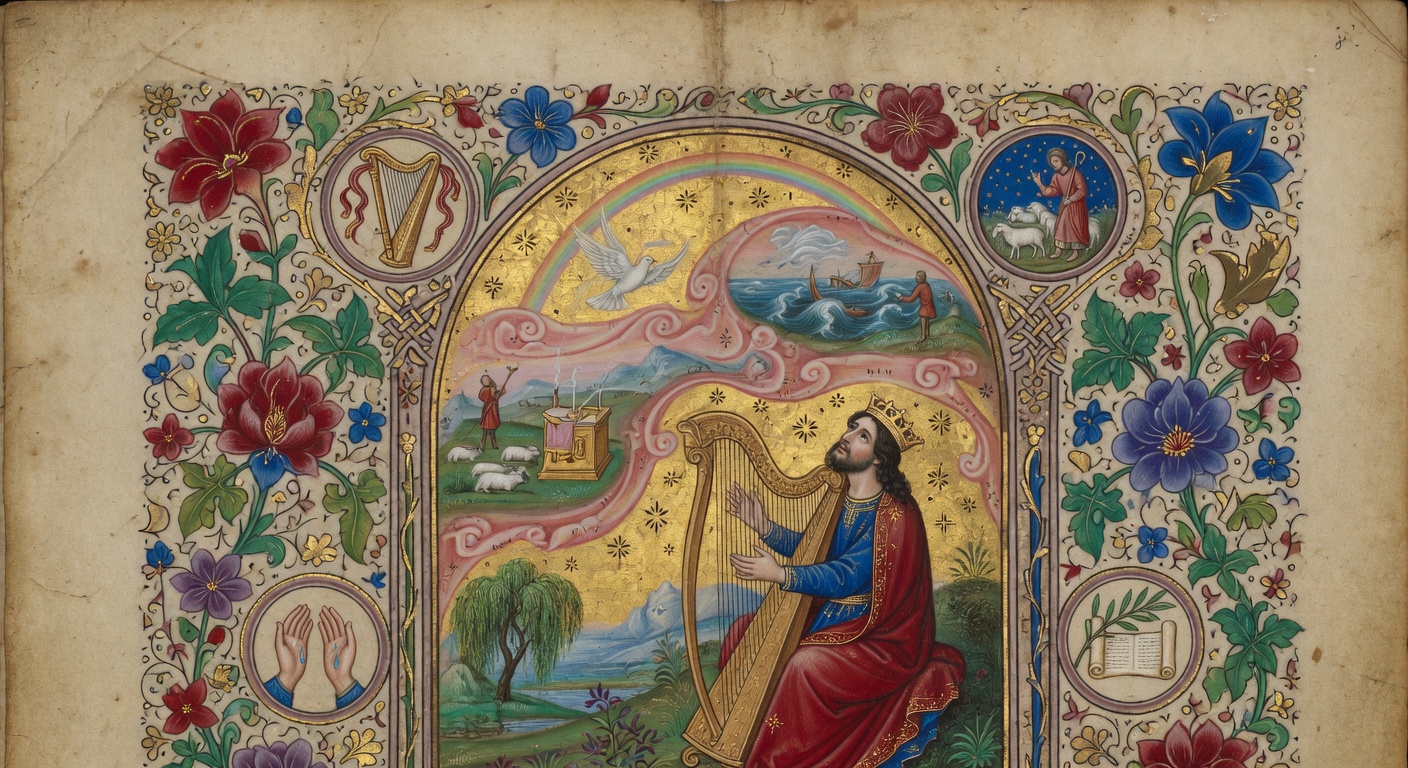
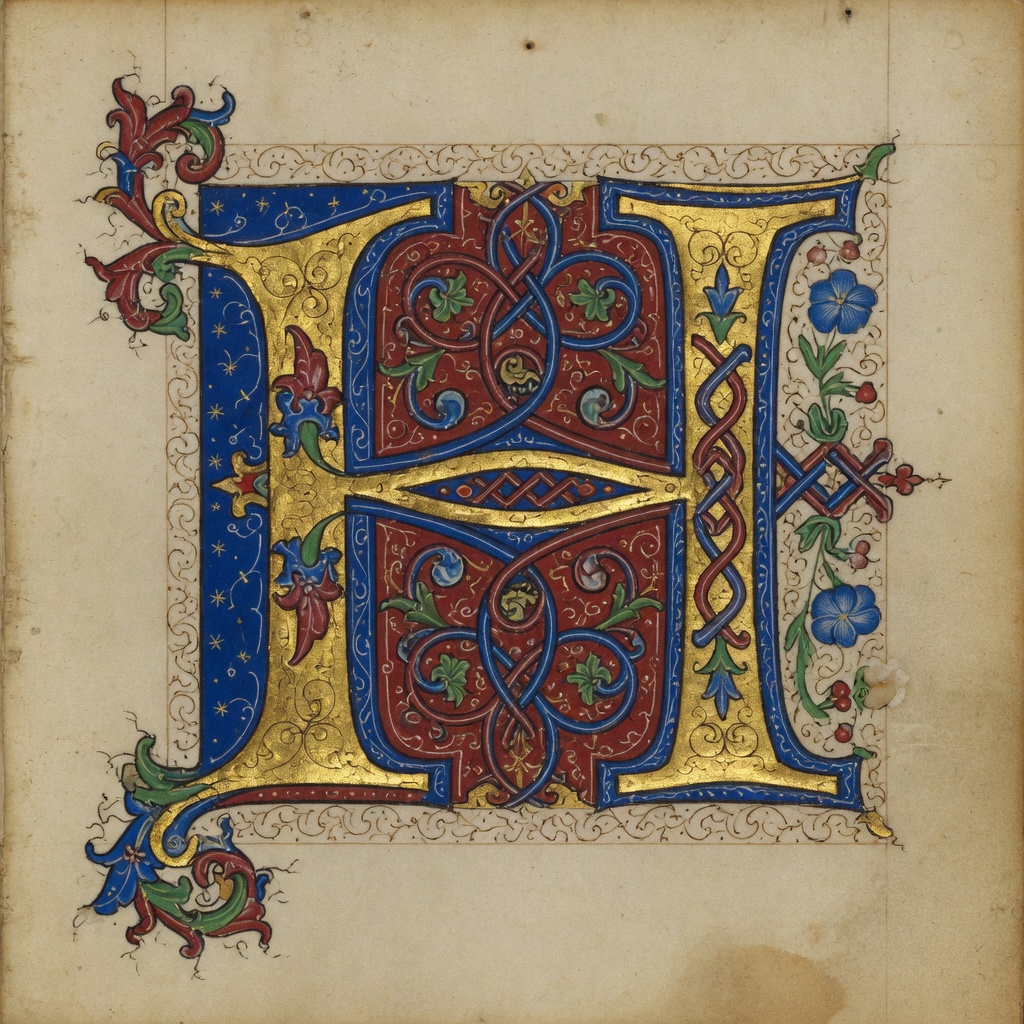 1elp, LORD; for the godly man ceaseth; for the faithful fail from among the children of men.
2 They speak vanity every one with his neighbour: with flattering lips and with a double heart do they speak.
3 The LORD shall cut off all flattering lips, and the tongue that speaketh proud things:
4 Who have said, With our tongue will we prevail; our lips are our own: who is lord over us?
5 For the oppression of the poor, for the sighing of the needy, now will I arise, saith the LORD; I will set him in safety from him that puffeth at him.
6 The words of the LORD are pure words: as silver tried in a furnace of earth, purified seven times.
7 Thou shalt keep them, O LORD, thou shalt preserve them from this generation for ever.
8 The wicked walk on every side, when the vilest men are exalted.
← → arrow keys to navigate chapters · spacebar to play/pause audio
Did You Know?
The psalm's reference to God's words as 'silver tried in a furnace of earth, purified seven times' draws on ancient metallurgical practices where sevenfold refinement signified absolute purity, underscoring a theological claim that divine speech alone withstands human corruption unlike the 'double heart' of flatterers.
Verse 5 records a rare direct divine oracle interrupting the lament, shifting from complaint to assurance in a manner akin to prophetic judgment speeches, which highlights the psalm's hybrid genre blending individual petition with covenantal promise.
The superscription 'upon Sheminith' likely points to an eight-stringed lyre or the octave register, a musical directive that may evoke themes of renewal or covenantal completeness, paralleling other Sheminith psalms like Psalm 6 in their focus on deliverance from enemies.
The closing image of 'the wicked walk on every side' when 'vilest men are exalted' echoes ancient Near Eastern royal critique motifs, where the inversion of social order signals divine judgment, a motif later invoked in intertestamental literature on moral decay.
Its emphasis on preserving 'the poor' and 'needy' from generational oppression connects to Deuteronomic laws on protecting the marginalized, framing the psalm as a liturgical bridge between wisdom traditions and social justice concerns in the Psalter.
Jonathan sealed his covenant with David by giving him his royal robe, armor, sword, bow, and belt, ritually transferring symbols of kingship despite being Saul's heir.
Solomon's throne, overlaid with gold and ivory, featured six steps flanked by twelve lions symbolizing the tribes of Israel and incorporated a calf-shaped seat back, making it a unique artifact unmatched by any other royal throne of the era.
This location became the focal point of national worship and divine promises, later extending symbolically to encompass the Temple Mount where Solomon built the house of the Lord.
Jerusalem is mentioned over 800 times in the Bible. More than any other city.
Commentary & Study Notes Jamieson-Fausset-Brown (1871) · Public Domain the faithful — or literally, "faithfulness" (Ps 31:23).
Classic verse-by-verse commentary on Psalms 12 from Jamieson, Fausset & Brown (1871). Covers: On title, see introduction and see on ps 6:1. The psalmist laments the decrease of good men. The pride and deceit of the wicked provokes God's wrath, whose promise to avenge the cause of pious sufferers will be verified even amidst prevailing iniquity.
- 1
- the faithful — or literally, "faithfulness" (Ps 31:23).
- 2
- The want of it is illustrated by the prevalence of deceit and instability.
Read all 7 notes on Psalms 12 →