Psalms 13 KJV
How Long, O Lord?
About This Psalm
The shortest lament - 'How long, O LORD?' Four times in six verses. When God feels silent and you're running out of patience.
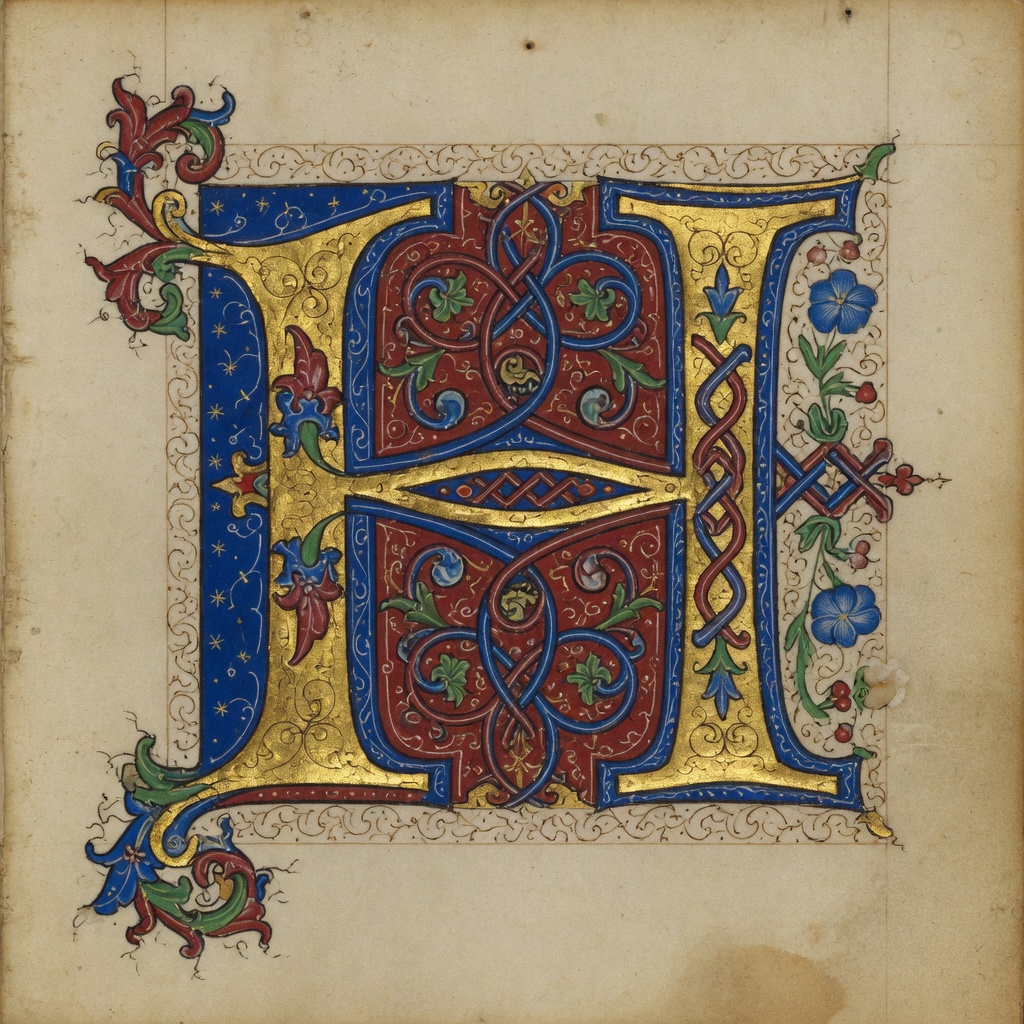 1ow long wilt thou forget me, O LORD? for ever? how long wilt thou hide thy face from me?
2 How long shall I take counsel in my soul, having sorrow in my heart daily? how long shall mine enemy be exalted over me?
3 Consider and hear me, O LORD my God: lighten mine eyes, lest I sleep the sleep of death;
4 Lest mine enemy say, I have prevailed against him; and those that trouble me rejoice when I am moved.
5 But I have trusted in thy mercy; my heart shall rejoice in thy salvation.
6 I will sing unto the LORD, because he hath dealt bountifully with me.
← → arrow keys to navigate chapters · spacebar to play/pause audio
Did You Know?
Psalm 13 models the lament genre by directing four successive 'how long' questions straight at God, treating divine silence itself as a legitimate subject of prayer rather than evidence of unfaithfulness.
The abrupt transition in verse 5 from urgent petition to present-tense rejoicing occurs without any narrated change in circumstances, illustrating that trust can be asserted as an act of will rather than a report of deliverance.
The phrase 'lighten mine eyes' in verse 3 employs an ancient Near Eastern idiom linking failing vision with mortal weakness or Sheol's shadow, a motif that also appears in Ugaritic texts describing the approach of death.
Though intensely personal, the superscription assigns the psalm to the chief musician, indicating it was shaped for public temple performance and thus incorporated private anguish into Israel's corporate liturgy.
Its placement among the Davidic collection (Psalms 3-32) invites readers to hear the lament against the backdrop of the Samuel narratives, where David's flights from Saul repeatedly feature prolonged periods when prophetic guidance and priestly oracles seemed withdrawn.
David twice spared Saul's life in the wilderness, once cutting off a piece of his robe in the En Gedi cave and later removing his spear and water jug while he slept, demonstrating restraint amid pursuit.
The Queen of Sheba traveled roughly 1,200 miles from her Arabian kingdom with a caravan of camels carrying spices, gold, and stones to test Solomon's wisdom with riddles, then exchanged lavish gifts including 120 talents of gold that funded further temple adornments.
In the prophetic writings it stands as the center of God's redemptive plan, embodying covenant faithfulness and the expectation of a coming Messiah who would rule from Zion in justice and peace.
The city has been destroyed at least twice, besieged 23 times, and captured 44 times.
Commentary & Study Notes Jamieson-Fausset-Brown (1871) · Public Domain The forms of expression and figure here used are frequent (compare Ps 9:12, 18; 10:11, 12). How long... for ever — Shall it be for ever?
Classic verse-by-verse commentary on Psalms 13 from Jamieson, Fausset & Brown (1871). Covers: On title, see introduction. The psalmist, mourning God's absence and the triumph of his enemies, prays for relief before he is totally destroyed, and is encouraged to hope his trust will not be in vain.
- 1
- The forms of expression and figure here used are frequent (compare Ps 9:12, 18; 10:11, 12). How long... for ever — Shall it be for ever?
- 2
- The counsels or devices of his heart afford no relief.
Read all 5 notes on Psalms 13 →