Psalms 4 KJV
An Evening Prayer of Trust
About This Psalm
An evening prayer of trust. When others doubt God's goodness, David chooses confidence. A psalm for anxious nights.
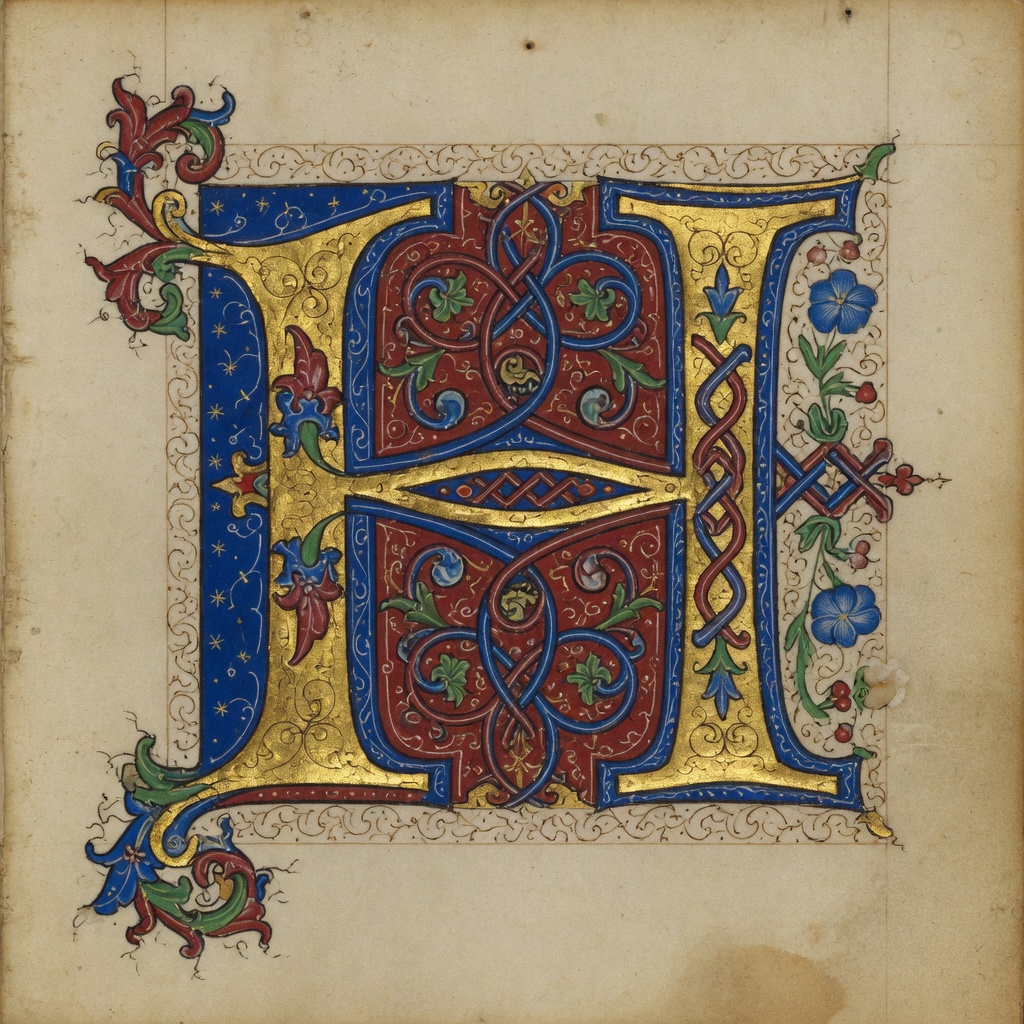 1ear me when I call, O God of my righteousness: thou hast enlarged me when I was in distress; have mercy upon me, and hear my prayer.
2 O ye sons of men, how long will ye turn my glory into shame? how long will ye love vanity, and seek after leasing? Selah.
3 But know that the LORD hath set apart him that is godly for himself: the LORD will hear when I call unto him.
4 Stand in awe, and sin not: commune with your own heart upon your bed, and be still. Selah.
5 Offer the sacrifices of righteousness, and put your trust in the LORD.
6 There be many that say, Who will shew us any good? LORD, lift thou up the light of thy countenance upon us.
7 Thou hast put gladness in my heart, more than in the time that their corn and their wine increased.
8 I will both lay me down in peace, and sleep: for thou, LORD, only makest me dwell in safety.
← → arrow keys to navigate chapters · spacebar to play/pause audio
Did You Know?
The phrase 'Be ye angry, and sin not' (v.4) is quoted verbatim by Paul in Ephesians 4:26, transforming an ancient call to nocturnal self-examination into a directive for Christian community ethics.
Verse 6's appeal for 'the light of thy countenance' directly echoes the Aaronic blessing of Numbers 6:25, repurposing priestly liturgy as a personal petition that elevates divine favor above agricultural abundance.
The psalm's superscription 'To the chief Musician on Neginoth' indicates performance on stringed instruments, situating it within temple music traditions that likely accompanied evening offerings.
Its probable composition during Absalom's revolt links the 'many that say, Who will shew us any good?' (v.6) to the political despair of David's court, contrasting material security with covenant trust.
The progression from rebuke of 'vanity' and 'leasing' (v.2) to sacrificial righteousness (v.5) subtly critiques empty ritual, anticipating prophetic emphases on ethical worship found in Hosea and Amos.
In old age David could not keep warm even under heavy blankets, prompting his officials to bring the young Shunammite Abishag to lie beside him as a human heat source without becoming his wife.
Despite completing the temple, Solomon later built shrines to foreign deities like Ashtoreth, Chemosh, and Molech on the Mount of Olives for his 700 wives and 300 concubines, directly contributing to the kingdom's division after his death.
In the prophetic writings it stands as the center of God's redemptive plan, embodying covenant faithfulness and the expectation of a coming Messiah who would rule from Zion in justice and peace.
Jerusalem is mentioned over 800 times in the Bible. More than any other city.
Commentary & Study Notes Jamieson-Fausset-Brown (1871) · Public Domain Hear — as in Ps 3:4. God of my righteousness — or, "my righteous God, as my holy hill" (Ps 2:6), who will act towards me on righteous principles. thou hast enlarged — expresses rel…
Classic verse-by-verse commentary on Psalms 4 from Jamieson, Fausset & Brown (1871). Covers: On neginoth, that is, stringed instruments, as the kind of musical accompaniment. On other parts of title, see introduction., the historical occasion was probably the same as that of the foregoing [see on ps 3:1]. The writer, praying for further relief, admonishes his enemies of the vanity of attacking God's servant, exhorts them to repentance, and avows his confidence and peace in God's favor.
- 1
- Hear — as in Ps 3:4. God of my righteousness — or, "my righteous God, as my holy hill" (Ps 2:6), who will act towards me on righteous principles. thou hast enlarged — expresses relief afforded in opposition to "distress," which is expressed by a word denoting straits or pressure. Past favor is a ground of hope for the future.
- 2
- sons of men — men of note or prominence (compare 2Ch 21:9). turn my glory — or, "royal dignity." into shame — or, "reproach." vanity — a foolish and hopeless enterprise (Ps 2:1). leasing — a lie.
Read all 8 notes on Psalms 4 →