Psalms 54 KJV
A Prayer for Deliverance
About This Psalm
A brief cry for help when betrayed by people who should have been allies. Short, urgent, trusting.
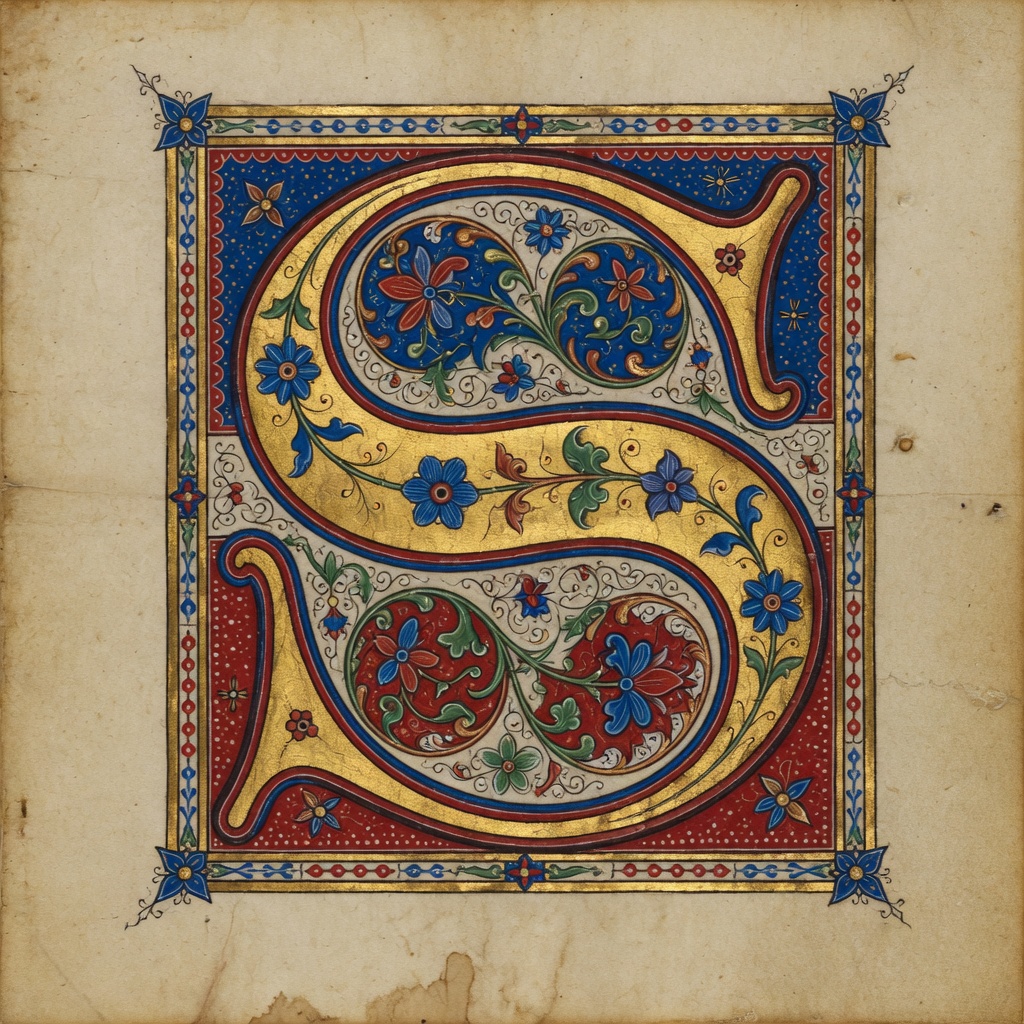 1ave me, O God, by thy name, and judge me by thy strength.
2 Hear my prayer, O God; give ear to the words of my mouth.
3 For strangers are risen up against me, and oppressors seek after my soul: they have not set God before them. Selah.
4 Behold, God is mine helper: the Lord is with them that uphold my soul.
5 He shall reward evil unto mine enemies: cut them off in thy truth.
6 I will freely sacrifice unto thee: I will praise thy name, O LORD; for it is good.
7 For he hath delivered me out of all trouble: and mine eye hath seen his desire upon mine enemies.
← → arrow keys to navigate chapters · spacebar to play/pause audio
Did You Know?
The superscription's reference to the Ziphites' betrayal of David (1 Samuel 23) is one of the few psalms that explicitly ties the text to a specific act of covenant treachery in the Judean wilderness, framing the prayer as a response to communal betrayal rather than generic enemies.
The repeated appeal to deliverance 'by thy name' (v.1) invokes ancient Near Eastern concepts of divine name as effective power, while simultaneously alluding to Exodus 3's revelation of the divine name as the basis for Israel's rescue from oppressors.
Verse 4's shift from Elohim to YHWH ('the Lord is with them that uphold my soul') marks a deliberate theological pivot from general deity to covenant Lord, underscoring that human allies ultimately derive strength from Israel's personal God.
The vow of freewill offering in v.6 anticipates post-exilic temple practice, suggesting the psalm was preserved or adapted to model individual gratitude sacrifices even when offered far from Jerusalem during David's fugitive period.
Its concise movement from desperate petition through confident assertion to vowed praise exemplifies the 'certainty of hearing' motif common in laments, yet uniquely compresses this arc into six verses without any intervening oracle of salvation.
In old age David could not keep warm even under heavy blankets, prompting his officials to bring the young Shunammite Abishag to lie beside him as a human heat source without becoming his wife.
Despite completing the temple, Solomon later built shrines to foreign deities like Ashtoreth, Chemosh, and Molech on the Mount of Olives for his 700 wives and 300 concubines, directly contributing to the kingdom's division after his death.
This location became the focal point of national worship and divine promises, later extending symbolically to encompass the Temple Mount where Solomon built the house of the Lord.
Jerusalem sits at about 2,500 feet elevation. Higher than most surrounding areas.
Commentary & Study Notes Jamieson-Fausset-Brown (1871) · Public Domain by thy name — (Ps 5:11), specially, power. judge me — as in Ps 7:8; 26:1.
Classic verse-by-verse commentary on Psalms 54 from Jamieson, Fausset & Brown (1871). Covers: See on ps 4:1, title; Ps 32:1, title; For the history, see 1sa 23:19, 29; 26:1-25. After an earnest cry for help, the psalmist promises praise in the assurance of a hearing.
- 1
- by thy name — (Ps 5:11), specially, power. judge me — as in Ps 7:8; 26:1.
- 2
- (Compare Ps 4:1; 5:1).
Read all 7 notes on Psalms 54 →