Psalms 67 KJV
A Prayer for God's Blessing
About This Psalm
May God bless us so that all nations will know Him. Blessing isn't just for us - it's meant to overflow to the world.
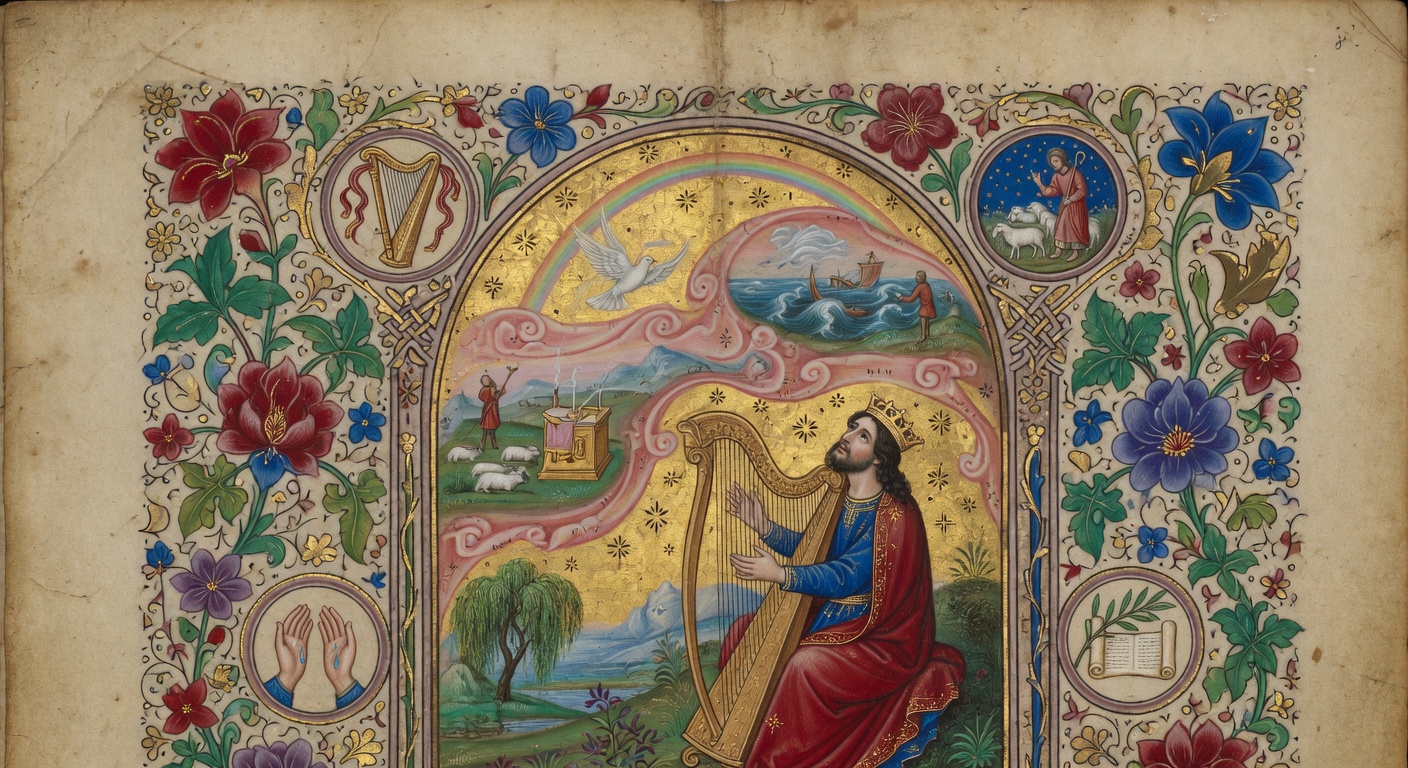
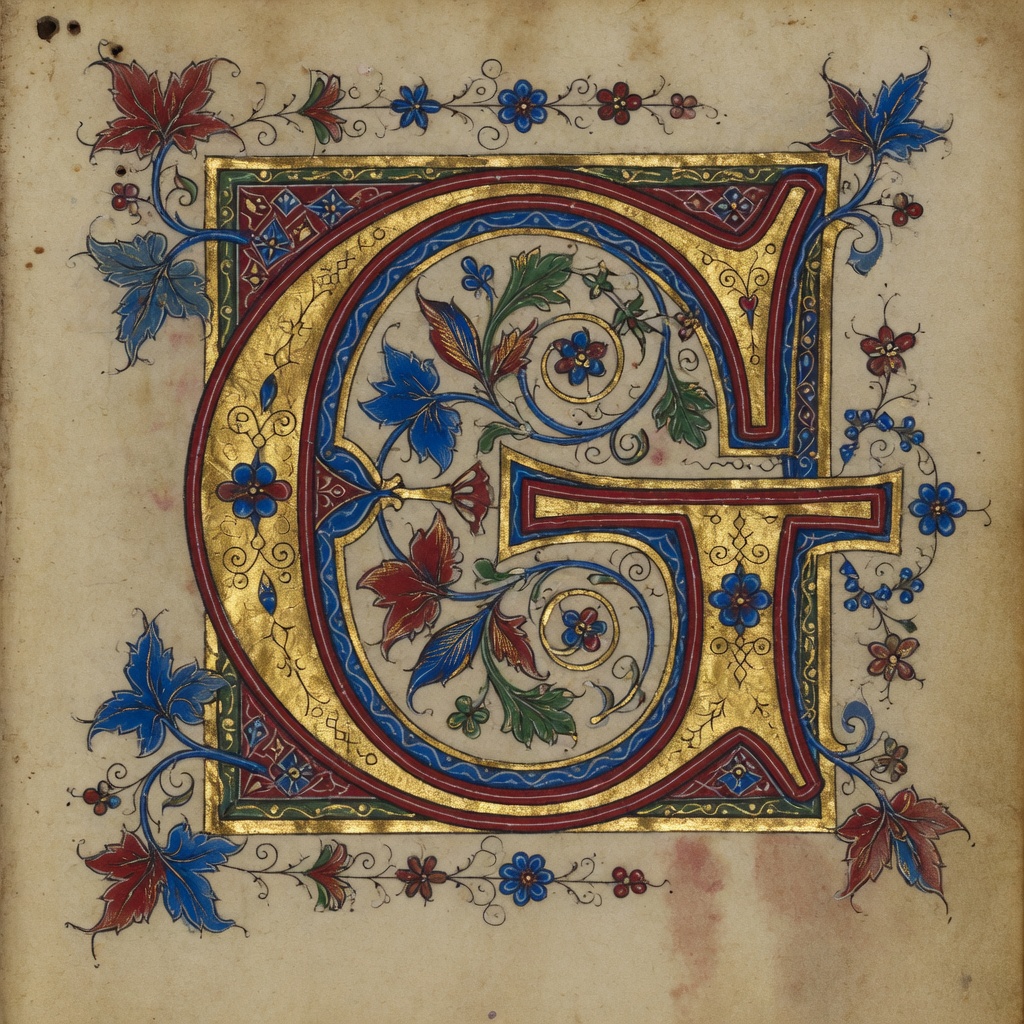 1od be merciful unto us, and bless us; and cause his face to shine upon us; Selah.
2 That thy way may be known upon earth, thy saving health among all nations.
3 Let the people praise thee, O God; let all the people praise thee.
4 O let the nations be glad and sing for joy: for thou shalt judge the people righteously, and govern the nations upon earth. Selah.
5 Let the people praise thee, O God; let all the people praise thee.
6 Then shall the earth yield her increase; and God, even our own God, shall bless us.
7 God shall bless us; and all the ends of the earth shall fear him.
← → arrow keys to navigate chapters · spacebar to play/pause audio
Did You Know?
The opening verse directly adapts the Aaronic benediction of Numbers 6:24-26, but reframes it as a prayer that God's shining face will result in his saving way becoming known among all nations rather than remaining Israel's exclusive possession.
Jewish liturgical tradition assigns Psalm 67 for daily recitation during the seven weeks of the Omer count between Passover and Shavuot, linking its harvest imagery in verse 6 to the agricultural blessing that follows the Exodus deliverance.
The psalm's center in verse 4 pivots on the imperative for the nations themselves to rejoice and sing, creating a chiastic movement in which Israel's blessing functions solely as the catalyst for universal gladness rather than an end in itself.
Verse 2's petition that God's salvation be known 'among all nations' employs the same Hebrew verb (yada') used in the exodus narrative for Pharaoh's recognition of YHWH, implying that the psalm seeks a global acknowledgment of God's power comparable to the Egyptian plagues.
The closing benediction in verse 7 repeats the root 'bless' three times in quick succession, forming an inclusio with the opening request that subtly shifts the agency of blessing from God alone to a reciprocal cycle involving the earth's increase and the people's praise.
Jonathan sealed his covenant with David by giving him his royal robe, armor, sword, bow, and belt, ritually transferring symbols of kingship despite being Saul's heir.
Solomon's throne, overlaid with gold and ivory, featured six steps flanked by twelve lions symbolizing the tribes of Israel and incorporated a calf-shaped seat back, making it a unique artifact unmatched by any other royal throne of the era.
In the prophetic writings it stands as the center of God's redemptive plan, embodying covenant faithfulness and the expectation of a coming Messiah who would rule from Zion in justice and peace.
Three major world religions consider Jerusalem a holy city.
Commentary & Study Notes Jamieson-Fausset-Brown (1871) · Public Domain cause his face to shine — show us favor (Nu 6:24, 25; Ps 31:16).
Classic verse-by-verse commentary on Psalms 67 from Jamieson, Fausset & Brown (1871). Covers: A prayer that, by God's blessing on his people, his salvation and praise may be extended over the earth.
- 1
- cause his face to shine — show us favor (Nu 6:24, 25; Ps 31:16).
- 2
- thy way — of gracious dealing (Isa 55:8), as explained by — saving health — or literally, "salvation."
Read all 4 notes on Psalms 67 →