Psalms 92 KJV
A Song for the Sabbath
About This Psalm
A song for the Sabbath. The righteous flourish like a palm tree. Taking time to rest and recognize God's works.
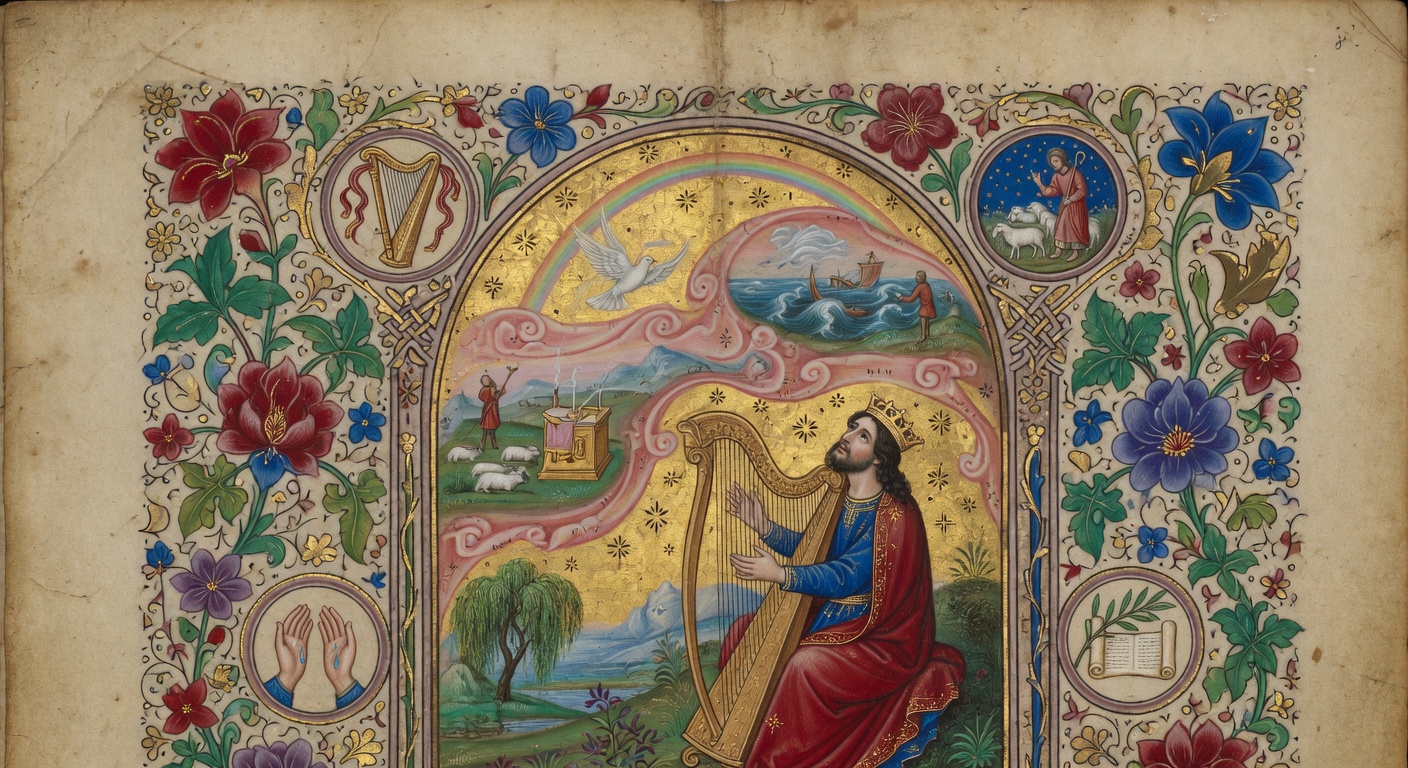
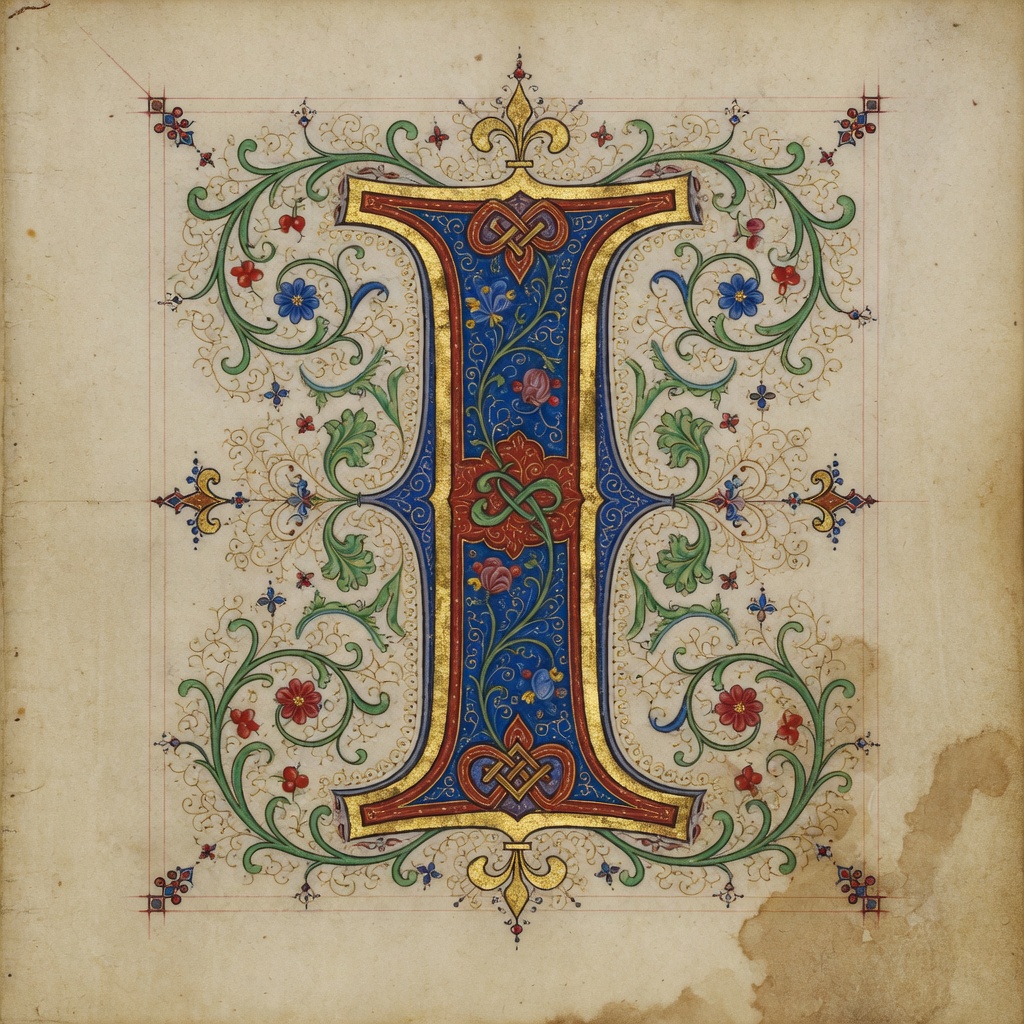 1T IS A GOOD THING TO GIVE THANKS UNTO THE LORD, AND TO SING PRAISES UNTO THY NAME, O MOST HIGH:
2 To shew forth thy lovingkindness in the morning, and thy faithfulness every night,
3 Upon an instrument of ten strings, and upon the psaltery; upon the harp with a solemn sound.
4 For thou, LORD, hast made me glad through thy work: I will triumph in the works of thy hands.
5 O LORD, how great are thy works! and thy thoughts are very deep.
6 A brutish man knoweth not; neither doth a fool understand this.
7 When the wicked spring as the grass, and when all the workers of iniquity do flourish; it is that they shall be destroyed for ever:
8 But thou, LORD, art most high for evermore.
9 For, lo, thine enemies, O LORD, for, lo, thine enemies shall perish; all the workers of iniquity shall be scattered.
10 But my horn shalt thou exalt like the horn of an unicorn: I shall be anointed with fresh oil.
11 Mine eye also shall see my desire on mine enemies, and mine ears shall hear my desire of the wicked that rise up against me.
12 The righteous shall flourish like the palm tree: he shall grow like a cedar in Lebanon.
13 Those that be planted in the house of the LORD shall flourish in the courts of our God.
14 They shall still bring forth fruit in old age; they shall be fat and flourishing;
15 To shew that the LORD is upright: he is my rock, and there is no unrighteousness in him.
← → arrow keys to navigate chapters · spacebar to play/pause audio
Did You Know?
According to the Mishnah (Tamid 7:4), this psalm was the designated song of the Levites for the Sabbath Temple service, linking its performance to the weekly reenactment of creation rest.
The botanical contrast between grass (quickly destroyed) and transplanted palm/cedar trees evokes ancient Near Eastern royal iconography where such trees symbolized enduring divine favor and temple presence.
Verse 10's reference to being 'anointed with fresh oil' uses language typically reserved for kings or high priests, subtly implying that Sabbath worshippers share in a form of participatory exaltation.
Though assigned to the Sabbath, the psalm omits any mention of cessation from labor and instead centers on the inscrutability of divine thoughts (v. 5), offering theodicy rather than rest as the day's theme.
The sudden shift to first-person singular in verses 10-11 after communal plural praise mirrors the structure of certain Ugaritic victory hymns, suggesting an archaic literary borrowing adapted for Israelite Sabbath liturgy.
Jonathan sealed his covenant with David by giving him his royal robe, armor, sword, bow, and belt, ritually transferring symbols of kingship despite being Saul's heir.
Solomon's throne, overlaid with gold and ivory, featured six steps flanked by twelve lions symbolizing the tribes of Israel and incorporated a calf-shaped seat back, making it a unique artifact unmatched by any other royal throne of the era.
Lebanon held a prominent place in biblical history due to its abundant and high-quality cedar forests, which were highly sought after for major construction projects.
The New Testament further develops this imagery to portray the heavenly Jerusalem where believers gather to the living God.
Jerusalem is mentioned over 800 times in the Bible. More than any other city.
Commentary & Study Notes Jamieson-Fausset-Brown (1871) · Public Domain sing... name — celebrate Thy perfections.
Classic verse-by-verse commentary on Psalms 92 from Jamieson, Fausset & Brown (1871). Covers: A psalm-song--(see on ps 30:1, title). The theme: God should be praised for his righteous judgments on the wicked and his care and defense of his people. Such a topic, at all times proper, is specially so for the reflections of the sabbath day.
- 1
- sing... name — celebrate Thy perfections.
- 2
- in the morning,... every night — diligently and constantly (Ps 42:8). loving kindness — literally, "mercy." faithfulness — in fulfilling promises (Ps 89:14).
Read all 12 notes on Psalms 92 →