Lystra
Ask about Lystra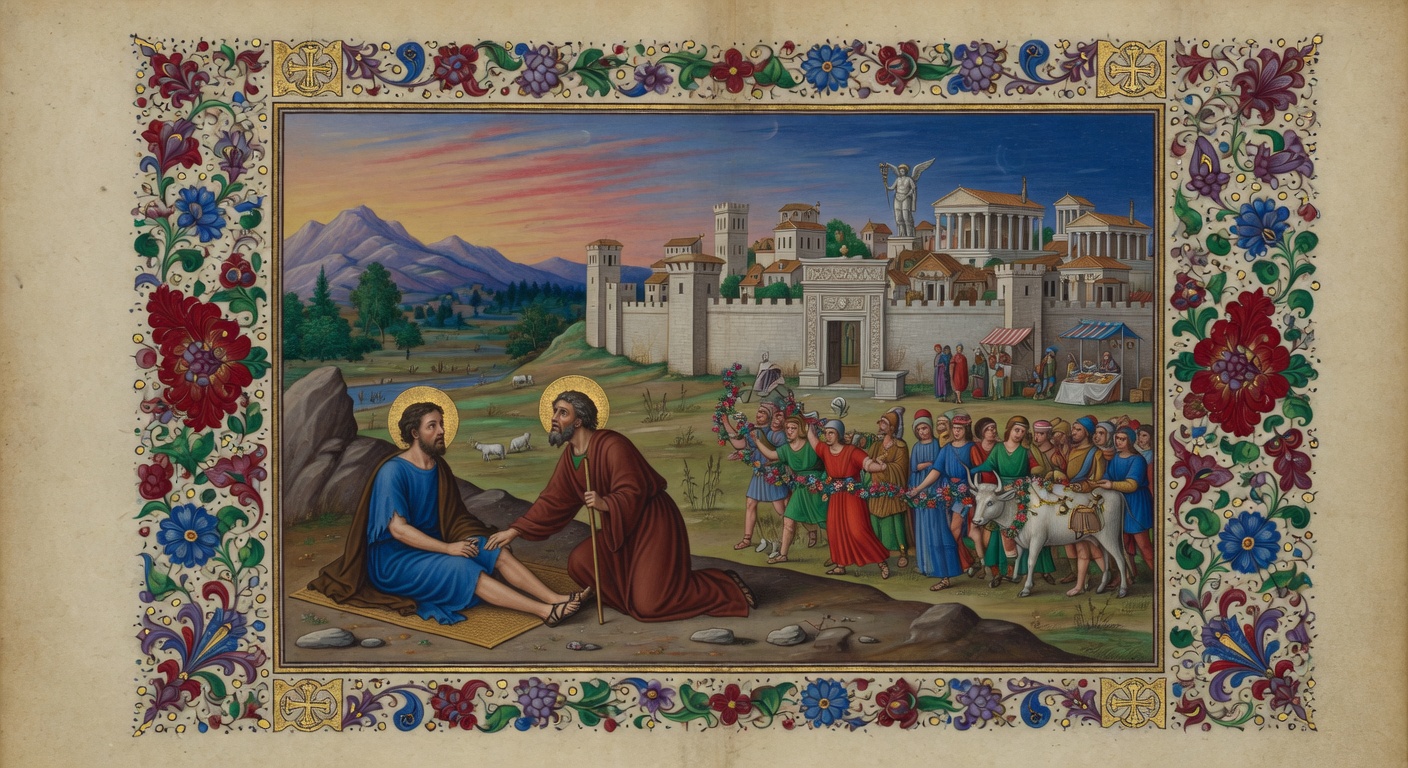
Lystra was a Roman colony in the region of Lycaonia in Asia Minor that Paul and Barnabas visited during the apostle’s first missionary journey. While there, Paul healed a man lame from birth, prompting the local crowd to acclaim the missionaries as the gods Zeus and Hermes and prepare sacrifices in their honor, an act the two men quickly rejected by directing attention to the living God. Opponents soon arrived from nearby cities, inciting the same crowd to stone Paul and drag him outside the walls, though he survived and continued preaching. The city is further remembered as the home of Timothy, whose Jewish-Christian family became a vital link in Paul’s later ministry and is mentioned in the book of Acts and the Pastoral Epistles.
Details
- Region
- Asia Minor
- Modern Location
- Near Hatunsaray, south-central Turkey
Key Passages
Paul Heals a Lame Man
Acts 14:8-18
Paul heals a crippled man at Lystra, and the crowd tries to worship him as a god - revealing both the power of the gospel and the danger of misunderstanding.
 8nd there sat a certain man at Lystra, impotent in his feet, being a cripple from his mother’s womb, who never had walked:
Paul Stoned at Lystra
Acts 14:19-20
The same crowd that tried to worship Paul now stones him - demonstrating the volatility of popular opinion and the cost of faithful ministry.
19nd there came thither certain Jews from Antioch and Iconium, who persuaded the people, and, having stoned Paul, drew him out of the city, supposing he had been dead.
Timothy from Lystra
Acts 16:1-3
Timothy, Paul's most trusted protégé, comes from Lystra - God raises up the next generation of leaders from the very places where the gospel first took root.
 1hen came he to Derbe and Lystra: and, behold, a certain disciple was there, named Timotheus, the son of a certain woman, which was a Jewess, and believed; but his father was a Greek:
Did You Know?
Lystra was a Roman colony in the region of Lycaonia in Asia Minor that Paul and Barnabas visited during the apostle’s first missionary journey.
Opponents soon arrived from nearby cities, inciting the same crowd to stone Paul and drag him outside the walls, though he survived and continued preaching.
The city is further remembered as the home of Timothy, whose Jewish-Christian family became a vital link in Paul’s later ministry and is mentioned in the book of Acts and the Pastoral Epistles.