Rome
Ask about Rome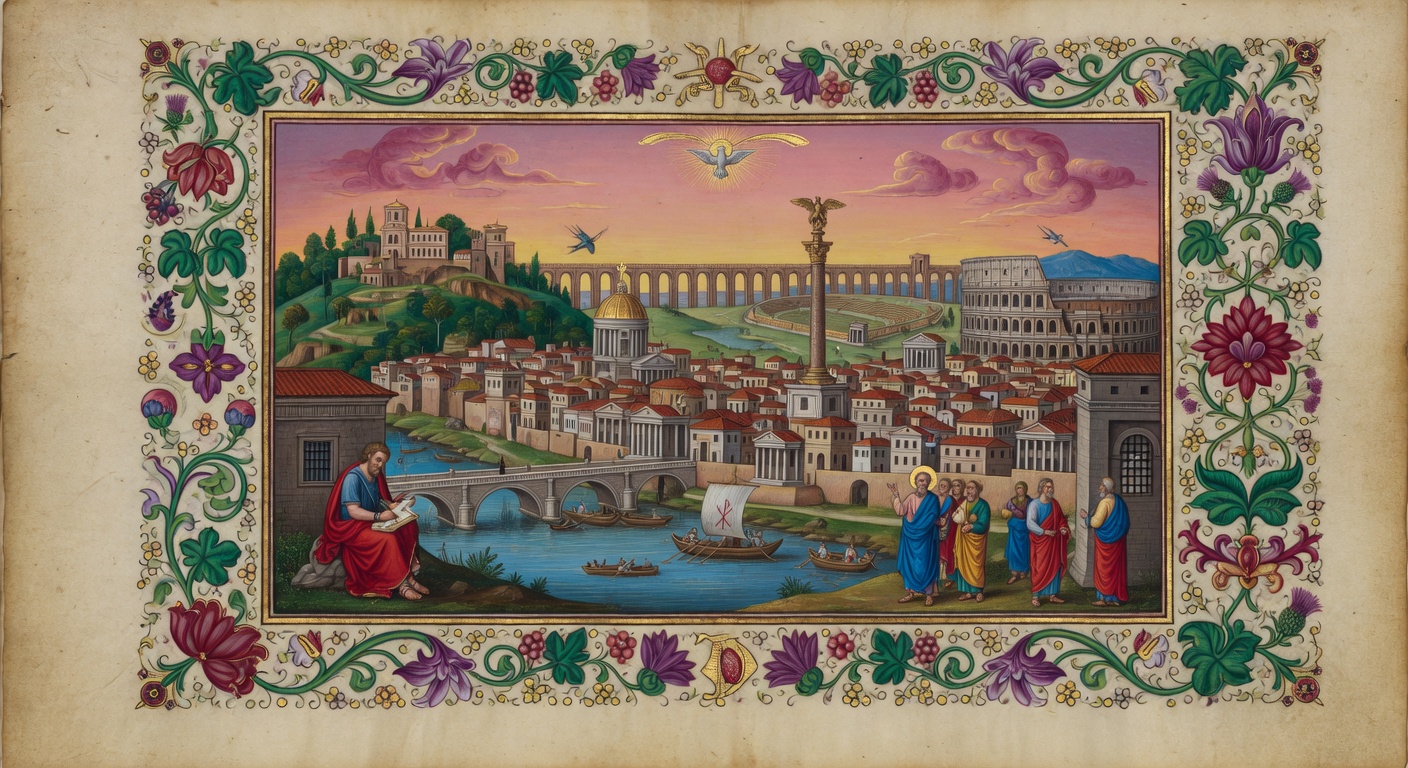
Rome served as the capital of the Roman Empire in the first century AD, functioning as the political and cultural hub from which imperial authority extended across the Mediterranean world. The apostle Paul arrived there as a prisoner around AD 60, living under house arrest while continuing his ministry and composing several New Testament epistles, including Ephesians, Philippians, Colossians, and Philemon. Early Christian tradition also places the apostle Peter in Rome, where he ministered to the growing church before both apostles were martyred during Nero’s persecutions. These events hold significance in Scripture as they illustrate the gospel’s advance to the empire’s center, fulfilling the trajectory outlined in Acts and providing the setting for Paul’s letter to the Romans, which addresses a church already established in the city.
Details
- Region
- Greece/Rome
- Modern Location
- Rome, Italy
Journey Paths
Key Passages
Paul Arrives in Rome
Acts 28:14-16
Paul finally reaches Rome as a prisoner - yet fulfills his long desire to visit the capital, preaching the gospel at the empire's heart.
 14here we found brethren, and were desired to tarry with them seven days: and so we went toward Rome.
Paul Preaches in Rome
Acts 28:30-31
Under house arrest, Paul welcomes all who come and proclaims the kingdom boldly - chains cannot silence the gospel, and Rome hears the message of Christ.
 30nd Paul dwelt two whole years in his own hired house, and received all that came in unto him,
Did You Know?
Paul wrote his letter to the Romans before ever visiting the city.
Tradition holds that both Peter and Paul were martyred in Rome.
The early Roman church met in homes. The first dedicated church buildings came centuries later.