Luke
Ask about Luke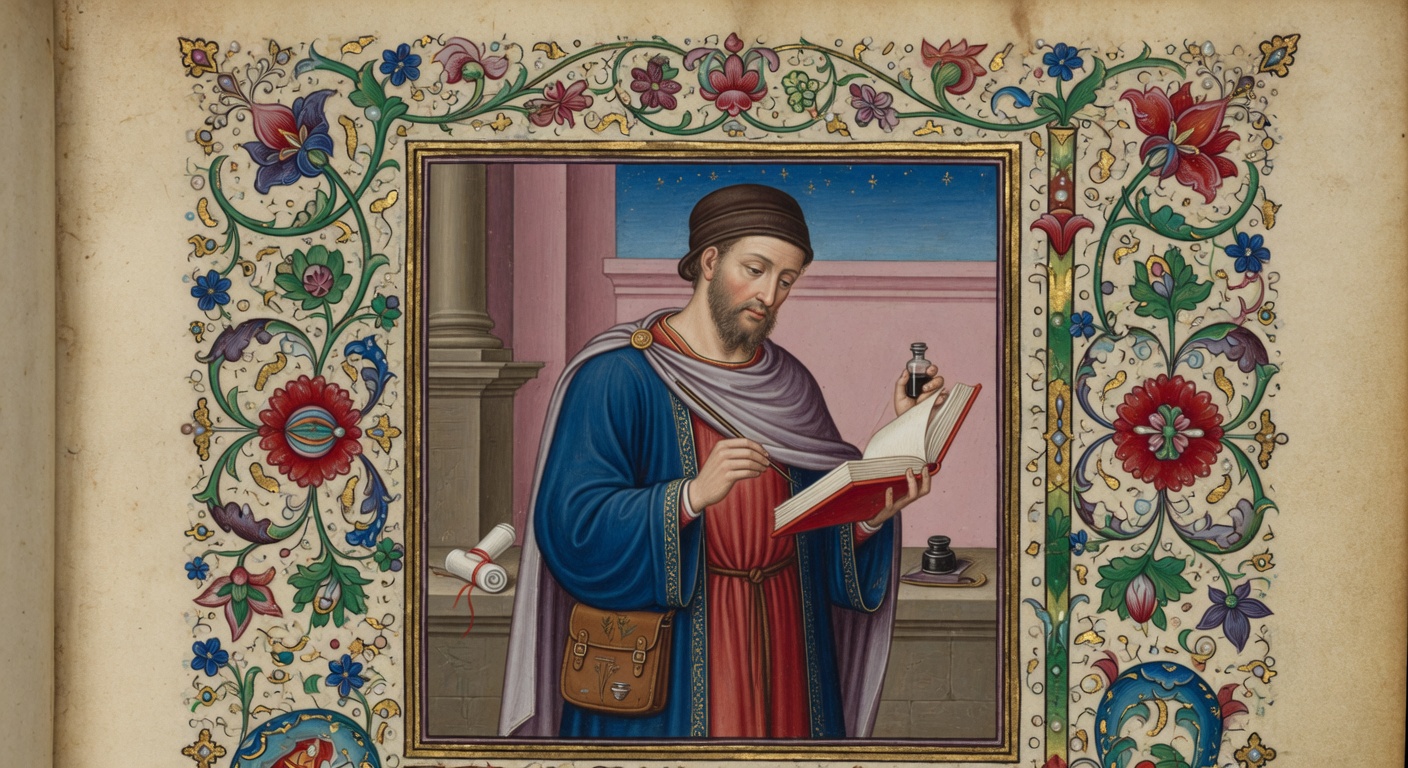
Luke was a first-century physician and a close companion of the apostle Paul during his missionary travels, as evidenced by references in Paul's letters. He authored two major books in the New Testament: the Gospel of Luke, which provides a detailed account of Jesus Christ's life, teachings, death, and resurrection with a focus on compassion for the marginalized, and the Acts of the Apostles, which chronicles the early Christian church and the spread of the gospel through the Holy Spirit. As the only known Gentile writer of Scripture, Luke's works emphasize God's salvation extending to all people, offering valuable historical and theological insights that bridge the Gospels and the epistles. His contributions are significant because they comprise over a quarter of the New Testament and provide eyewitness-informed narratives essential for understanding the foundations of Christianity.
Biography
- Occupation
- Physician, Historian, Author
- Era
- New Testament
- Nationality
- Greek
Did You Know?
Luke demonstrates his medical expertise through precise terminology, such as describing the woman with the issue of blood in Luke 8:43 with the Greek term for a flow that had lasted twelve years, unlike the parallel account in Mark.
The so-called "we" passages beginning in Acts 16:10 indicate that Luke joined Paul's missionary team at Troas and accompanied him on the voyage to Macedonia, providing an eyewitness perspective on key events.
Luke alone records the formal preface in Luke 1:1-4, where he states he carefully investigated everything from the beginning and wrote an orderly account based on eyewitness testimony, mirroring the methods of ancient Greco-Roman historians.
Early Christian tradition and the "we" sections align with the view that Luke, a Gentile from Antioch, was Paul's companion during the apostle's imprisonment in Rome, as referenced in 2 Timothy 4:11.
Acts 27 contains one of the most detailed surviving accounts of first-century Mediterranean navigation, including specific references to the ship drifting for fourteen days and the sailors' attempts to sound the depth, reflecting Luke's presence aboard.
Key Chapters
Key Passages
Luke Joins Paul
Acts 16:10-13
The narrative shifts to 'we' as Luke joins Paul's missionary team - a physician becoming a historian of the early church and author of the most detailed Gospel account.
 10nd after he had seen the vision, immediately we endeavoured to go into Macedonia, assuredly gathering that the Lord had called us for to preach the gospel unto them.
Paul's Beloved Physician
Colossians 4:14
Paul's affectionate reference to Luke as 'the beloved physician' reveals the value of practical care and loyal companionship in ministry.
 14uke, the beloved physician, and Demas, greet you.
Luke Stays with Paul
2 Timothy 4:11
When others abandon Paul in his final imprisonment, Luke remains - demonstrating the faithfulness that characterizes true friendship in the darkest hours.
 11nly Luke is with me. Take Mark, and bring him with thee: for he is profitable to me for the ministry.