The Handwriting on the Wall

In the middle of a drunken feast, the fingers of a man's hand appeared and wrote four words on the palace wall. By morning the king was dead and his kingdom gone.
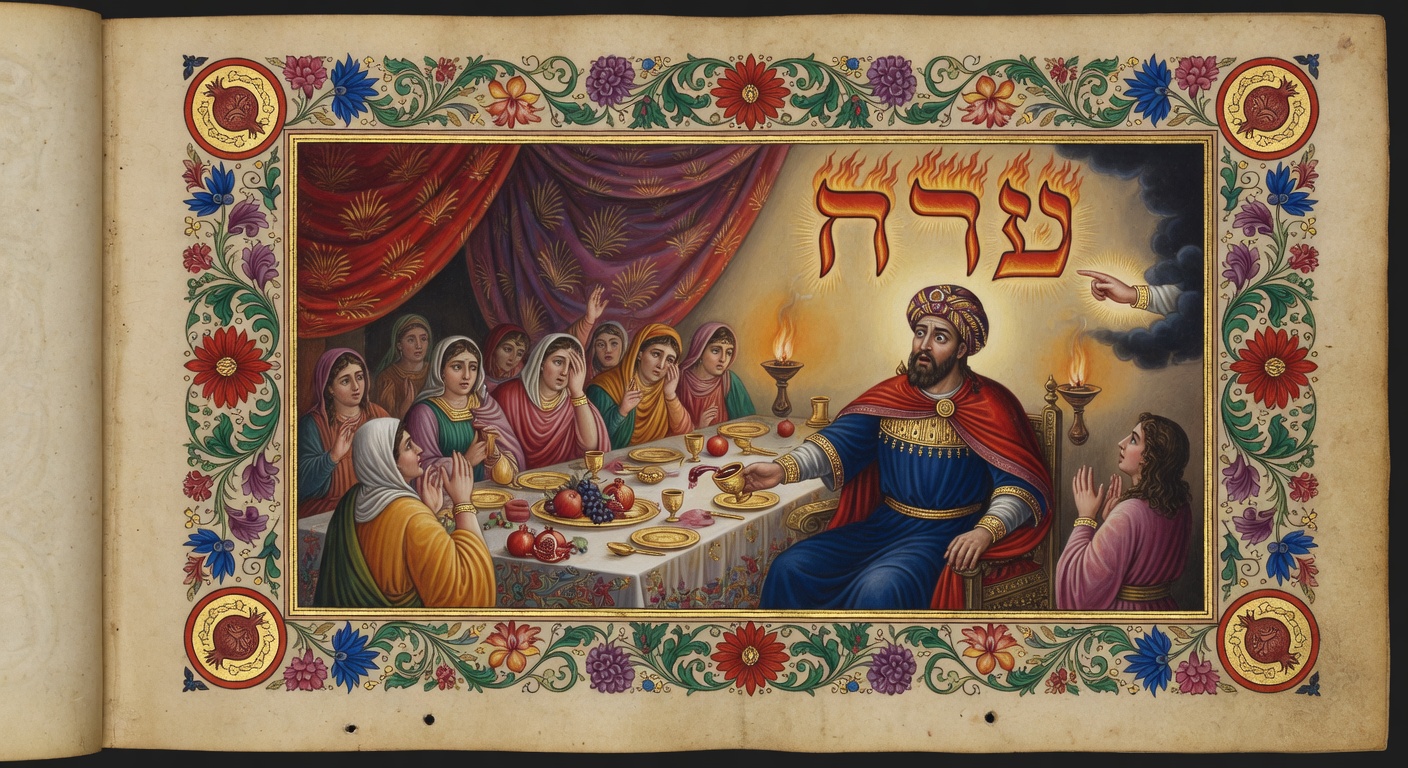
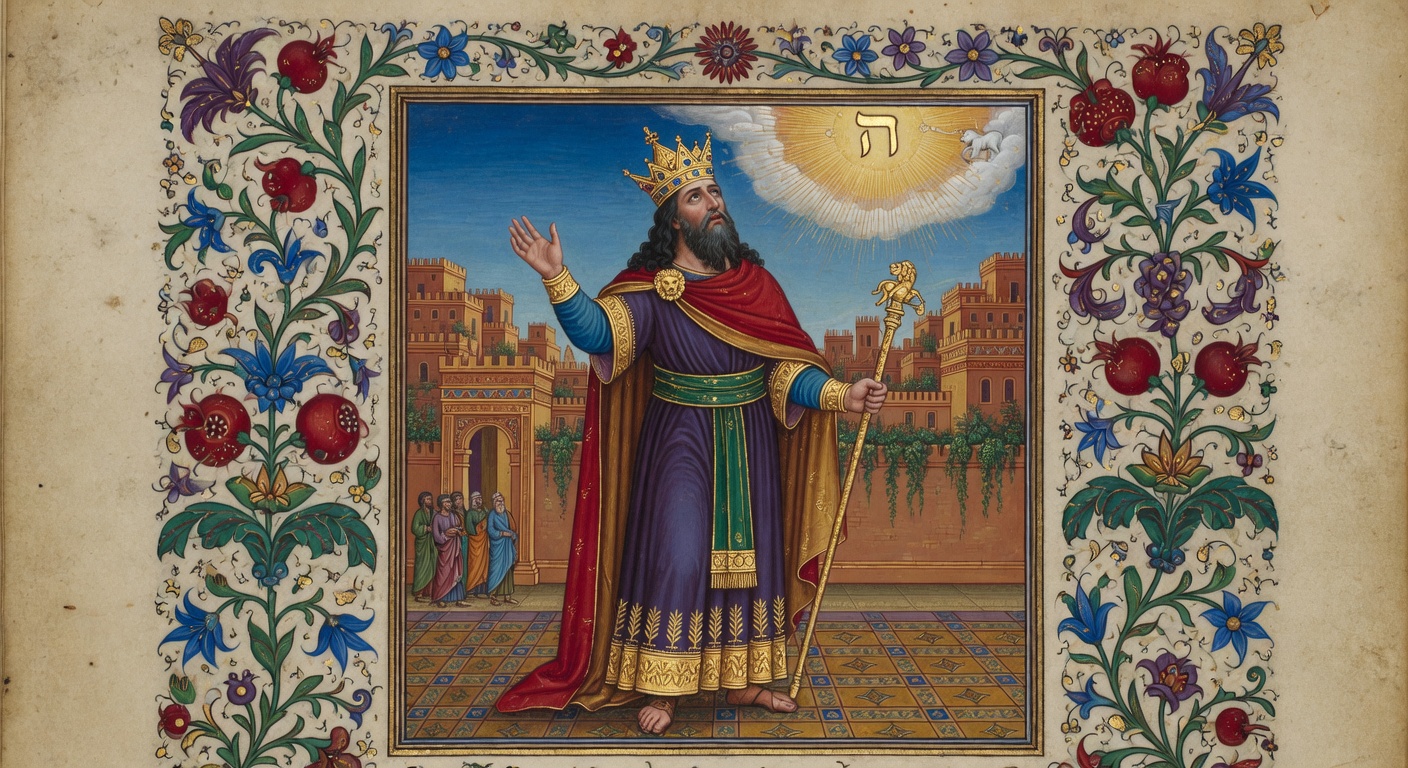
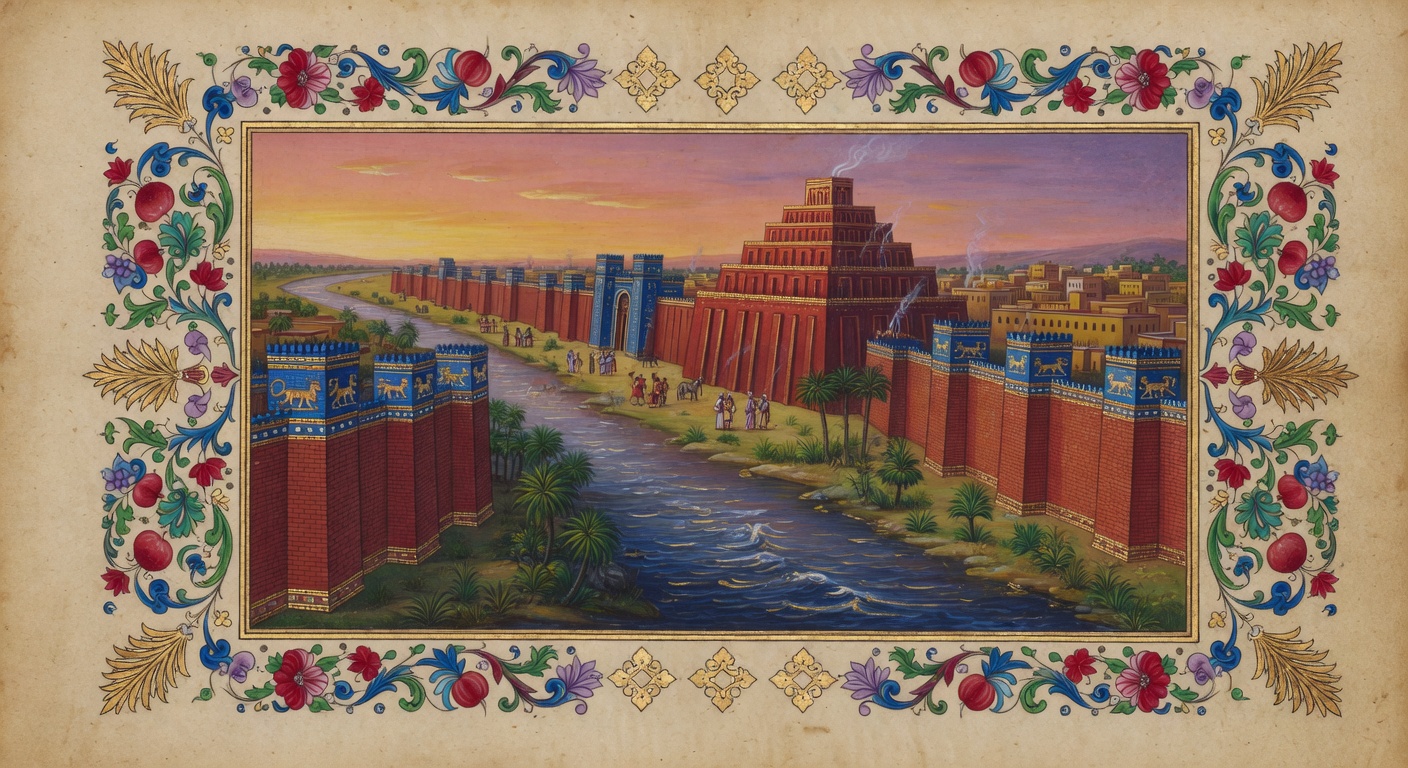
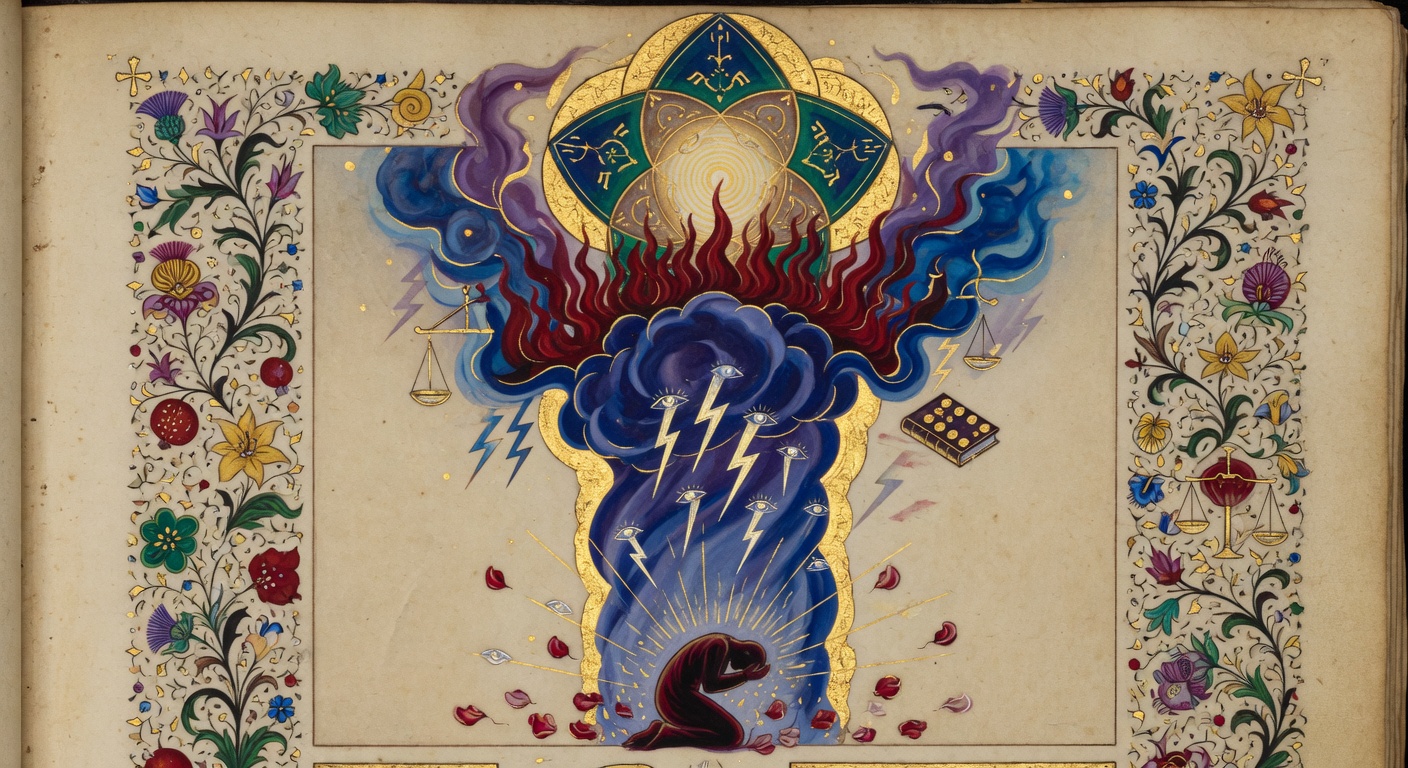
During a great feast for a thousand of his lords, Belshazzar king of Babylon drank wine from the gold and silver vessels taken from the temple in Jerusalem while his guests praised gods of gold, silver, brass, iron, wood, and stone. In the same hour the fingers of a man's hand appeared and wrote on the plaster of the palace wall. None of the king's wise men could read it, so Daniel was brought in. He reminded Belshazzar of how God had humbled Nebuchadnezzar, then read the words MENE, MENE, TEKEL, UPHARSIN: the kingdom had been numbered and finished, the king weighed and found wanting, and his kingdom given to the Medes and Persians. That same night Belshazzar was slain.
Details
- Category
- Judgment
- Testament
- Old Testament
- Performed by
- God
Key Chapters
Key Passages
The Fingers of a Man's Hand
Daniel 5:1-9
Belshazzar's proud feast with the temple vessels is interrupted by a hand writing on the wall, and the king's knees knock together in fear.
 1elshazzar the king made a great feast to a thousand of his lords, and drank wine before the thousand.
Weighed in the Balances
Daniel 5:22-31
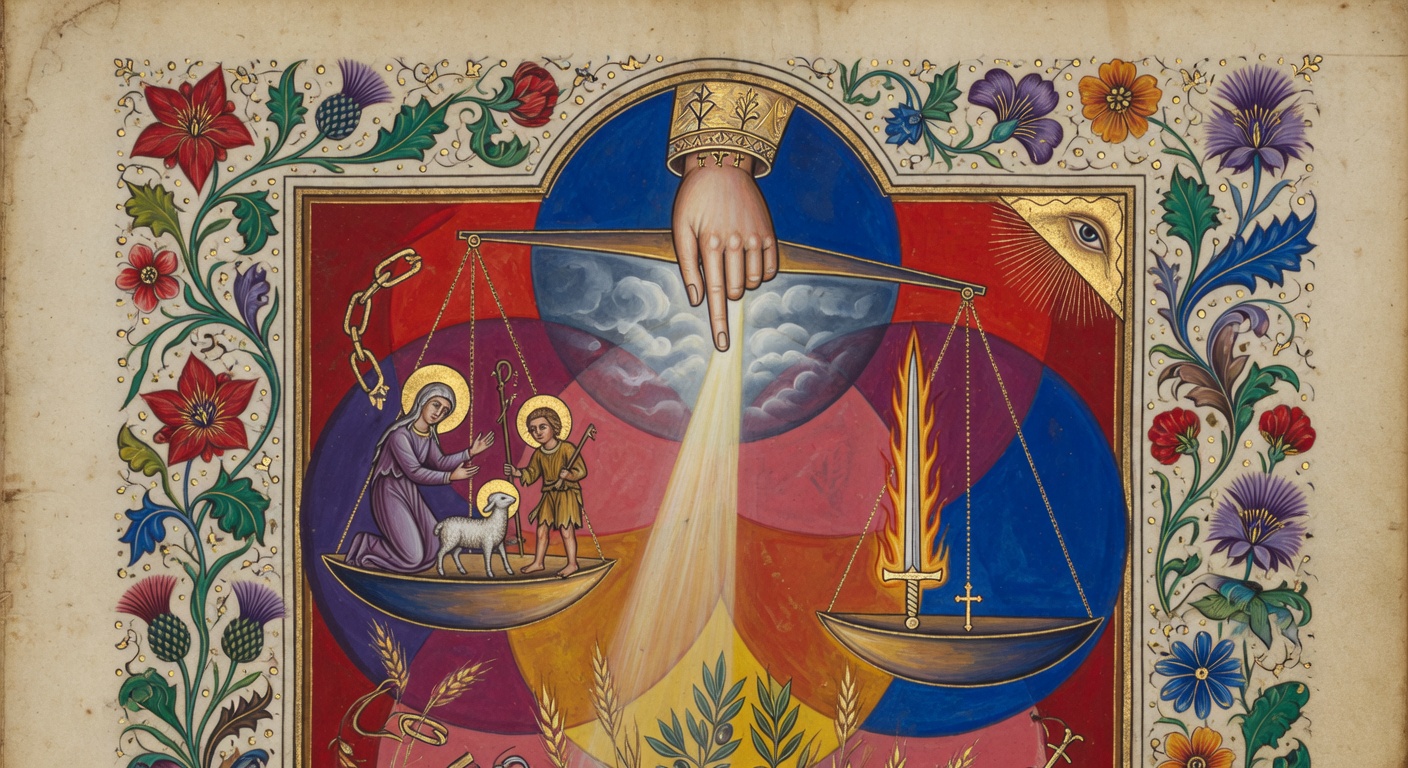
Daniel reads God's verdict on a king who would not humble his heart, and the judgment falls that same night.
 22nd thou his son, O Belshazzar, hast not humbled thine heart, though thou knewest all this;
Explore Related

Did You Know?
Belshazzar offered to make the interpreter 'the third ruler in the kingdom'.
Mene, tekel, and peres are Aramaic words connected with weights and measures, fitting the verdict 'weighed in the balances'.
Daniel refused the king's gifts but read the writing anyway.
The phrase 'the writing on the wall' entered everyday language from this chapter.