El Olam
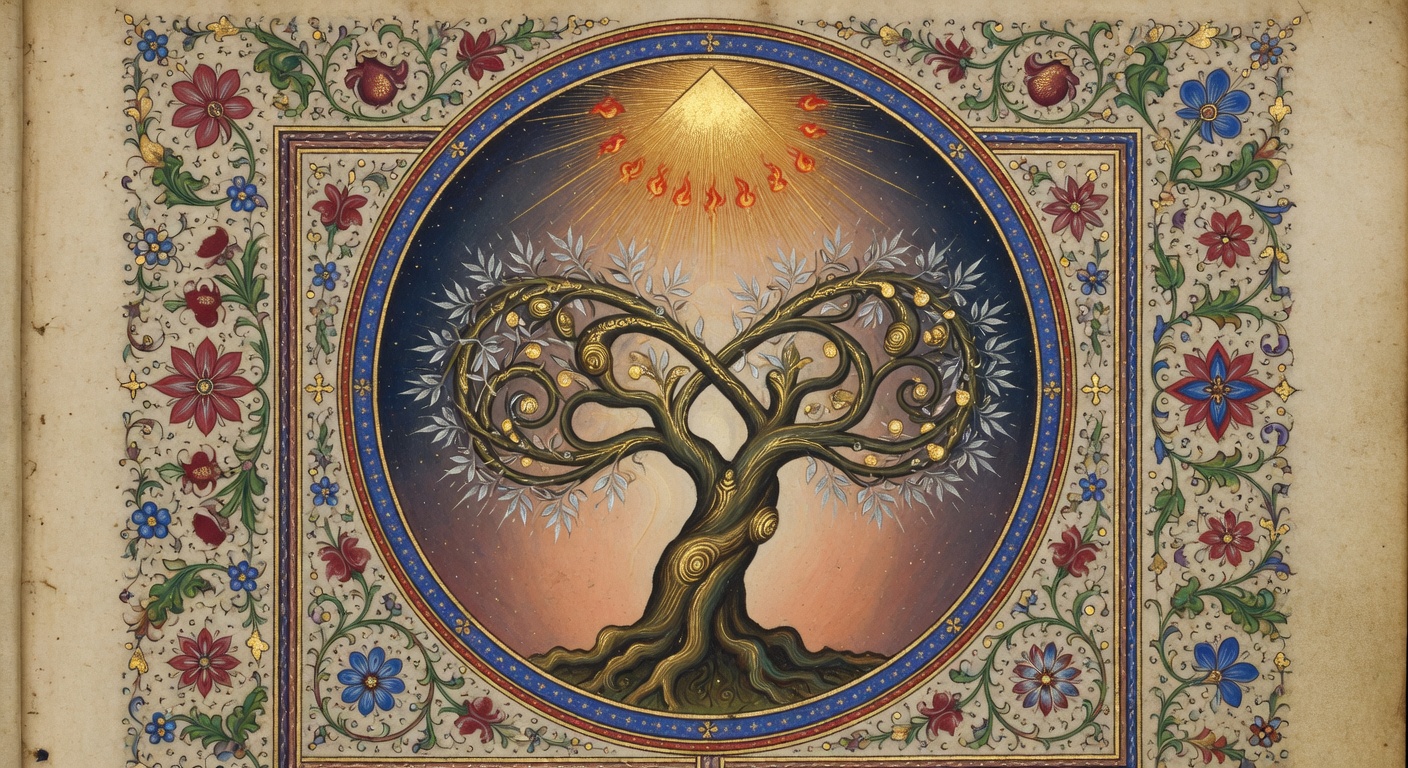
The Everlasting God - Abraham planted a tree in Beersheba and called on El Olam, the God who was before time began and will remain when time ends.
El Olam (אֵל עוֹלָם) means 'The Everlasting God,' first used in Genesis 21:33 when Abraham called on the LORD at Beersheba. The Hebrew 'olam' signifies time beyond comprehension - without beginning or end. Isaiah 40:28 declares this God does not grow weary. This name reveals God's eternal, unchanging nature, offering permanent security to those who trust in the One who transcends all time.
Meaning: The Everlasting God
First Usage: Genesis 21:33
Key Chapters
Key Passages
Abraham Calls on El Olam
Genesis 21:33
Abraham's worship of El Olam reminds us that our faithful God reigns eternally, offering lasting security to all who trust Him.
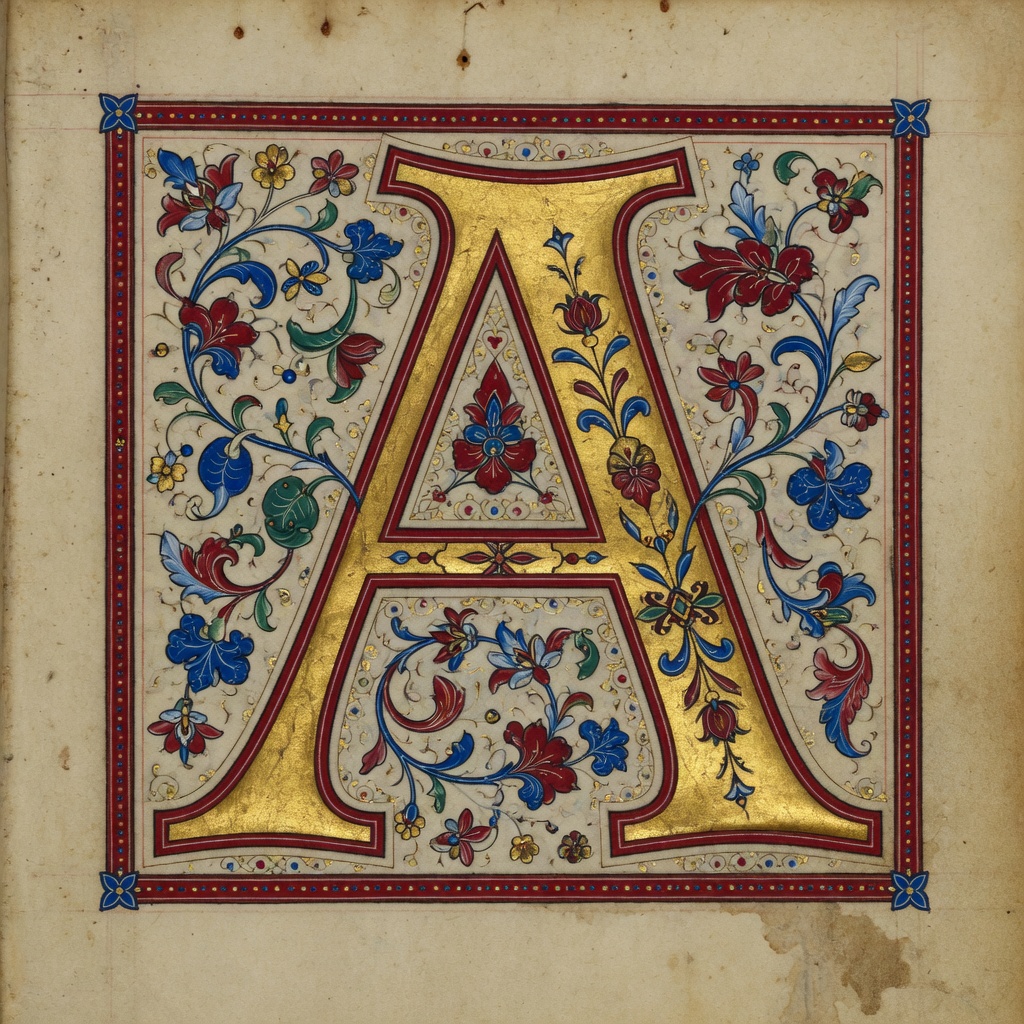 33nd Abraham planted a grove in Beersheba, and called there on the name of the LORD, the everlasting God.
Everlasting God
Isaiah 40:28-31
This passage teaches that our everlasting God lovingly renews strength for all who wait on Him when they feel weary.
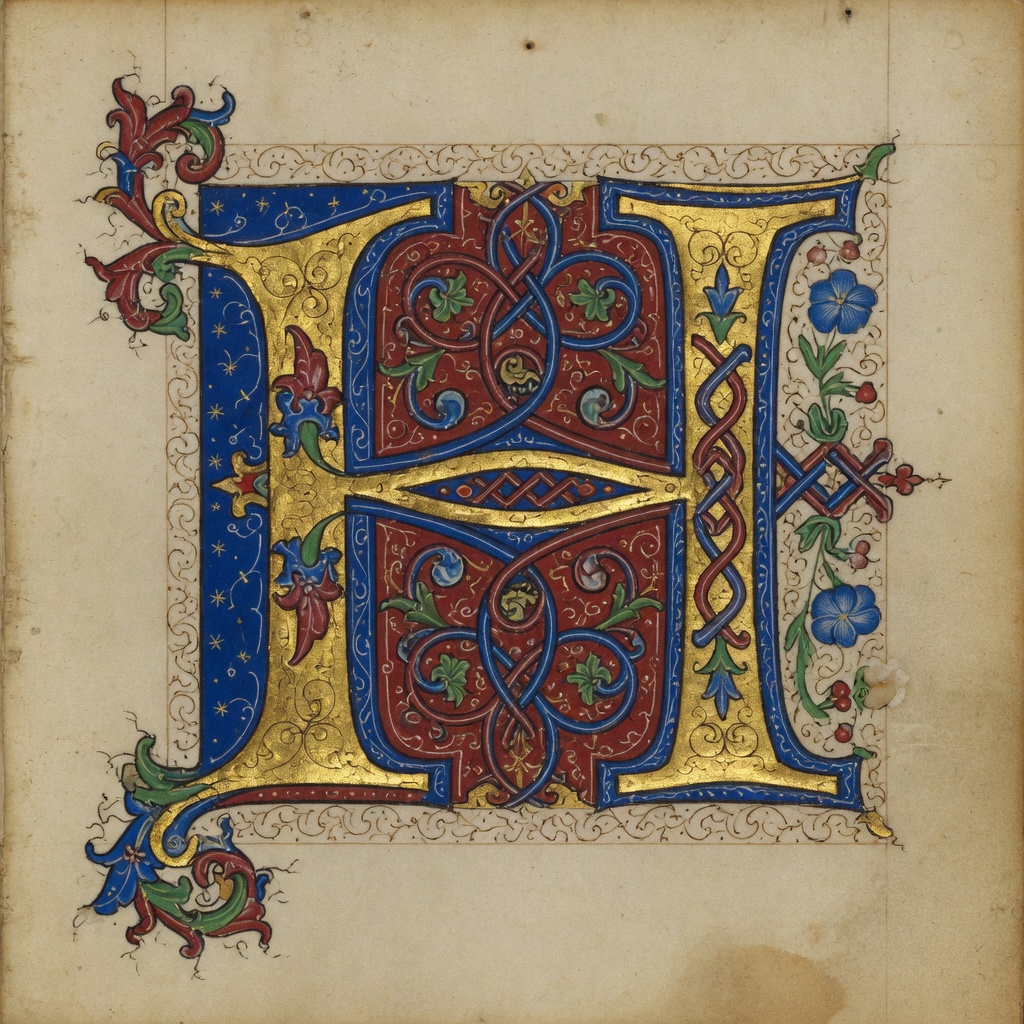 28ast thou not known? hast thou not heard, that the everlasting God, the LORD, the Creator of the ends of the earth, fainteth not, neither is weary? there is no searching of his understanding.
Did You Know?
El Olam means "The Everlasting God." The name appears when Abraham plants a tamarisk tree at Beersheba. The God who made the covenant is the God who will keep it forever.
Human promises expire. Human strength fails. The Everlasting God does not grow weary or change His mind. The name is an anchor in a world of shifting sand.
From everlasting to everlasting, He is God. The name El Olam is the answer to the fear that time will run out on God's faithfulness. It will not.