Jah (Yah)

The short, poetic form of God's covenant name - sung in every Hallelujah.
Jah, or Yah (יָהּ), is a short, poetic form of God's covenant name Yahweh. The KJV prints it as a name only once: 'extol him that rideth upon the heavens by his name JAH, and rejoice before him' (Psalm 68:4). Elsewhere it is translated LORD, as in Moses' song at the Red Sea, 'The LORD is my strength and song' (Exodus 15:2), and in Isaiah's 'the LORD JEHOVAH.' Most familiar of all, it is the last syllable of Hallelujah, 'praise ye Yah,' which the KJV translates 'Praise ye the LORD' and which echoes in heaven as 'Alleluia' in Revelation 19.
Meaning: The LORD - a short, poetic form of Yahweh
First Usage: Exodus 15:2
Key Chapters
Key Passages
By His Name JAH
Psalms 68:4-5
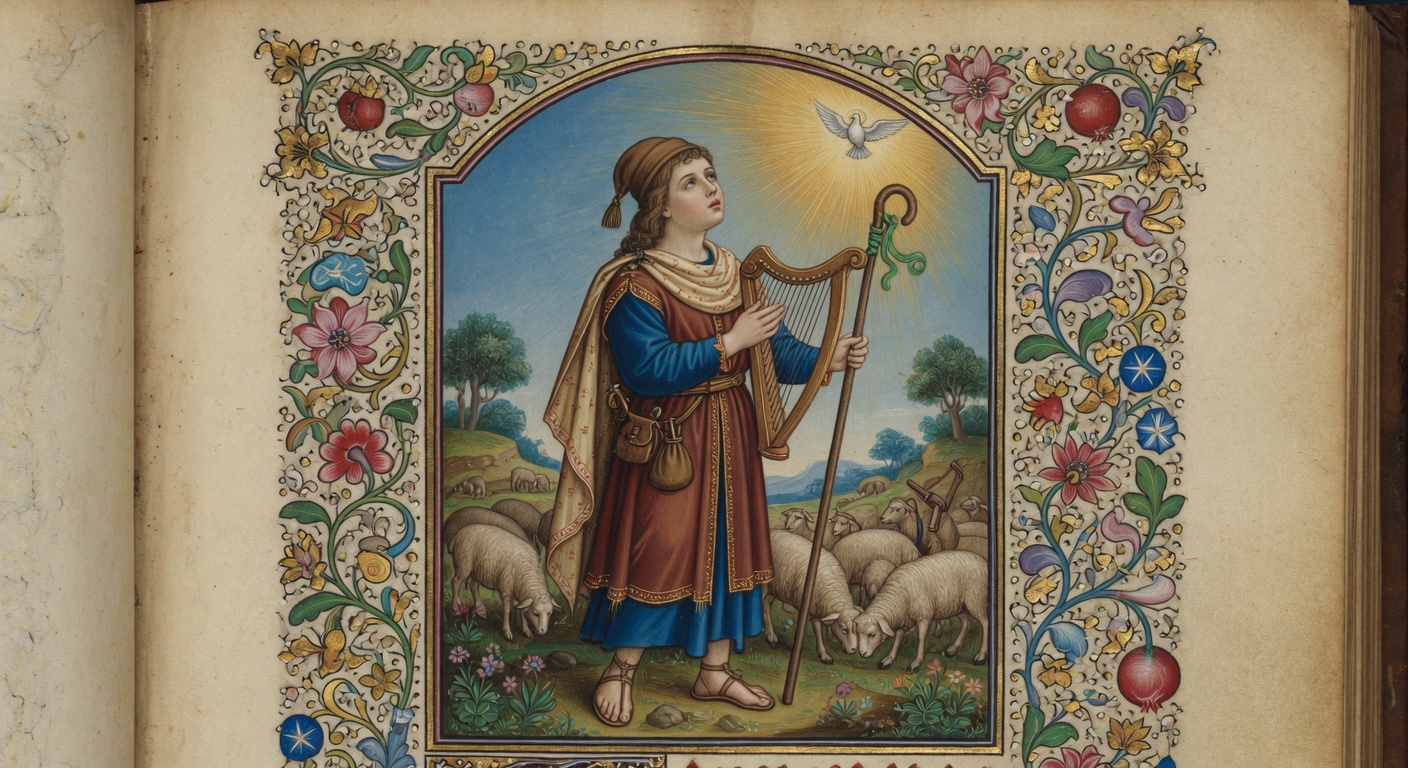
This passage calls for joyful praise to the God who rides upon the heavens and yet cares for the fatherless and the widow.
 4ing unto God, sing praises to his name: extol him that rideth upon the heavens by his name JAH, and rejoice before him.
Alleluia
Revelation 19:4-6
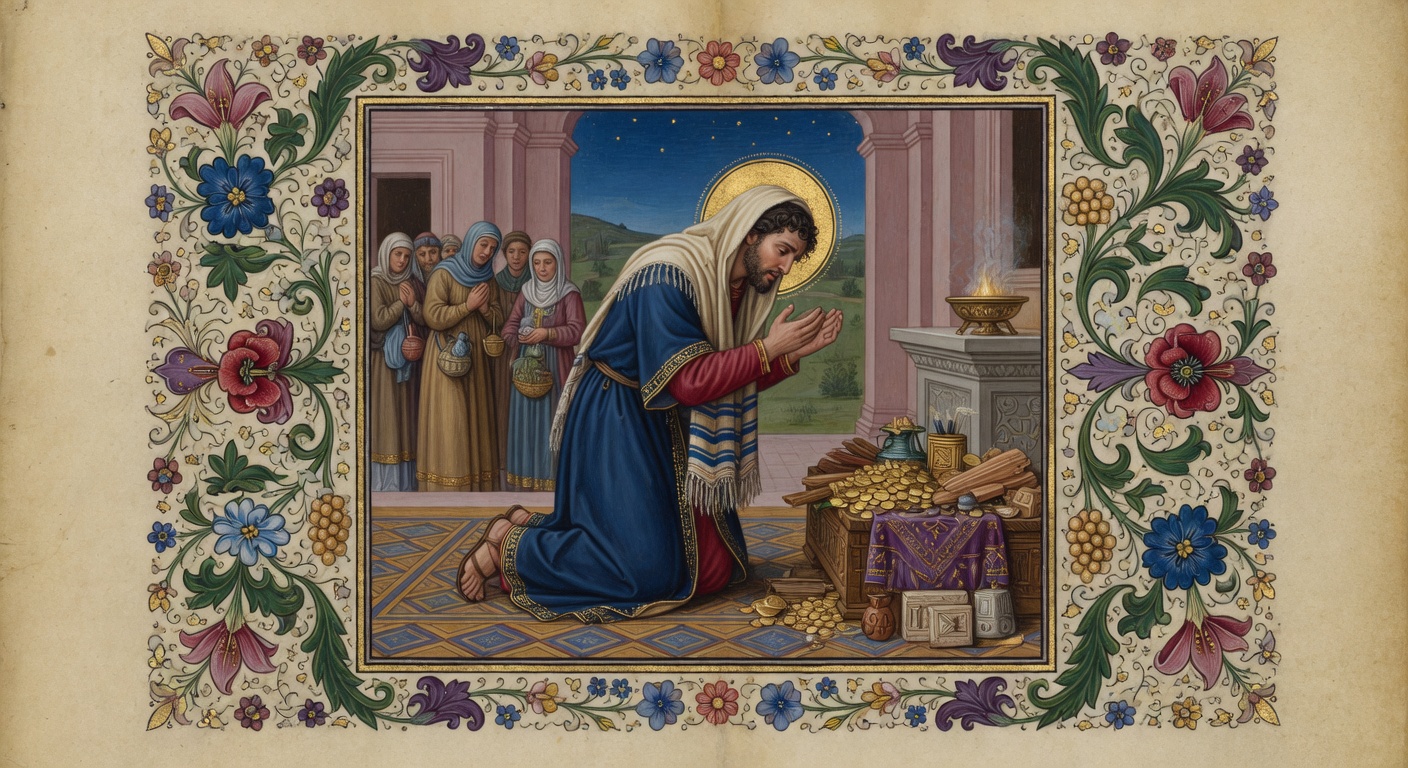
Heaven's worship rings with Alleluia - praise to Yah - because the Lord God omnipotent reigns.
 4nd the four and twenty elders and the four beasts fell down and worshipped God that sat on the throne, saying, Amen; Alleluia.
Explore Related


Did You Know?
Jah is a shortened form of Yahweh. The KJV prints it as a name only once, in Psalm 68:4. Everywhere else the translators rendered it LORD.
Hallelujah means "praise ye Yah." In the Psalms the KJV translates it "Praise ye the LORD." Revelation 19 keeps the Greek form, Alleluia, four times.
Psalm 68 joins the name to tenderness. The One who rides upon the heavens is "a father of the fatherless, and a judge of the widows." The mighty God draws near to the vulnerable.