The Wheat and the Tares
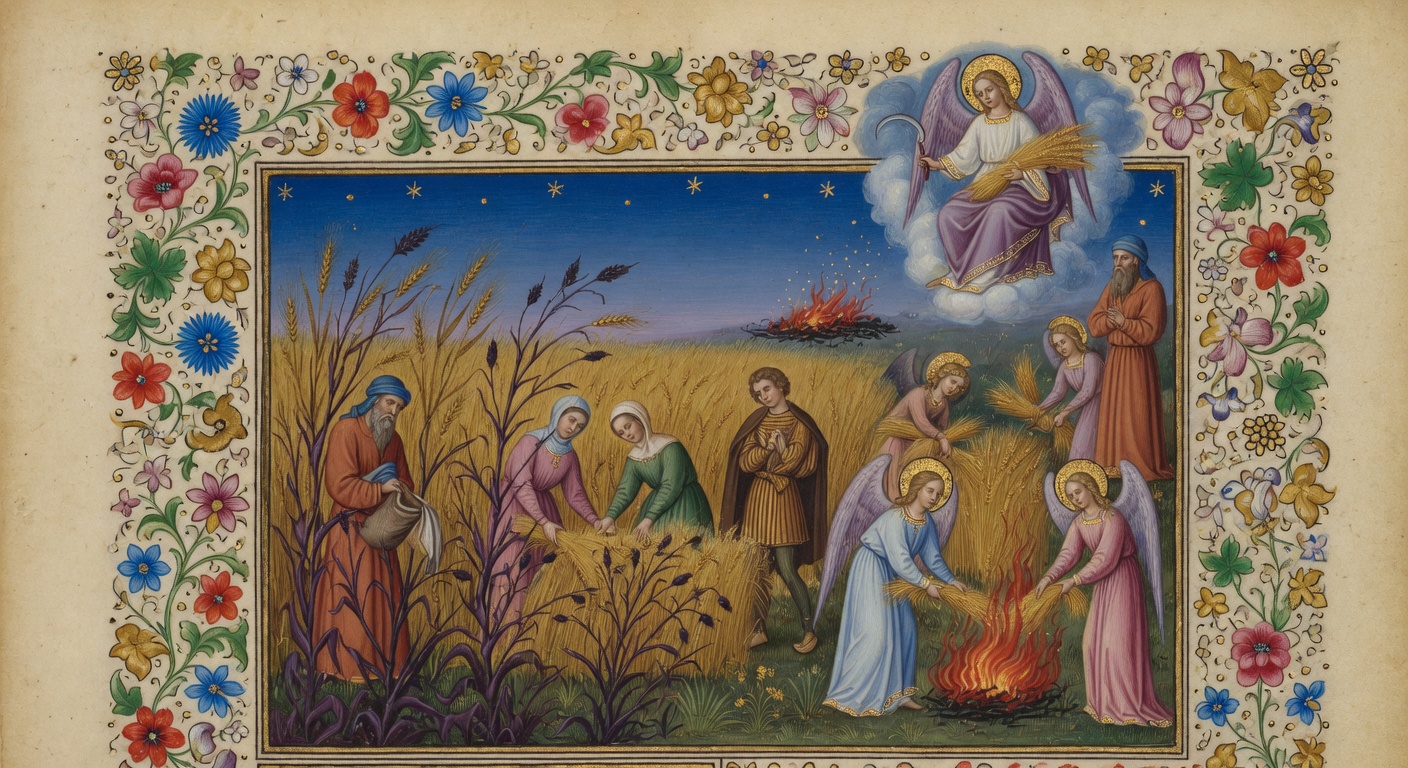
Jesus tells of a man who sows wheat in his field but whose enemy comes by night and sows tares among the good seed. Though the servants want to remove the weeds at once the owner commands that both be left to grow until the harvest when the tares are burned and the wheat is safely stored.
Jesus tells of a man who sows wheat in his field but whose enemy comes by night and sows tares among the good seed. Though the servants want to remove the weeds at once the owner commands that both be left to grow until the harvest when the tares are burned and the wheat is safely stored. This parable of the kingdom shows how good and evil coexist until the final judgment when God separates the righteous from the wicked.
Category: Kingdom of God
Meaning: Good and evil coexist until the final judgment when God will separate them.
Audience: Crowds
Key Chapters
Key Passages
The Parable
Matthew 13:24-30
This parable reassures us that God allows good and evil to coexist until His perfect judgment separates them with care.
 24nother parable put he forth unto them, saying, The kingdom of heaven is likened unto a man which sowed good seed in his field:
Explanation
Matthew 13:36-43
This passage reassures us that God patiently allows good and evil to coexist now, but promises a final, perfect separation and reward at the end.
 36hen Jesus sent the multitude away, and went into the house: and his disciples came unto him, saying, Declare unto us the parable of the tares of the field.
Did You Know?
Tares (darnel) look identical to wheat until harvest. You cannot tell them apart while growing.
Pulling tares early would uproot wheat too. Their roots intertwine underground.
This parable teaches patience with evil in the world until God's final judgment.