Aloes

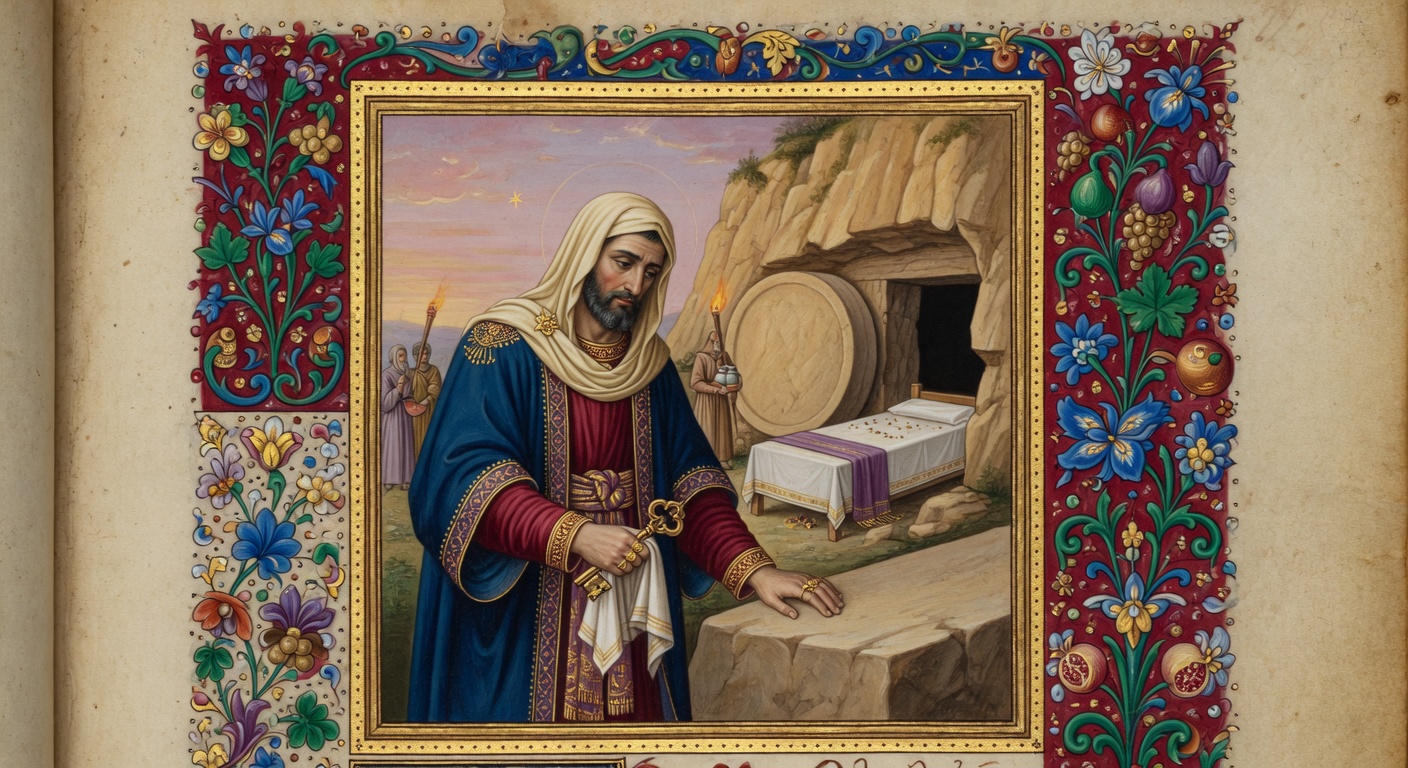
Biblical aloes were a costly, fragrant substance, often named with myrrh and cinnamon as a perfume for garments and beds. Many scholars think the aloes of the Old Testament were aloeswood, an aromatic tree from southern Asia, while some think the aloes Nicodemus brought may have been the succulent aloe plant; the evidence is not certain. Balaam pictured Israel's tents spreading out 'as the trees of lign aloes which the LORD hath planted.' At Jesus' burial Nicodemus brought 'a mixture of myrrh and aloes, about an hundred pound weight,' an extravagant gift of honor.
Key Passages
Myrrh and Aloes for His Burial
John 19:38-40
Nicodemus, who once came to Jesus by night, now openly honors his body with costly spices.
 38nd after this Joseph of Arimathaea, being a disciple of Jesus, but secretly for fear of the Jews, besought Pilate that he might take away the body of Jesus: and Pilate gave him leave. He came therefore, and took the body of Jesus.
Myrrh, and Aloes, and Cassia
Psalms 45:6-8
A royal wedding psalm pictures the anointed king's garments fragrant with aloes, a psalm Hebrews applies to Christ.
 6hy throne, O God, is for ever and ever: the sceptre of thy kingdom is a right sceptre.
Explore Related


Did You Know?
Aloes are mentioned only five times in the KJV.
Psalm 45, a royal wedding song, says the king's garments smell of 'myrrh, and aloes, and cassia.'
Hebrews 1:8-9 applies the same psalm to Christ.
Nicodemus is the same man who first came to Jesus by night in John 3.