Hagar and Ishmael Sent Away

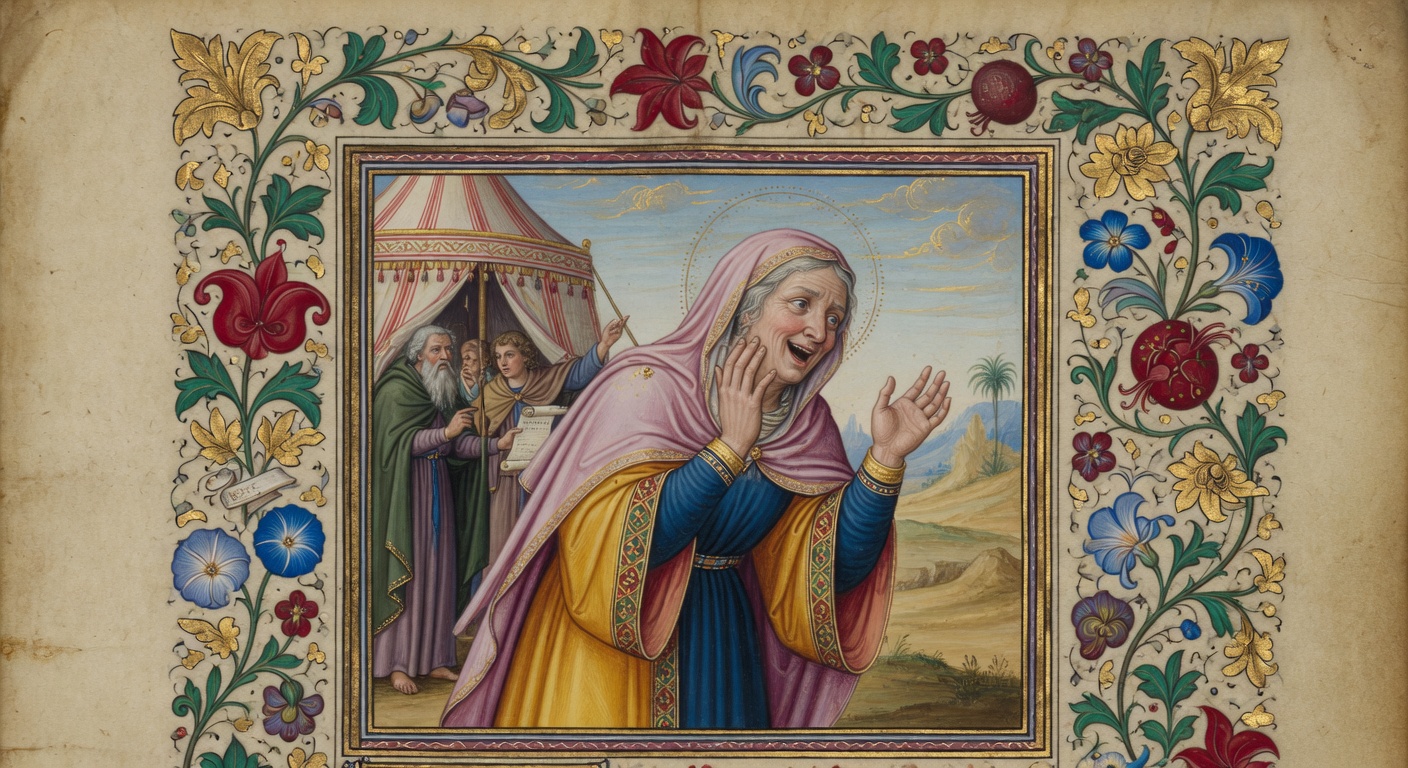
Illustration of Hagar and Ishmael Sent Away
Era
Patriarchs
Date
c. 2063 BC ≈ Approximate
Reference
Genesis 21:8-21
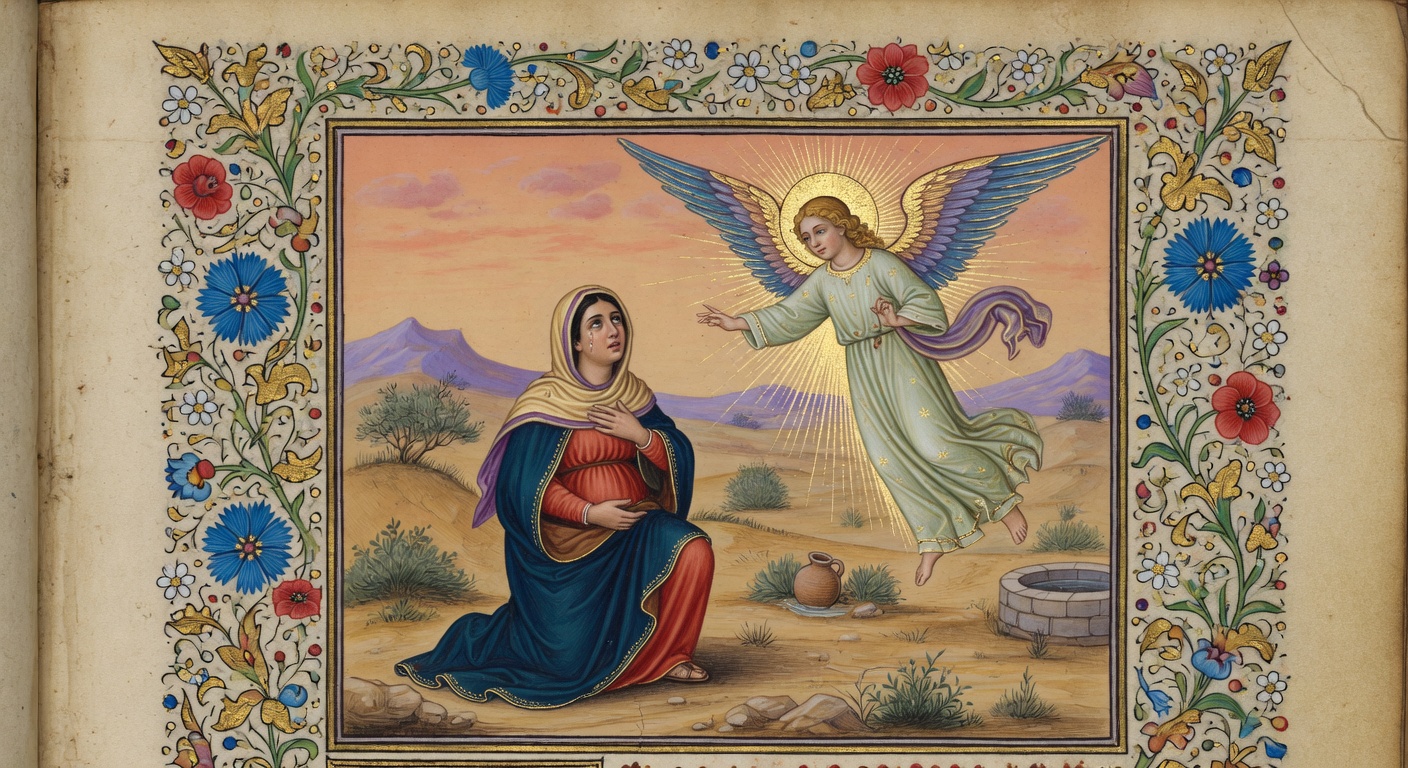
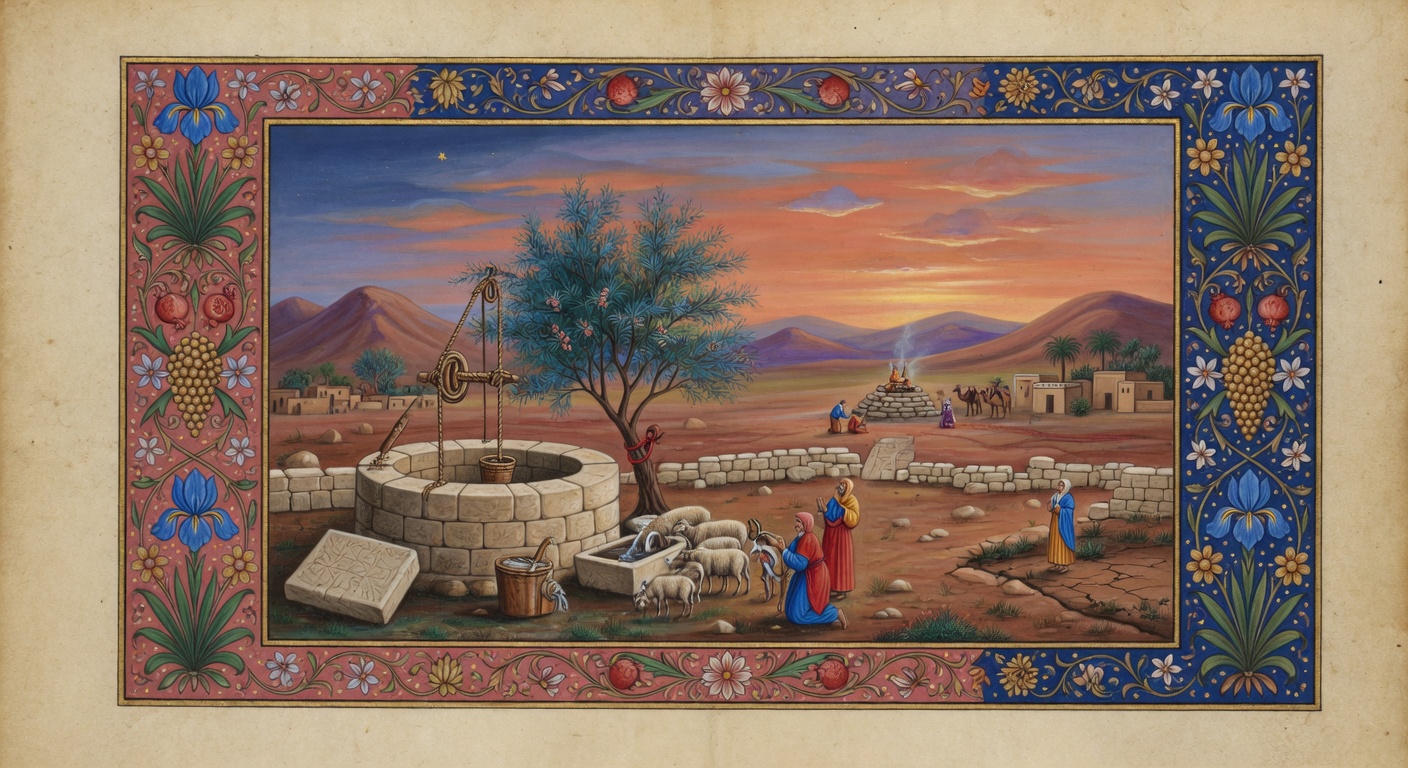
Sent into the desert with bread and a bottle of water, Hagar wept over her dying son, until God opened her eyes to a well.

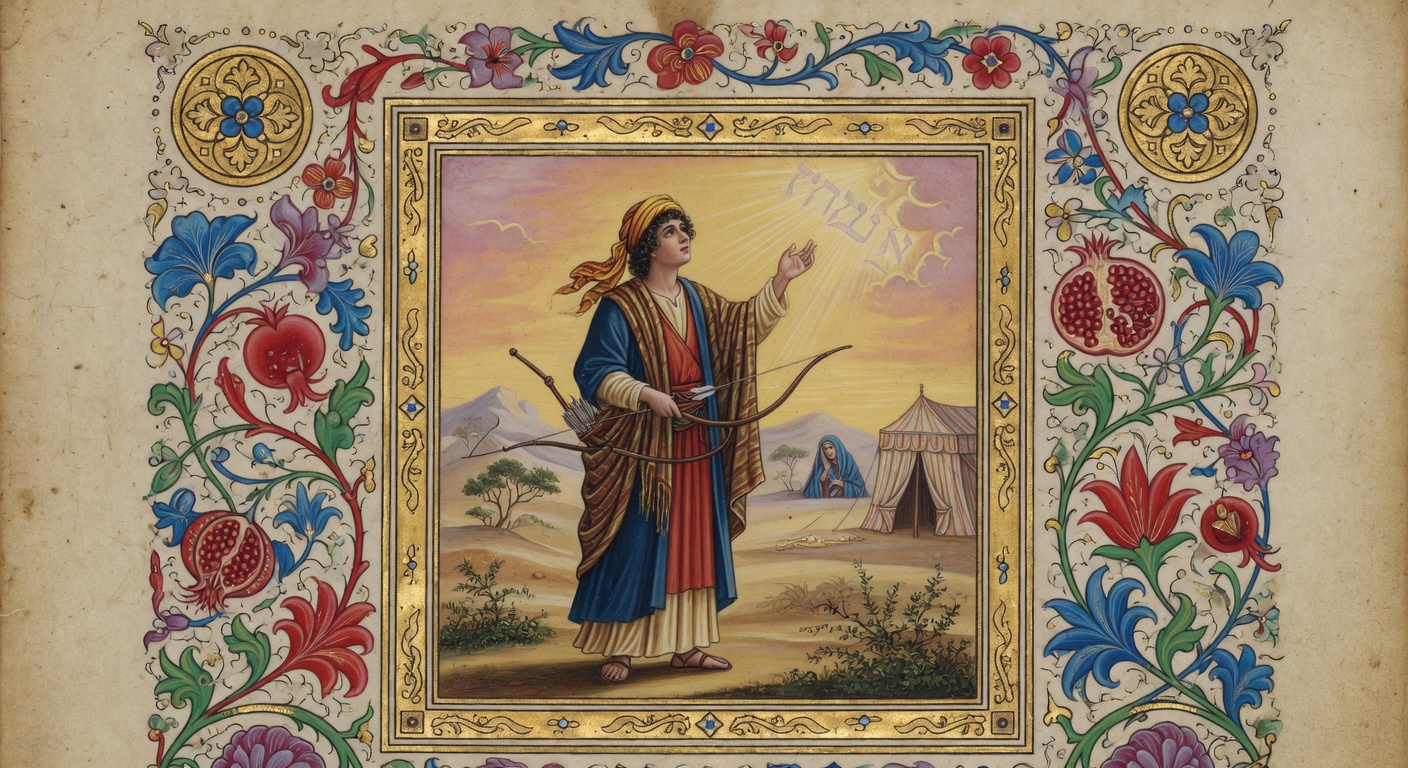
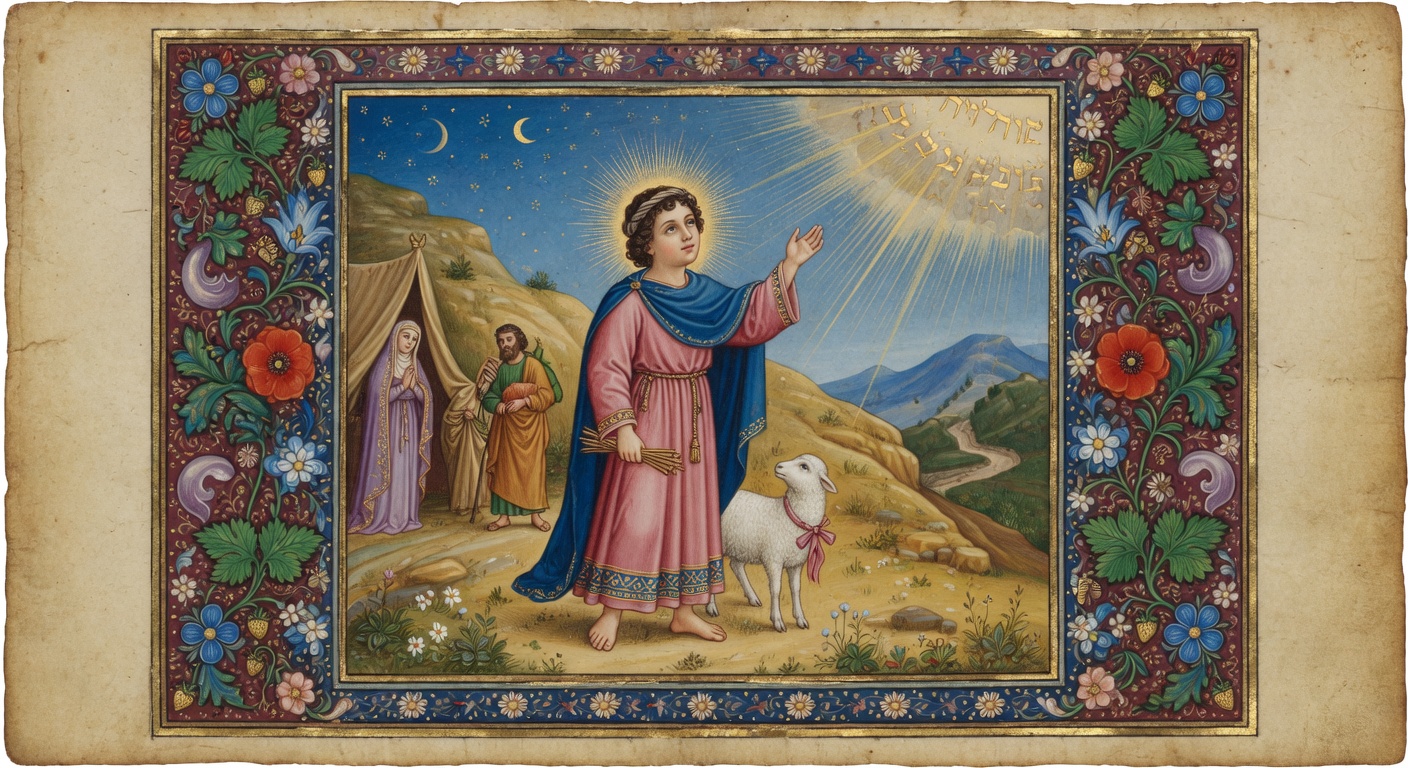
At the great feast Abraham made on the day Isaac was weaned, Sarah saw Ishmael, the son of Hagar the Egyptian, mocking, and she demanded that Abraham cast out the bondwoman and her son. The thing was very grievous in Abraham's sight, but God told him to hearken to Sarah, for in Isaac his seed would be called, and promised that He would also make a nation of Ishmael. Early the next morning Abraham gave Hagar bread and a bottle of water and sent her away, and she wandered in the wilderness of Beersheba until the water was spent. Unable to watch her son die, she laid him under a shrub and wept, but 'God heard the voice of the lad,' opened her eyes to a well of water, and promised to make him a great nation. Ishmael grew up in the wilderness of Paran and became an archer.

0:00

Did You Know?

1

This was the second time Hagar met God in the wilderness; years earlier she had called Him 'Thou God seest me.'

2

God promised to make Ishmael a nation twice in this passage, once to Abraham and once to Hagar.

3

Ishmael's mother took him a wife out of the land of Egypt, her own homeland.

4

Paul later uses Hagar and Sarah as an allegory of two covenants in Galatians 4.

Key Passage

Hagar and Ishmael Sent Away

Genesis 21:8-21
A8nd the child grew, and was weaned: and Abraham made a great feast the same day that Isaac was weaned.

9 And Sarah saw the son of Hagar the Egyptian, which she had born unto Abraham, mocking. 10 Wherefore she said unto Abraham, Cast out this bondwoman and her son: for the son of this bondwoman shall not be heir with my son, even with Isaac. 11 And the thing was very grievous in Abraham’s sight because of his son. 12 And God said unto Abraham, Let it not be grievous in thy sight because of the lad, and because of thy bondwoman; in all that Sarah hath said unto thee, hearken unto her voice; for in Isaac shall thy seed be called. 13 And also of the son of the bondwoman will I make a nation, because he is thy seed. 14 And Abraham rose up early in the morning, and took bread, and a bottle of water, and gave it unto Hagar, putting it on her shoulder, and the child, and sent her away: and she departed, and wandered in the wilderness of Beersheba. 15 And the water was spent in the bottle, and she cast the child under one of the shrubs. 16 And she went, and sat her down over against him a good way off, as it were a bow shot: for she said, Let me not see the death of the child. And she sat over against him, and lift up her voice, and wept. 17 And God heard the voice of the lad; and the angel of God called to Hagar out of heaven, and said unto her, What aileth thee, Hagar? fear not; for God hath heard the voice of the lad where he is. 18 Arise, lift up the lad, and hold him in thine hand; for I will make him a great nation. 19 And God opened her eyes, and she saw a well of water; and she went, and filled the bottle with water, and gave the lad drink. 20 And God was with the lad; and he grew, and dwelt in the wilderness, and became an archer. 21 And he dwelt in the wilderness of Paran: and his mother took him a wife out of the land of Egypt.

Read full chapter: Genesis 21 →

Meanwhile in the World

Egypt's Old Kingdom builds the pyramids (c. 2600-2100 BC). Mesopotamia is dominated by Akkad and then Ur III. The Indus Valley civilization flourishes. Stonehenge is being constructed in Britain. This is the era of the great ziggurats and the first law codes (Ur-Nammu).
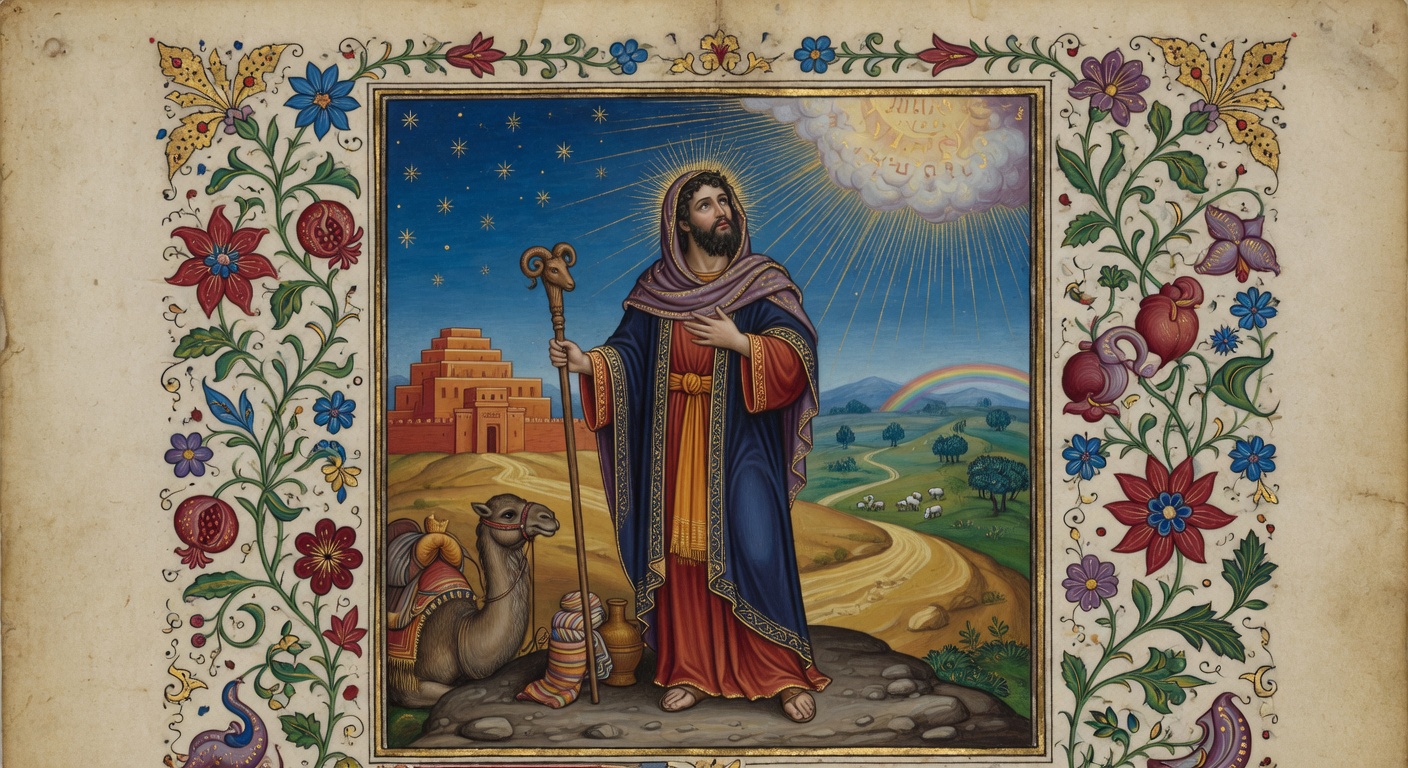
When: c. 2100 - 1800 BC

Key Civilizations: Ur III (Sumer), Old Kingdom Egypt

Biblical Parallels: Genesis 12-50