Psalms 26 KJV
A Prayer of Innocence
About This Psalm
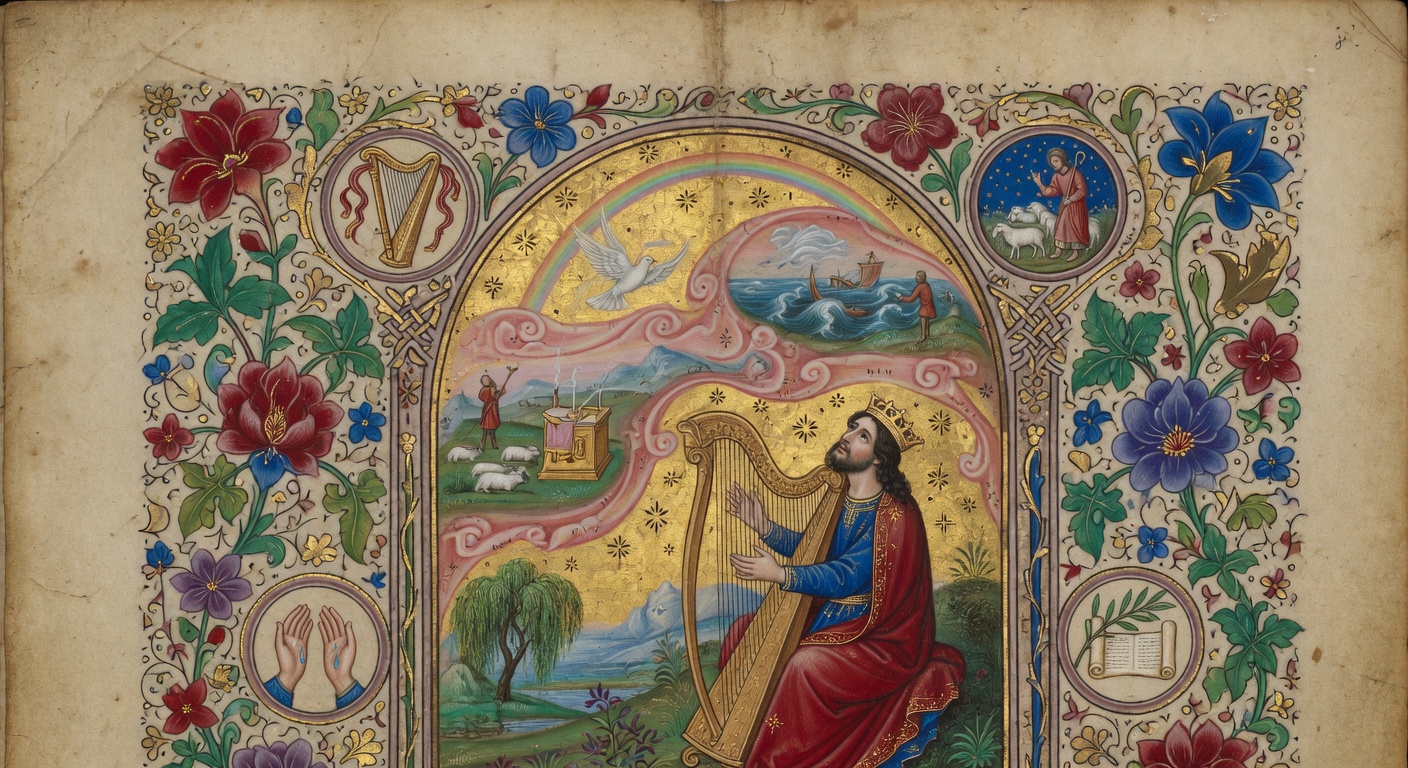
David asks God to examine his life - he's confident he'll pass the test. Not arrogance, but the confidence of someone who's been walking with integrity.
 1udge me, O LORD; for I have walked in mine integrity: I have trusted also in the LORD; therefore I shall not slide.
2 Examine me, O LORD, and prove me; try my reins and my heart.
3 For thy lovingkindness is before mine eyes: and I have walked in thy truth.
4 I have not sat with vain persons, neither will I go in with dissemblers.
5 I have hated the congregation of evil doers; and will not sit with the wicked.
6 I will wash mine hands in innocency: so will I compass thine altar, O LORD:
7 That I may publish with the voice of thanksgiving, and tell of all thy wondrous works.
8 LORD, I have loved the habitation of thy house, and the place where thine honour dwelleth.
9 Gather not my soul with sinners, nor my life with bloody men:
10 In whose hands is mischief, and their right hand is full of bribes.
11 But as for me, I will walk in mine integrity: redeem me, and be merciful unto me.
12 My foot standeth in an even place: in the congregations will I bless the LORD.
← → arrow keys to navigate chapters · spacebar to play/pause audio
Did You Know?
Psalm 26 functions as an ancient temple entrance liturgy in which the worshipper undergoes divine scrutiny before approaching the altar, blending judicial ordeal motifs with ritual purity rather than mere personal devotion.
The psalm inverts the wisdom tradition of Psalm 1 by actively rejecting not only the wicked but also their assemblies, reframing covenant fidelity as deliberate social separation within Israel's cultic life.
Verse 6's command to wash hands in innocency democratizes priestly purification rites from Exodus 30, extending sanctuary access to laypersons through moral rather than exclusively ritual means.
Its chiastic center in verse 8 elevates love for God's house above the surrounding protestations of innocence, positioning the sanctuary itself as the true locus of vindication and stability.
The final pairing of human integrity with divine redemption subtly balances self-vindication and grace, anticipating later theological tensions between works and mercy found in prophetic and New Testament texts.
David purchased Araunah the Jebusite's threshing floor for fifty shekels of silver after the plague halted, establishing the exact site that later became the Temple Mount under Solomon.
Biblical tradition attributes 3,000 proverbs and 1,005 songs to Solomon, along with expertise in botany and zoology covering everything from cedar trees to hyssop and from livestock to birds, fish, and reptiles, yet only fragments survive in Proverbs, Ecclesiastes, and Song of Songs.
The New Testament further develops this imagery to portray the heavenly Jerusalem where believers gather to the living God.
Jerusalem sits at about 2,500 feet elevation. Higher than most surrounding areas.
Commentary & Study Notes Jamieson-Fausset-Brown (1871) · Public Domain Judge — decide on my case; the appeal of innocence. in mine integrity — freedom from blemish (compare Ps 25:21). His confidence of perseverance results from trust in God's sustaini…
Classic verse-by-verse commentary on Psalms 26 from Jamieson, Fausset & Brown (1871). Covers: After appealing to God's judgment on his avowed integrity and innocence of the charges laid by his enemies, the psalmist professes delight in God's worship, and prays for exemption from the fate of the wicked, expressing assurance of God's favor.
- 1
- Judge — decide on my case; the appeal of innocence. in mine integrity — freedom from blemish (compare Ps 25:21). His confidence of perseverance results from trust in God's sustaining grace.
- 2
- He asks the most careful scrutiny of his affections and thoughts (Ps 7:9), or motives.
Read all 10 notes on Psalms 26 →