Babel (Land of Shinar)
Ask about Babel (Land of Shinar)
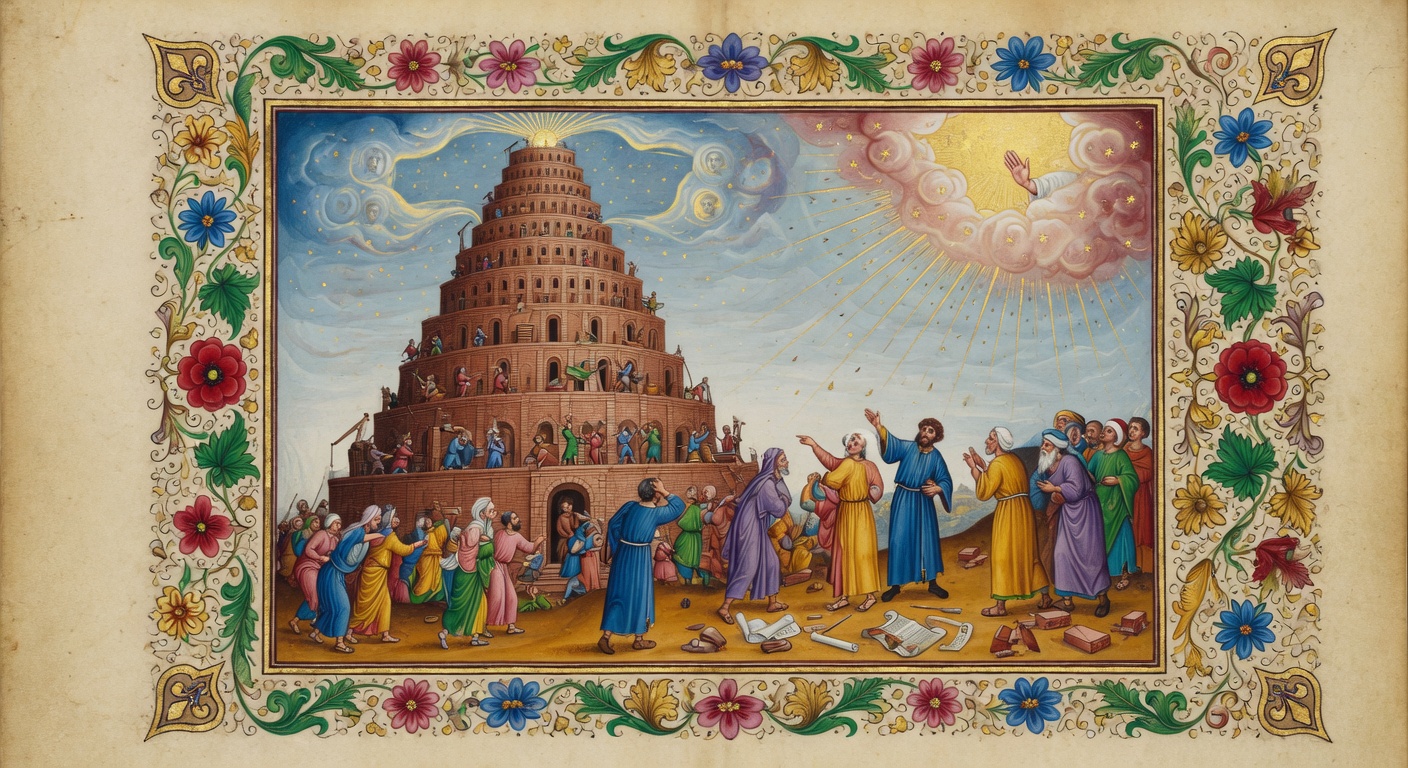
Babel stood in the land of Shinar, the broad plain of southern Mesopotamia between the Tigris and Euphrates rivers. Genesis first names it as the beginning of Nimrod's kingdom, and then tells how the people of the earth, all speaking one language, settled in that plain and began to build a city and a tower whose top would reach unto heaven, so that they might make a name for themselves and not be scattered. The LORD came down, confounded their language, and scattered them across the face of the earth, and the place was called Babel because there the LORD did confound the language of all the earth. In Hebrew, Babel is the same name later used for Babylon, and Shinar appears again when Nebuchadnezzar carries the temple vessels into 'the land of Shinar' in the opening verses of Daniel. The city where human pride first reached for heaven became, throughout Scripture, a picture of every kingdom that sets itself against God.
Details
- Region
- Mesopotamia
- Modern Location
- Southern Iraq. Babel is traditionally identified with the site of Babylon, near Hillah, in the plain between the Tigris and Euphrates (the ancient land of Shinar).
Journey Paths
Key Passages
Nimrod's Kingdom Begins at Babel
Genesis 10:8-10
Babel is the first city named in the kingdom of Nimrod, the mighty hunter, in the land of Shinar.
 8nd Cush begat Nimrod: he began to be a mighty one in the earth.
The Tower of Babel
Genesis 11:1-9
A united humanity builds a tower to make a name for itself, and God scatters the nations by confounding their speech.
1nd the whole earth was of one language, and of one speech.
Temple Vessels Carried to Shinar
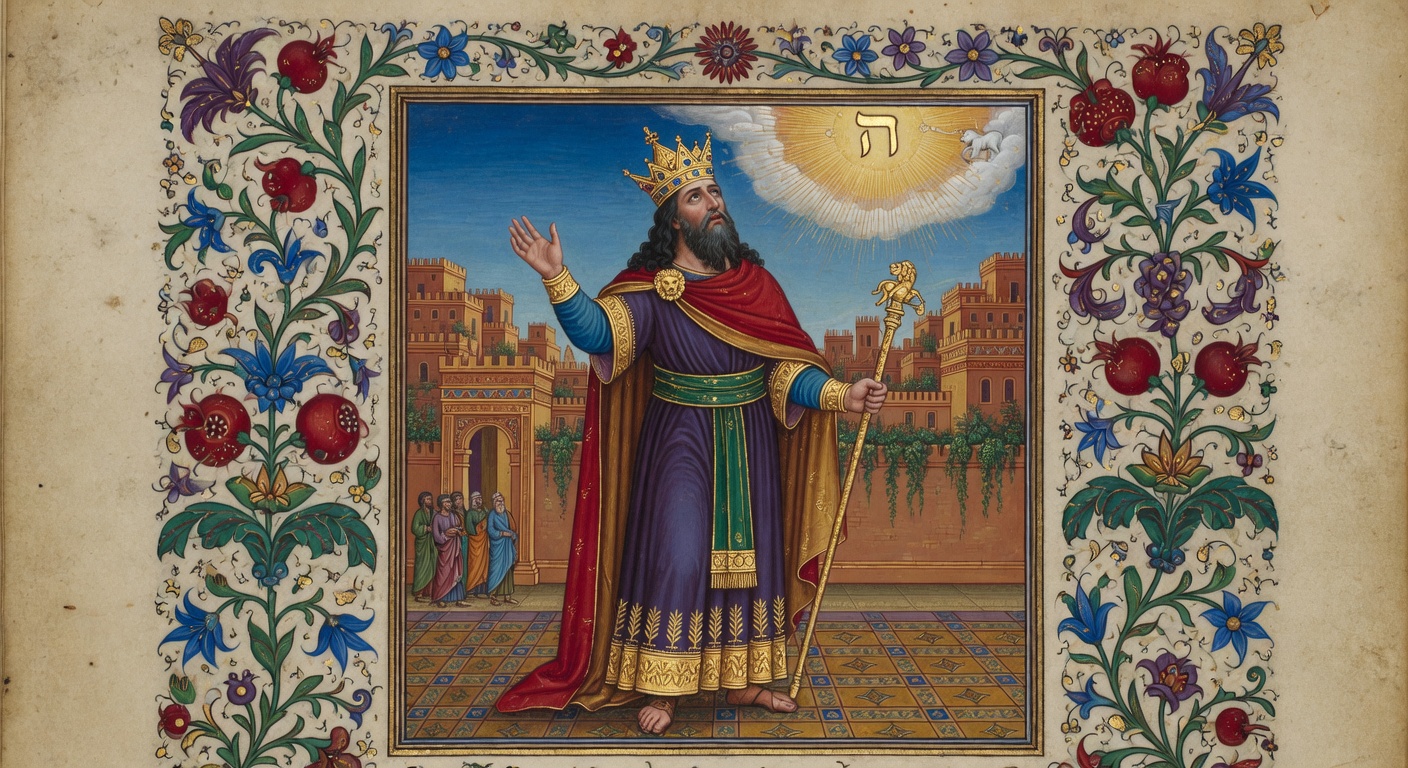
Daniel 1:1-2
Centuries later the vessels of God's house are carried to the land of Shinar, the old plain of Babel, as the exile begins.
 1n the third year of the reign of Jehoiakim king of Judah came Nebuchadnezzar king of Babylon unto Jerusalem, and besieged it.
Explore Related


Did You Know?
The Hebrew name Babel is the same word translated Babylon throughout the rest of the Old Testament.
Genesis 11 explains the name with a wordplay: Babel sounds like the Hebrew verb for 'confound.'
The tower was built of baked brick with 'slime' for mortar, the bitumen still found in southern Iraq today.
Many ancient Mesopotamian cities had stepped temple towers called ziggurats, which most scholars see as the background to the tower of Babel.