El Qanna

'The LORD, whose name is Jealous' - the God whose love is too fierce to share his people with idols.
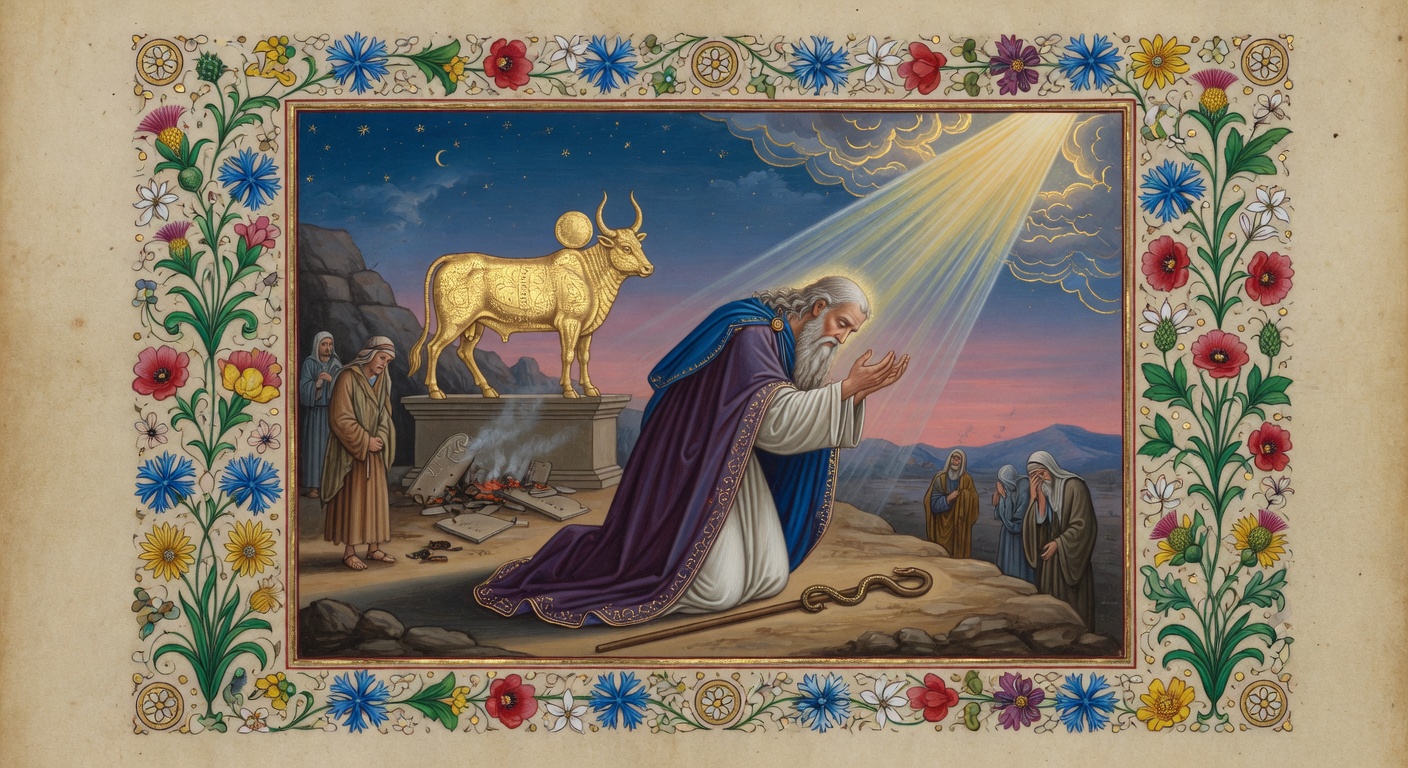
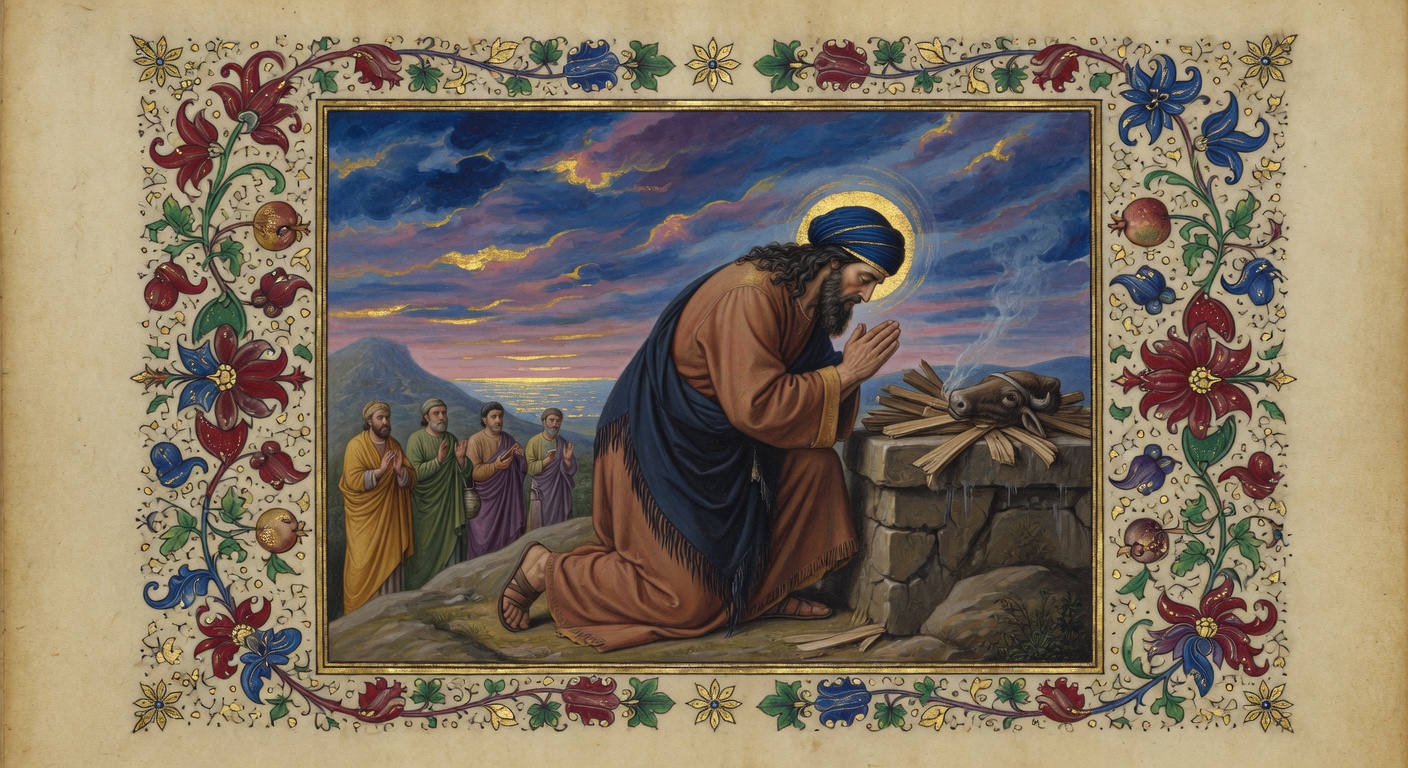
El Qanna (אֵל קַנָּא) means 'The Jealous God,' first used in the second commandment: 'I the LORD thy God am a jealous God' (Exodus 20:5). When God renewed the covenant after the golden calf, he went further: 'the LORD, whose name is Jealous, is a jealous God' (Exodus 34:14). Divine jealousy is not petty envy but the burning, protective love of a husband for his covenant bride, refusing to share his people's worship with idols that would destroy them. Moses joined the name to another image: 'the LORD thy God is a consuming fire, even a jealous God.'
Meaning: The Jealous God
First Usage: Exodus 20:5
Key Chapters
Key Passages
Whose Name Is Jealous
Exodus 34:12-14
This passage shows that God's jealousy guards his people from the snare of false worship, because he alone is their God.
 12ake heed to thyself, lest thou make a covenant with the inhabitants of the land whither thou goest, lest it be for a snare in the midst of thee:
A Consuming Fire
Deuteronomy 4:23-24
Moses warns Israel not to forget the covenant, for the jealous God will not share their devotion with graven images.
23ake heed unto yourselves, lest ye forget the covenant of the LORD your God, which he made with you, and make you a graven image, or the likeness of any thing, which the LORD thy God hath forbidden thee.
Explore Related
Did You Know?
El Qanna means "The Jealous God." The name first appears in the Ten Commandments, right after the command not to bow down to idols. God's jealousy is tied directly to worship.
Human jealousy is often selfish. God's jealousy is the zeal of a faithful husband for his bride. He will not share His people with gods that cannot save them.
Exodus 34:14 says His very name is Jealous. The same chapter proclaims Him "merciful and gracious, longsuffering, and abundant in goodness and truth." His jealousy and His love belong together.