Thorns and the Crown of Thorns

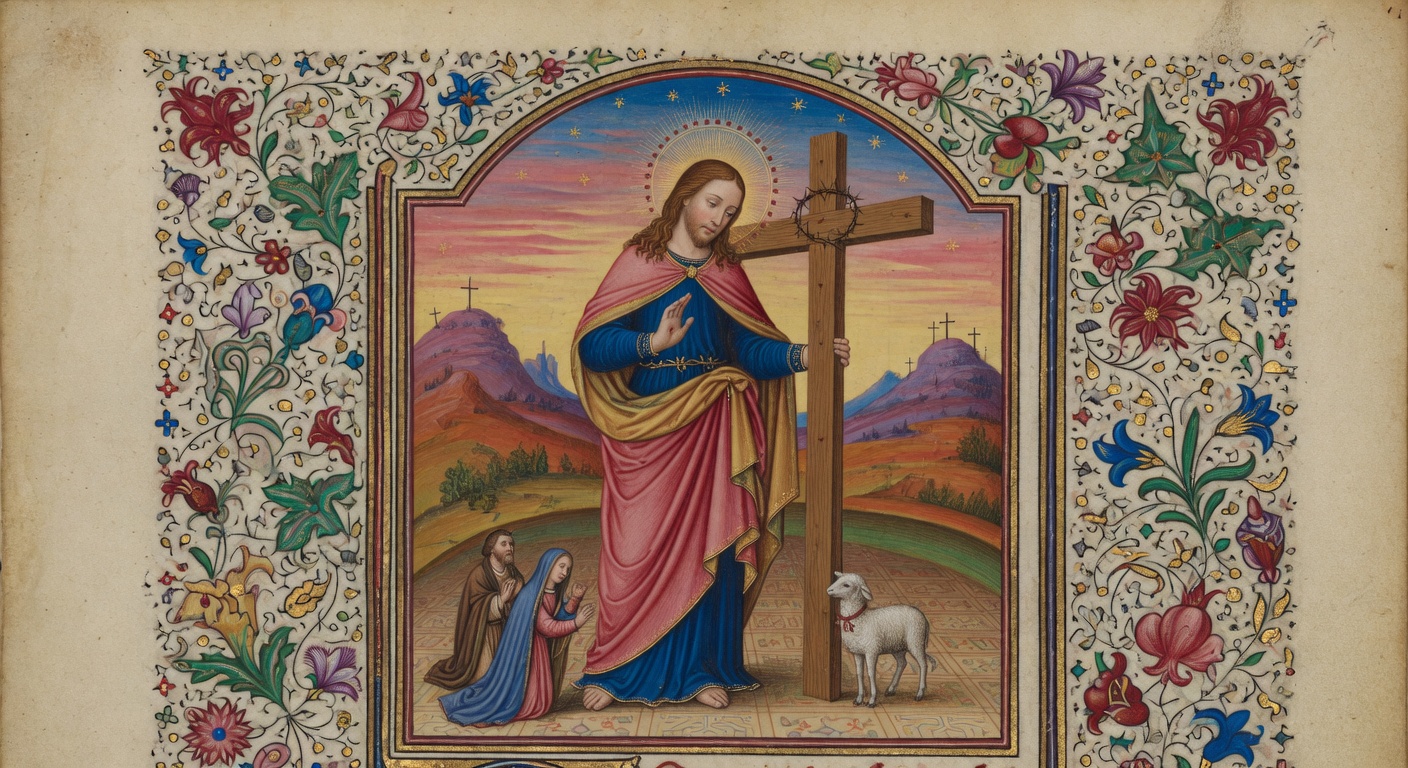
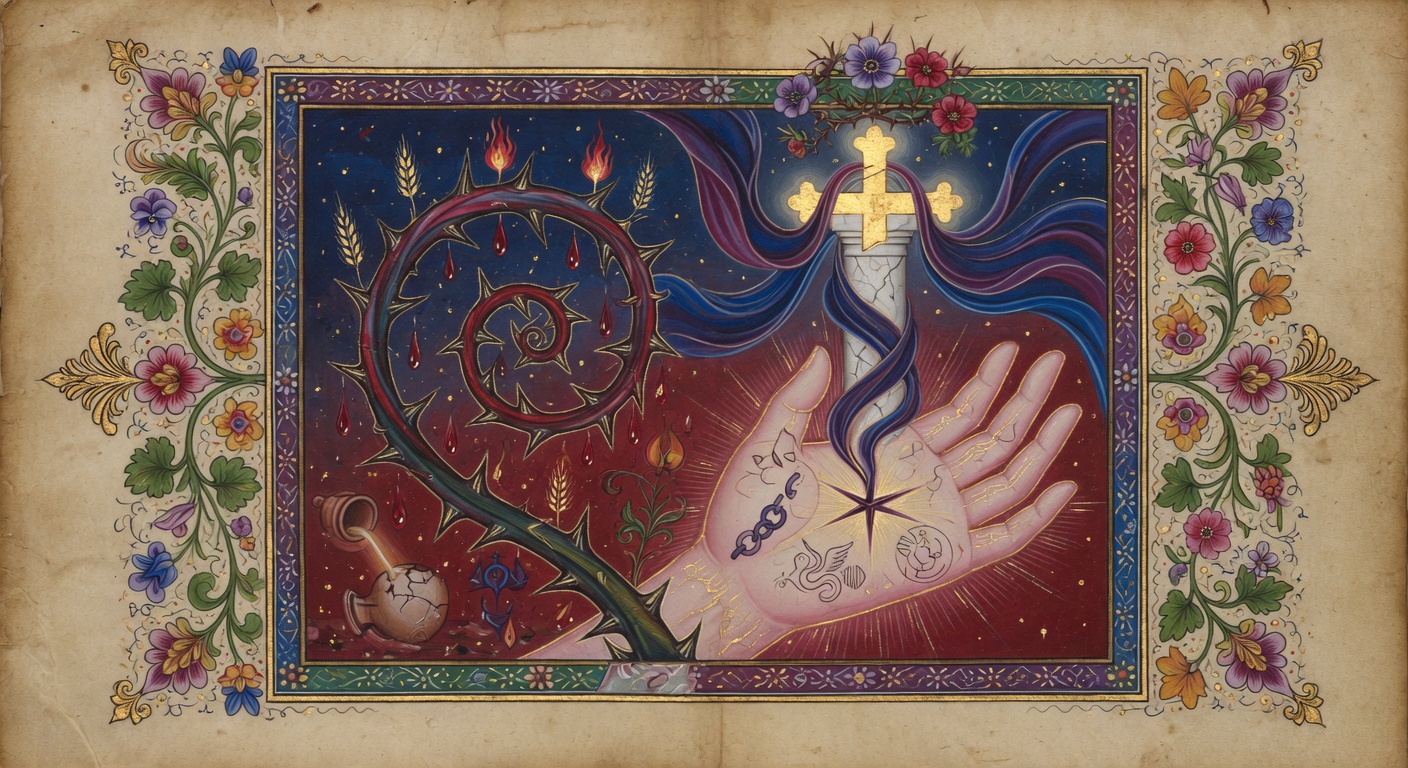
Thorns first appear in the curse after the fall: 'Thorns also and thistles shall it bring forth to thee.' From then on they stand for the hardship, frustration and fruitlessness that sin brought into the world. In Jesus' parable the seed that fell among thorns was choked, and Paul spoke of 'a thorn in the flesh' that kept him humble. At Jesus' trial the soldiers 'platted a crown of thorns' and pressed it on his head in mockery. Many readers have seen in that moment the King bearing on his own brow the sign of the curse he came to remove.
Key Passages
Thorns Also and Thistles
Genesis 3:17-18
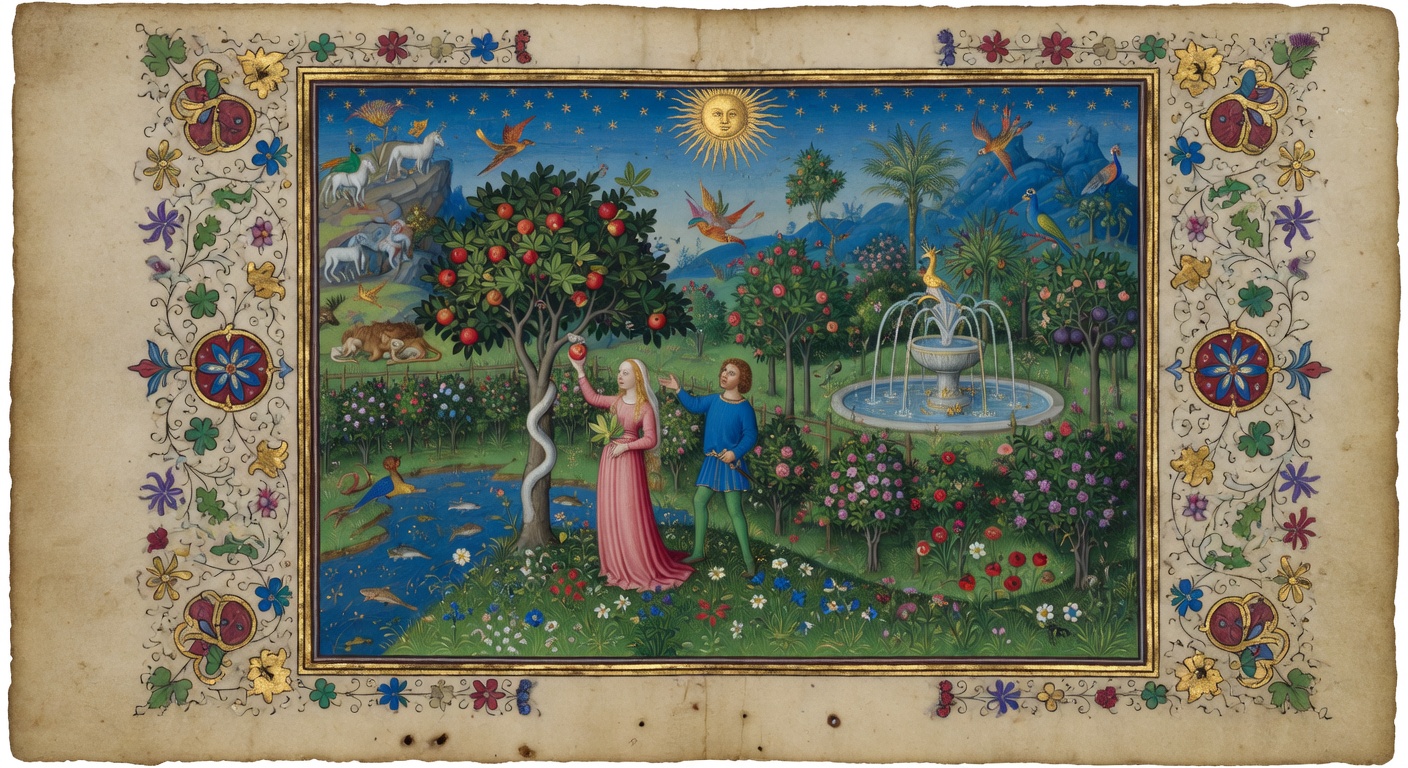
After the fall the ground itself is cursed, and thorns become a lasting sign of life under sin.
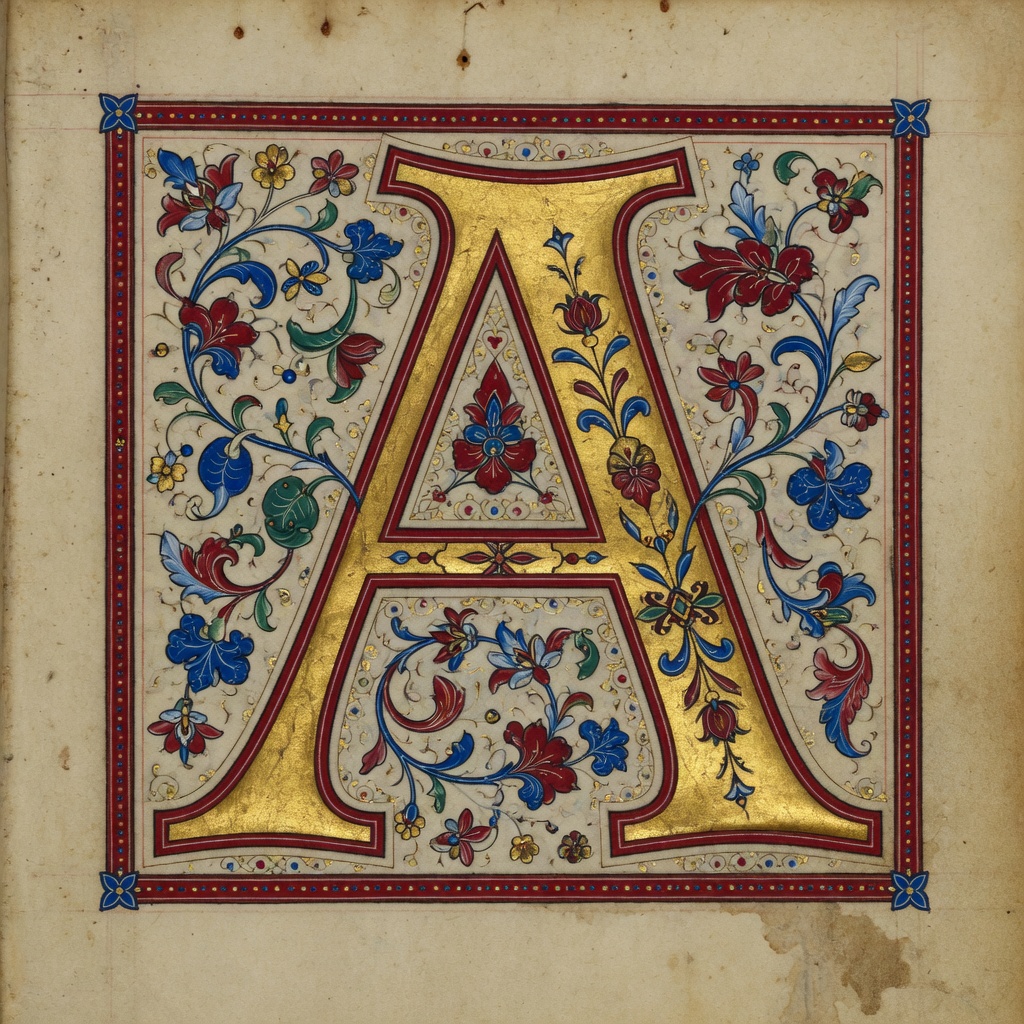 17nd unto Adam he said, Because thou hast hearkened unto the voice of thy wife, and hast eaten of the tree, of which I commanded thee, saying, Thou shalt not eat of it: cursed is the ground for thy sake; in sorrow shalt thou eat of it all the days of thy life;
The Crown of Thorns
John 19:1-5
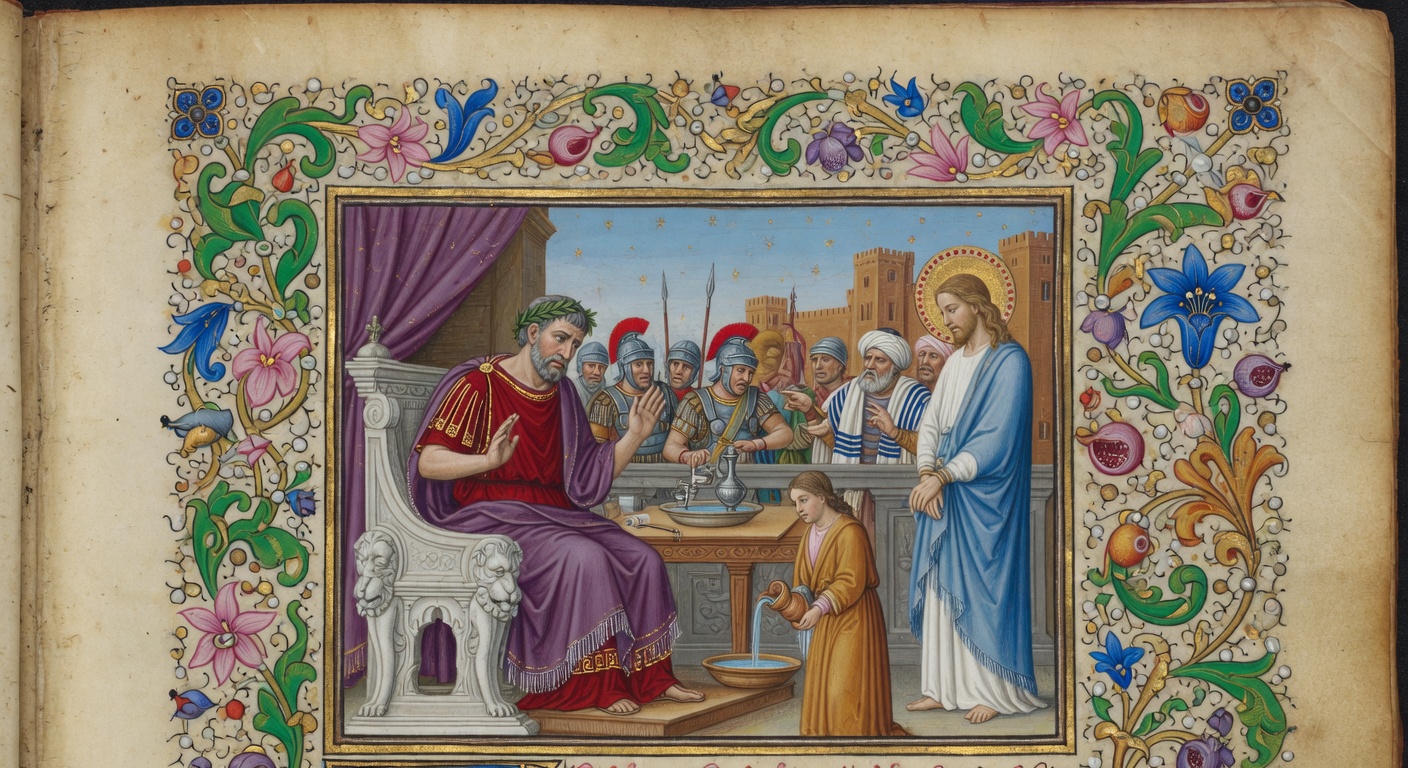
The soldiers crown Jesus with thorns and robe him in purple, and Pilate presents him to the crowd: 'Behold the man!'
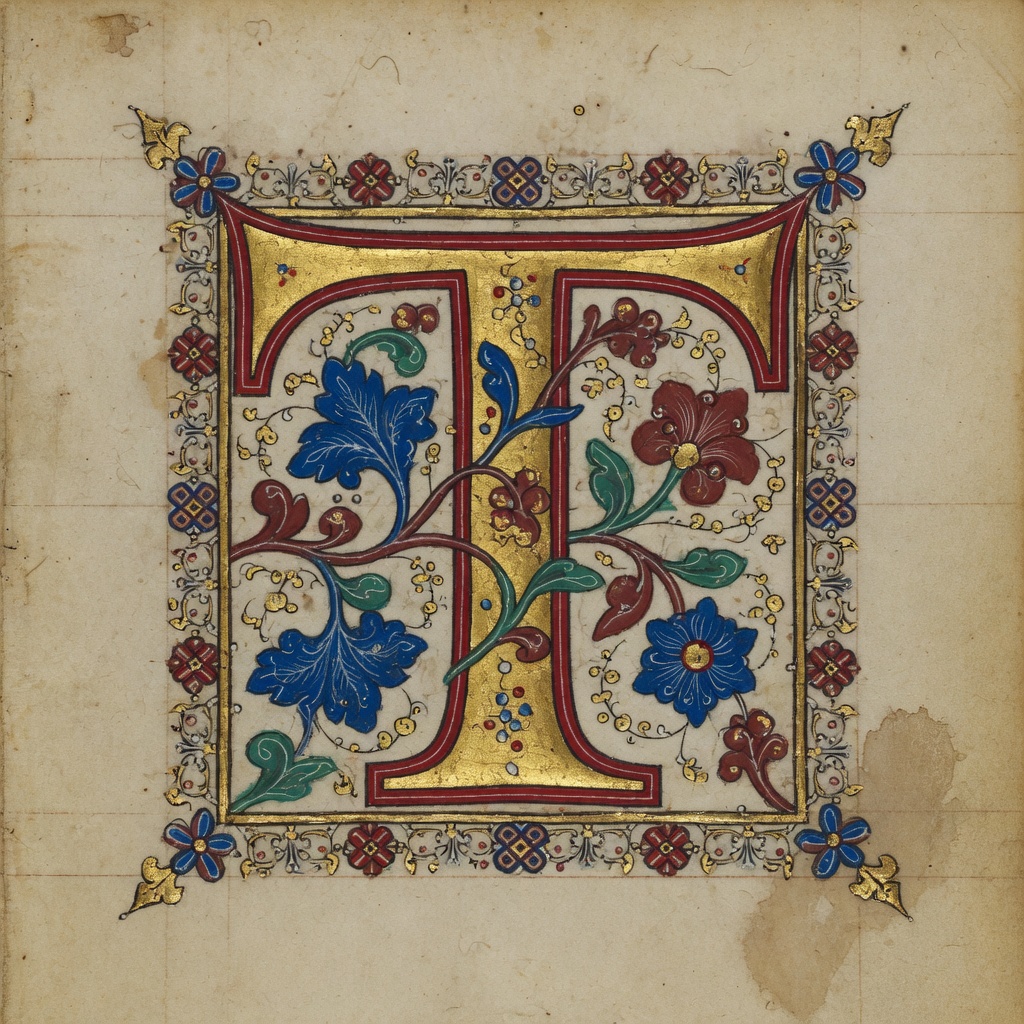 1hen Pilate therefore took Jesus, and scourged him.
Explore Related
Did You Know?
Thorns are first mentioned in the curse on the ground in Genesis 3.
The soldiers also put a reed in Jesus' hand as a mock scepter.
Paul never says what his 'thorn in the flesh' was, and readers have long debated it.
God warned that Canaanites left in the land would be 'thorns in your sides.'