Christ, the Messiah

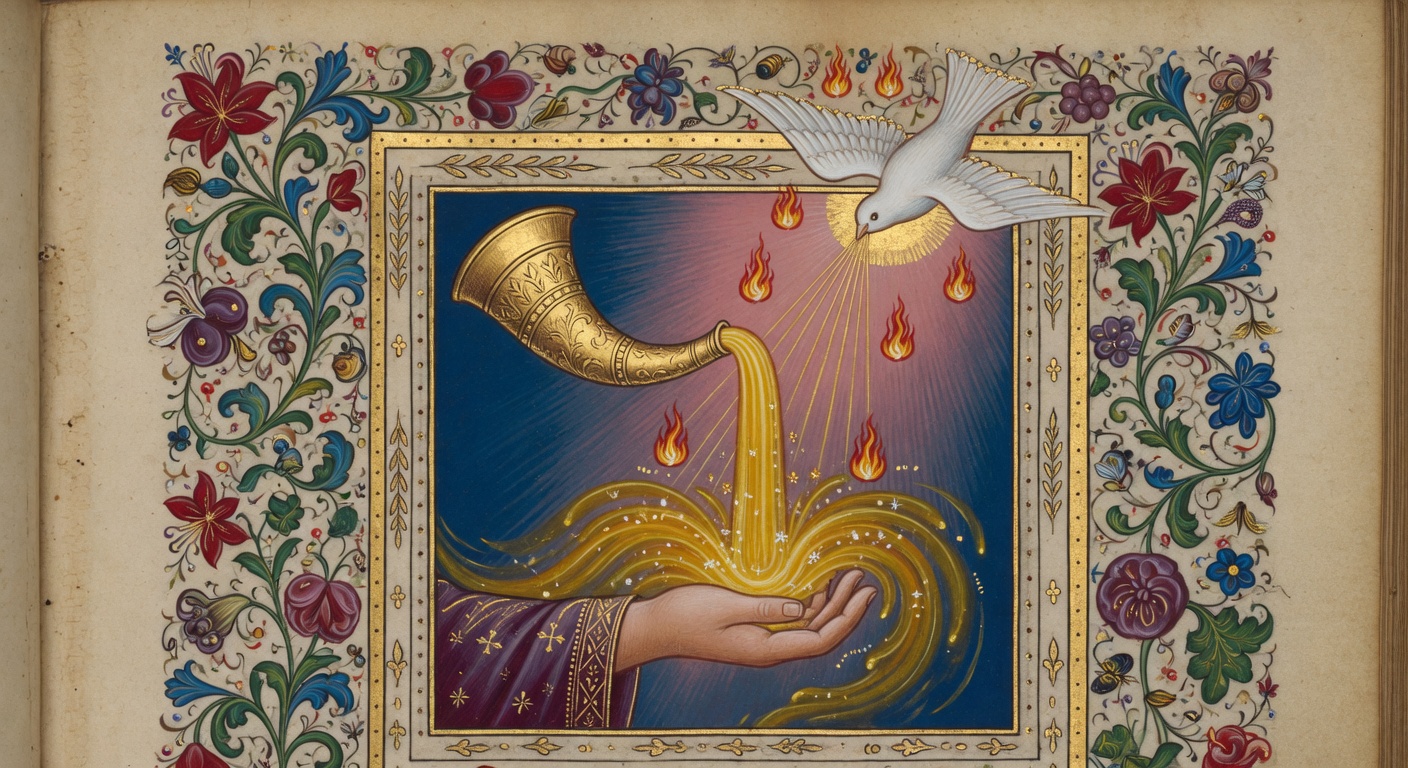
'Christ' is not Jesus' surname but his title. It comes from the Greek Christos, which translates the Hebrew Mashiach, Messiah, meaning 'anointed one.' In Israel prophets, priests and kings were anointed with oil to set them apart for God's work, and the prophets promised a coming Anointed One who would bring salvation. When Andrew met Jesus he ran to his brother: 'We have found the Messias, which is, being interpreted, the Christ.' At a well in Samaria, when a woman spoke of the Messiah who was coming, Jesus told her, 'I that speak unto thee am he.'
Key Passages
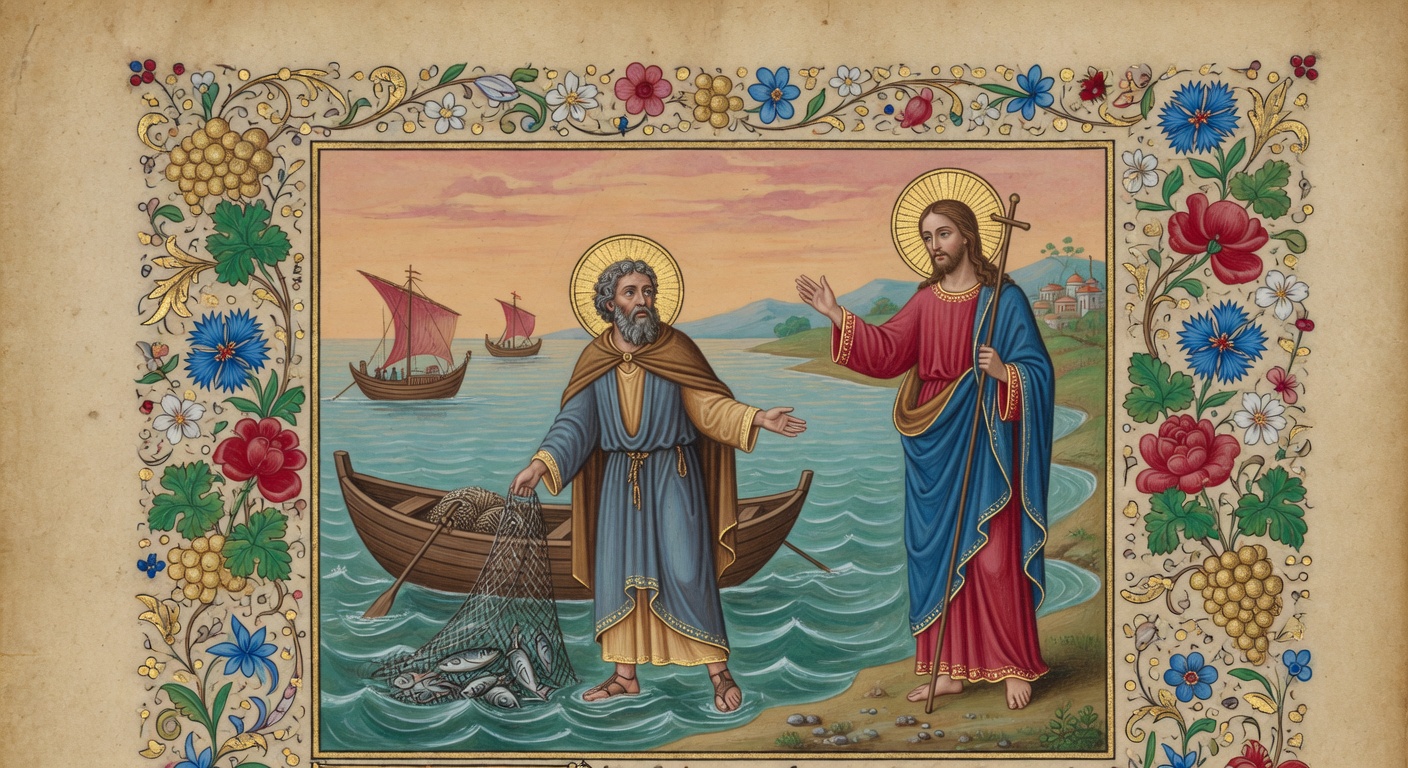
We Have Found the Messias
John 1:40-42
Andrew's first act after meeting Jesus is to bring his brother Simon to the Messiah.
 40ne of the two which heard John speak, and followed him, was Andrew, Simon Peter’s brother.
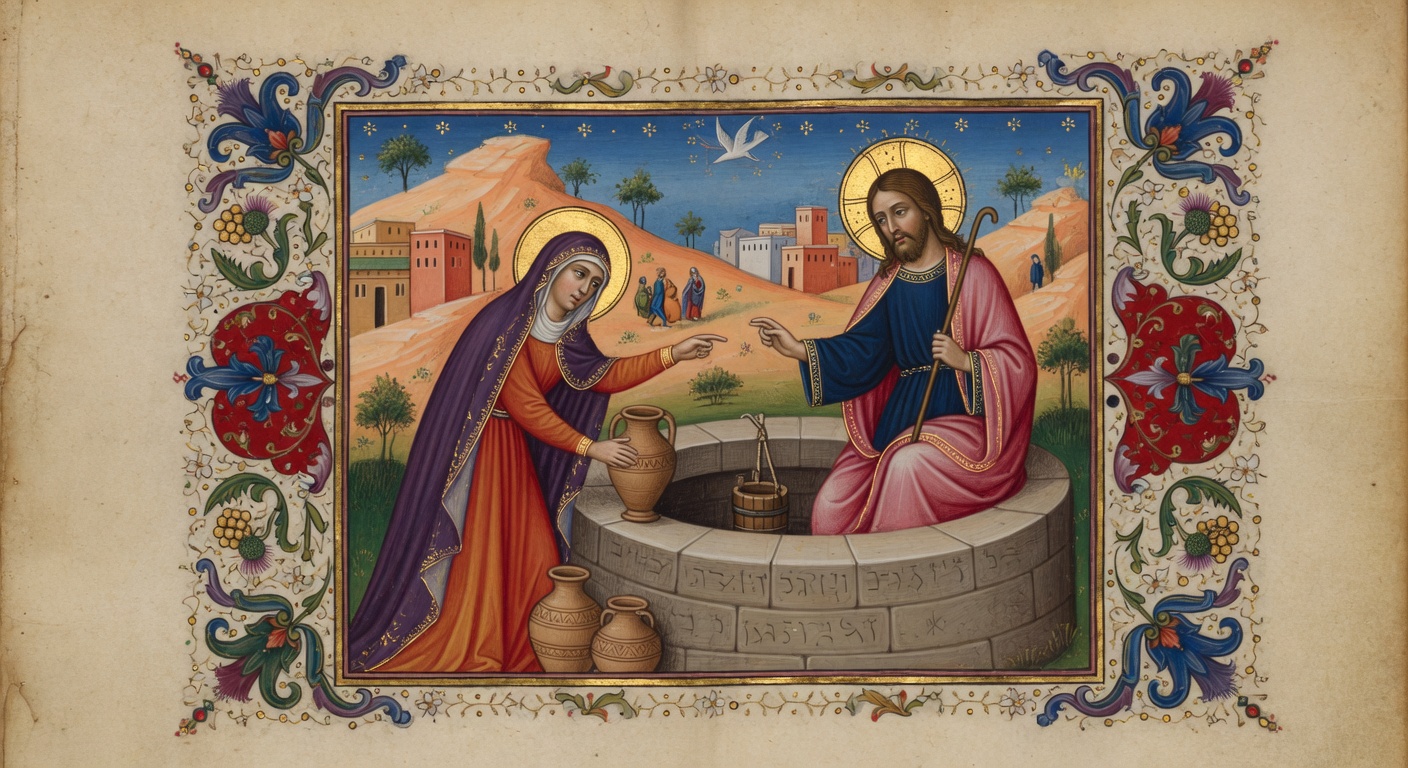
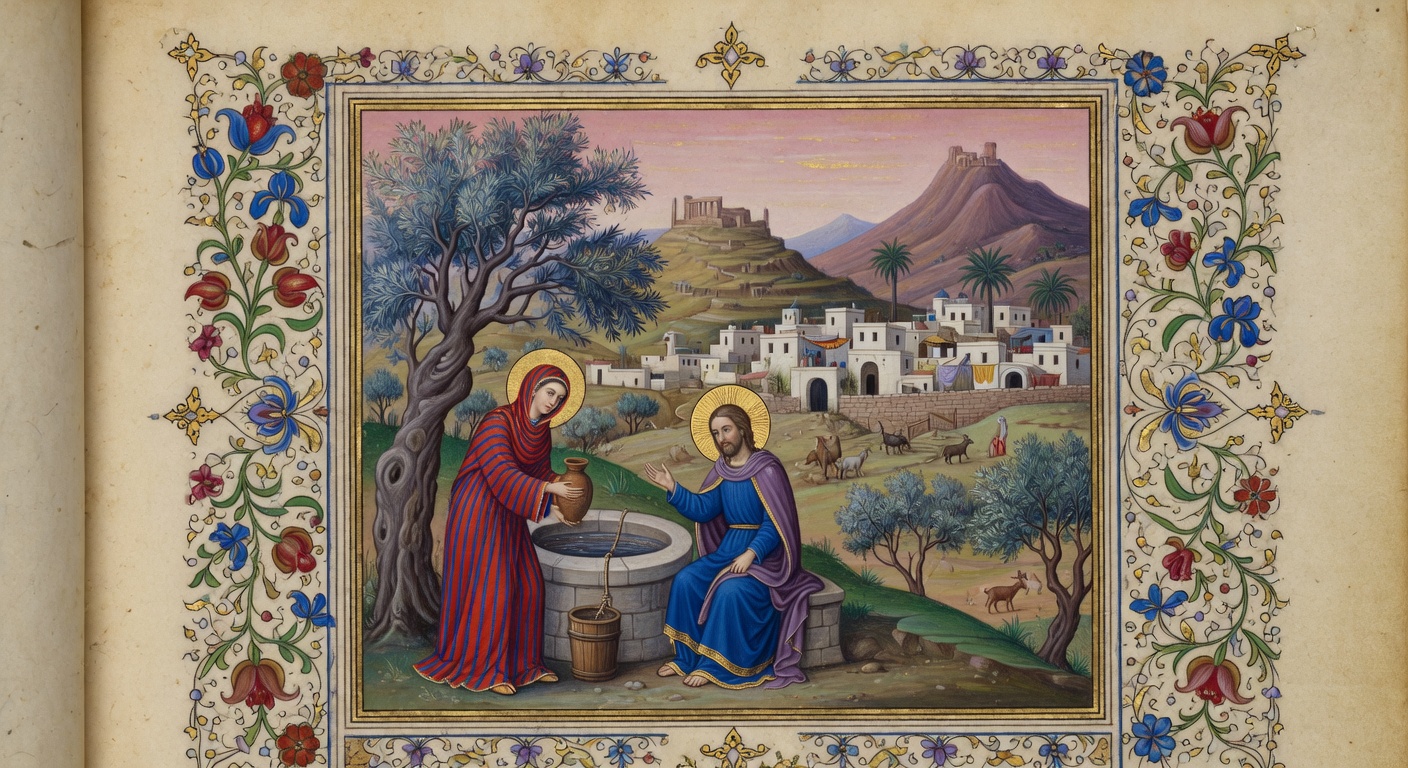
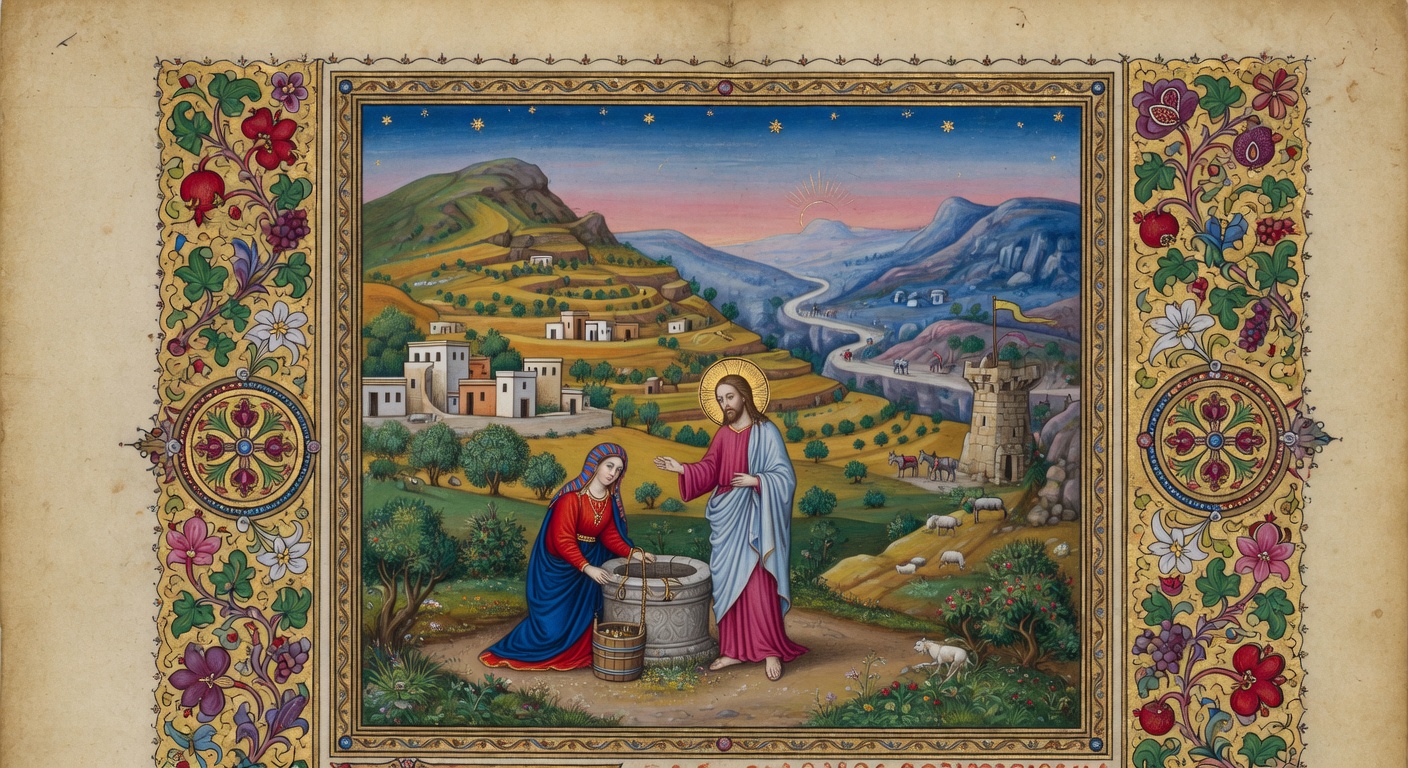
I That Speak Unto Thee Am He
John 4:25-26
Jesus openly reveals himself as the Messiah to a Samaritan woman at Jacob's well.
 25he woman saith unto him, I know that Messias cometh, which is called Christ: when he is come, he will tell us all things.
Explore Related
Did You Know?
'Messiah' and 'Christ' both mean 'anointed one' - one in Hebrew, one in Greek.
The word 'Messias' appears only twice in the KJV, both times in John's Gospel.
Jesus first plainly told a Samaritan woman that he was the Messiah.
In the synagogue at Nazareth Jesus read, 'The Spirit of the Lord is upon me, because he hath anointed me.'