Abijah vs. Jeroboam at Mount Zemaraim

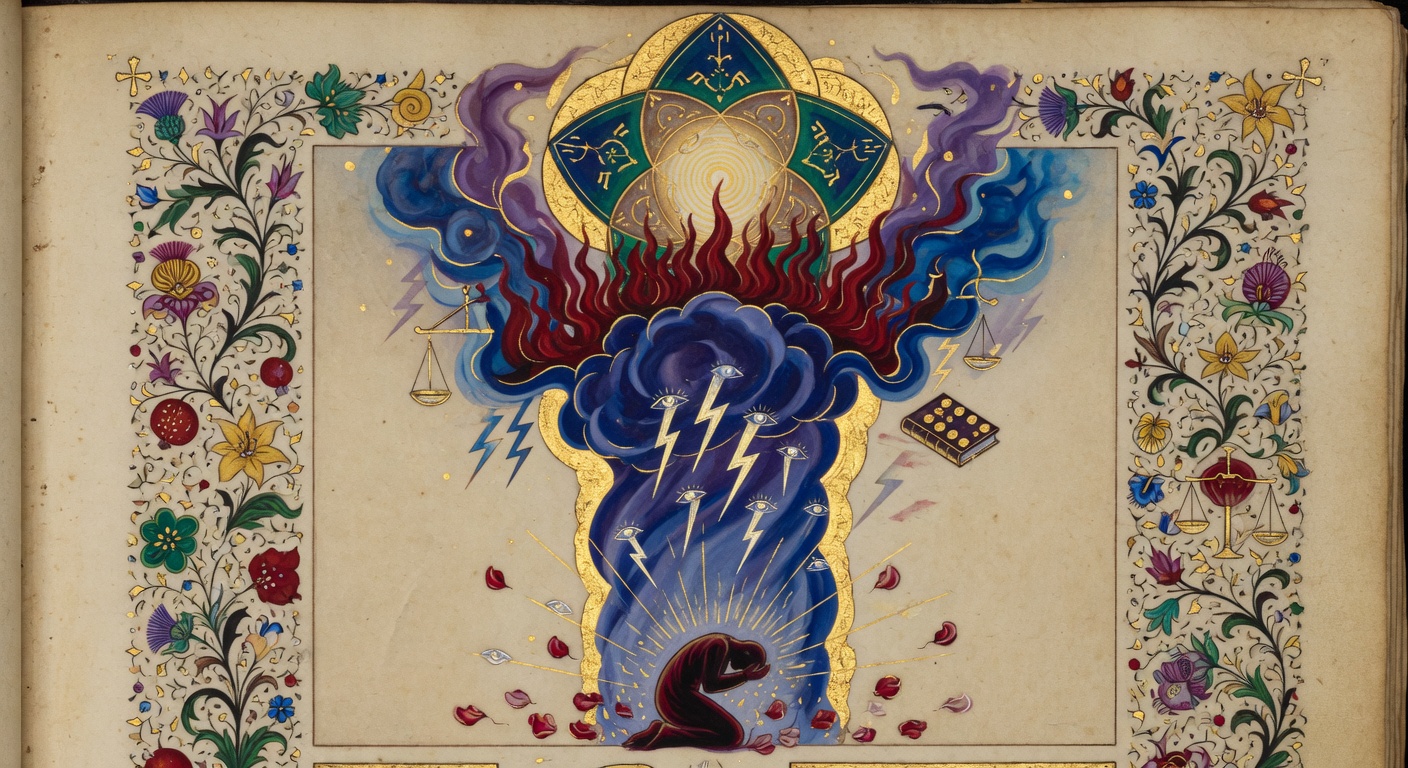
Outnumbered two to one and caught in an ambush, Judah cried out to the LORD and shouted. God struck Jeroboam's army, and Judah won because they relied on Him.
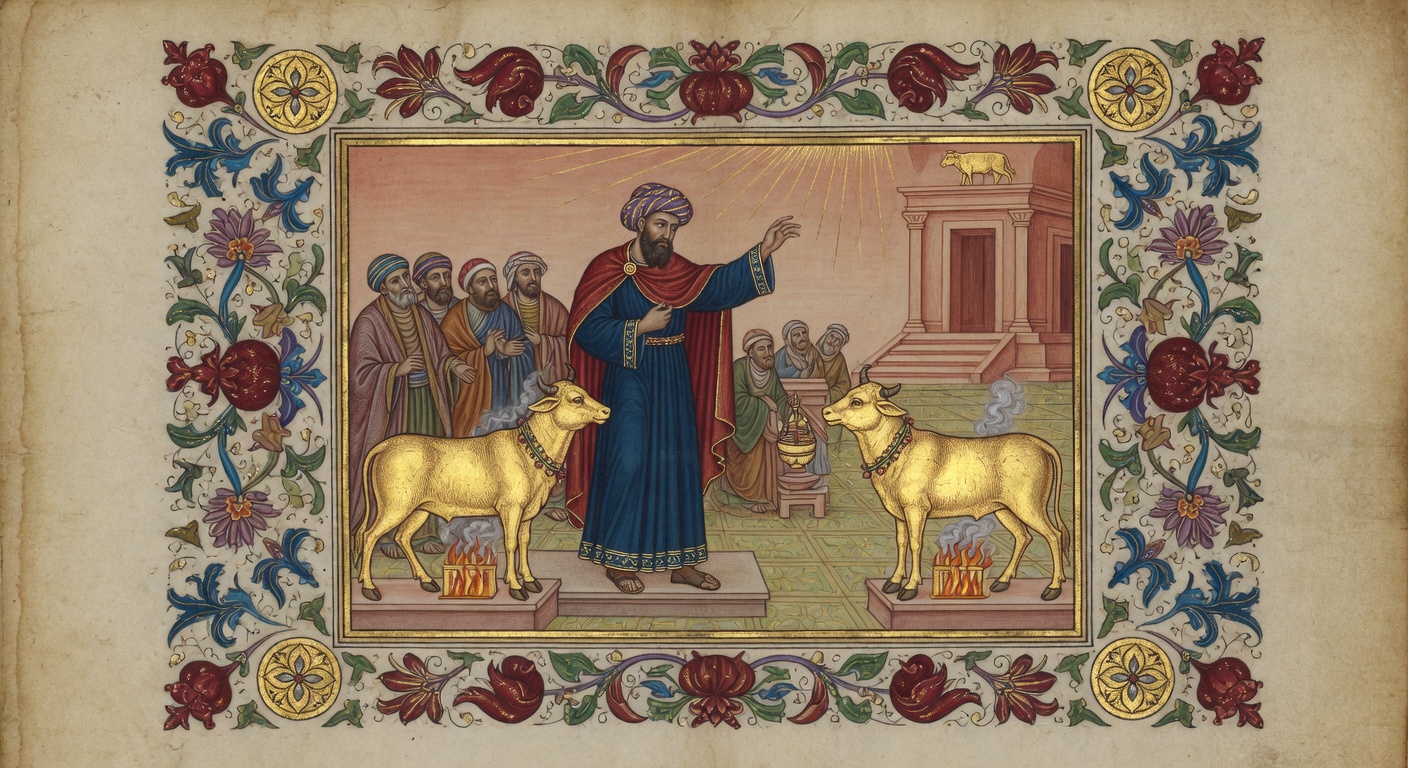
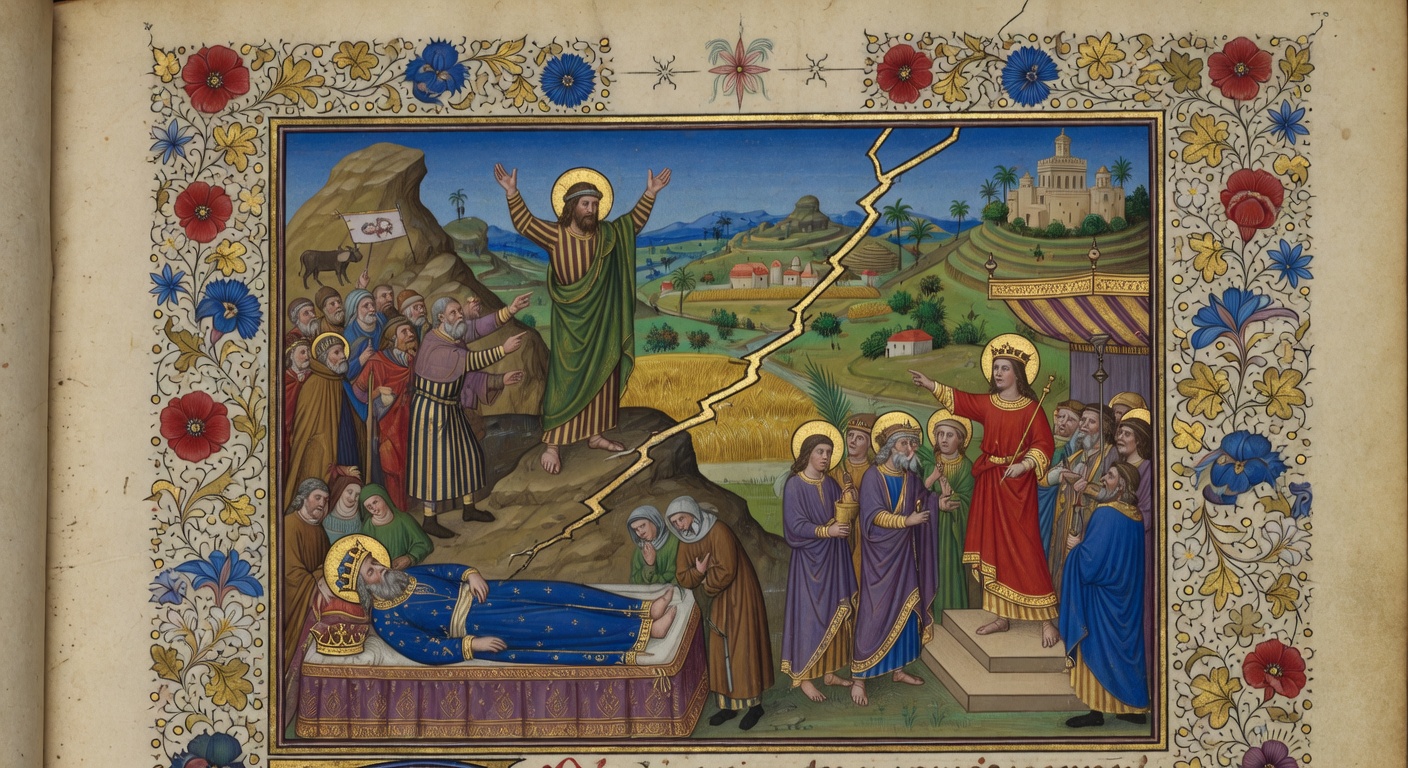
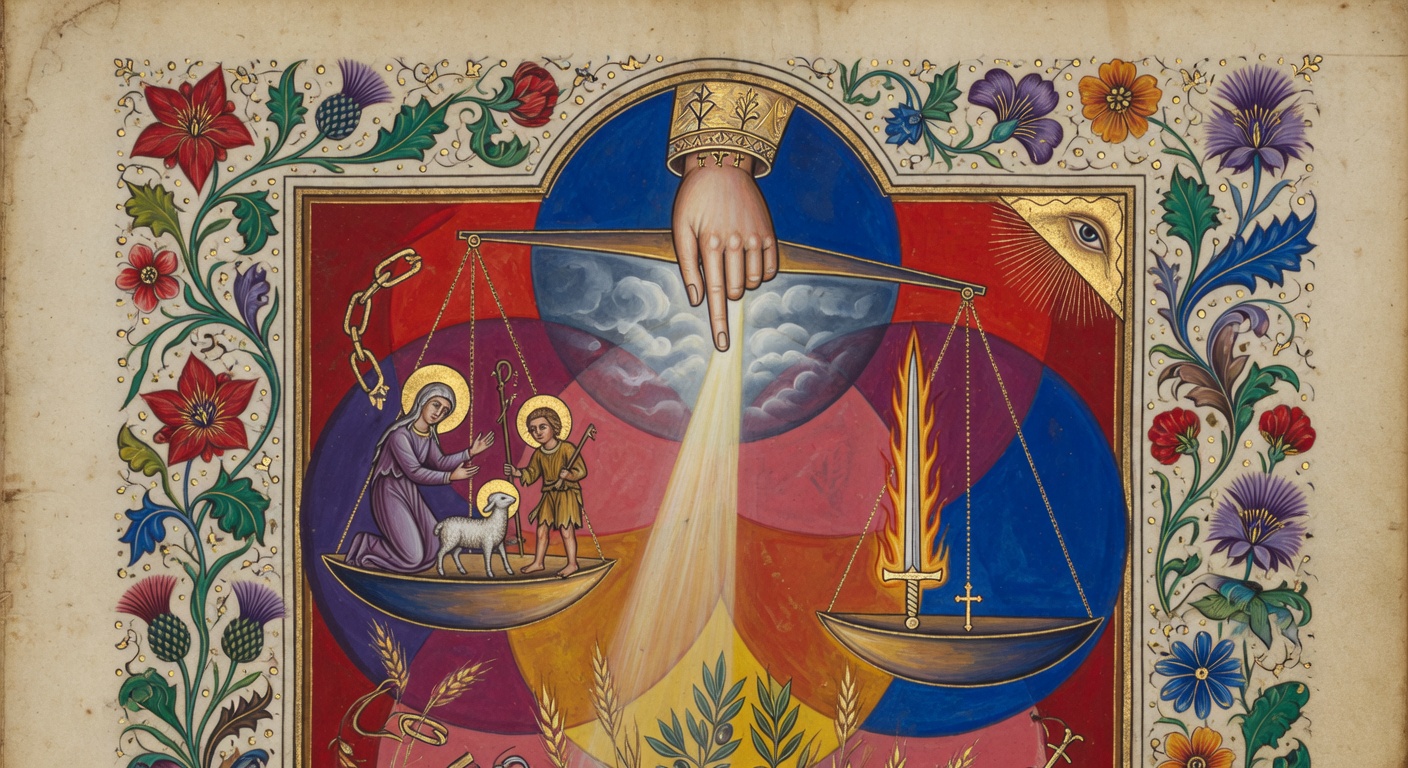
Abijah king of Judah faced Jeroboam king of Israel with four hundred thousand men against eight hundred thousand. Standing on mount Zemaraim, Abijah called out to Israel that the LORD had given the kingdom to David's line by a covenant of salt, that Jeroboam had rebelled and set up golden calves and false priests, and that Judah still served the LORD with the sons of Aaron and the Levites. 'God himself is with us for our captain,' he warned; 'fight ye not against the LORD God of your fathers.' Meanwhile Jeroboam had set an ambush behind Judah. Surrounded, Judah cried to the LORD, the priests sounded the trumpets, and the men shouted. Then God struck Jeroboam and all Israel before Judah. Judah prevailed 'because they relied upon the LORD God of their fathers', and Abijah took Bethel and other towns.
Details
- Era
- Divided Kingdom
- Category
- Divided Kingdom
- Participants
- Judah (Abijah, 400,000) vs. Israel (Jeroboam, 800,000)
- Outcome
- Judah victorious, Bethel taken from Israel
- Divine Intervention
- Yes
Key Chapters
Key Passages
Abijah's Appeal
2 Chronicles 13:3-12
Before the battle Abijah reminds Israel of God's covenant with David and warns them not to fight against the LORD.
 3nd Abijah set the battle in array with an army of valiant men of war, even four hundred thousand chosen men: Jeroboam also set the battle in array against him with eight hundred thousand chosen men, being mighty men of valour.
God Smote Jeroboam
2 Chronicles 13:13-20
Trapped front and back, Judah cries to the LORD and prevails because they rely on Him.
 13ut Jeroboam caused an ambushment to come about behind them: so they were before Judah, and the ambushment was behind them.
Explore Related



Did You Know?
Judah was outnumbered two to one.
Abijah spoke of the 'covenant of salt', an image of a permanent covenant.
Judah won 'because they relied upon the LORD God of their fathers'.
First Kings, which calls him Abijam, says his heart was not perfect with the LORD (1 Kings 15:3), while Chronicles highlights this moment of faith.