Eliezer of Damascus
Ask about Eliezer of Damascus
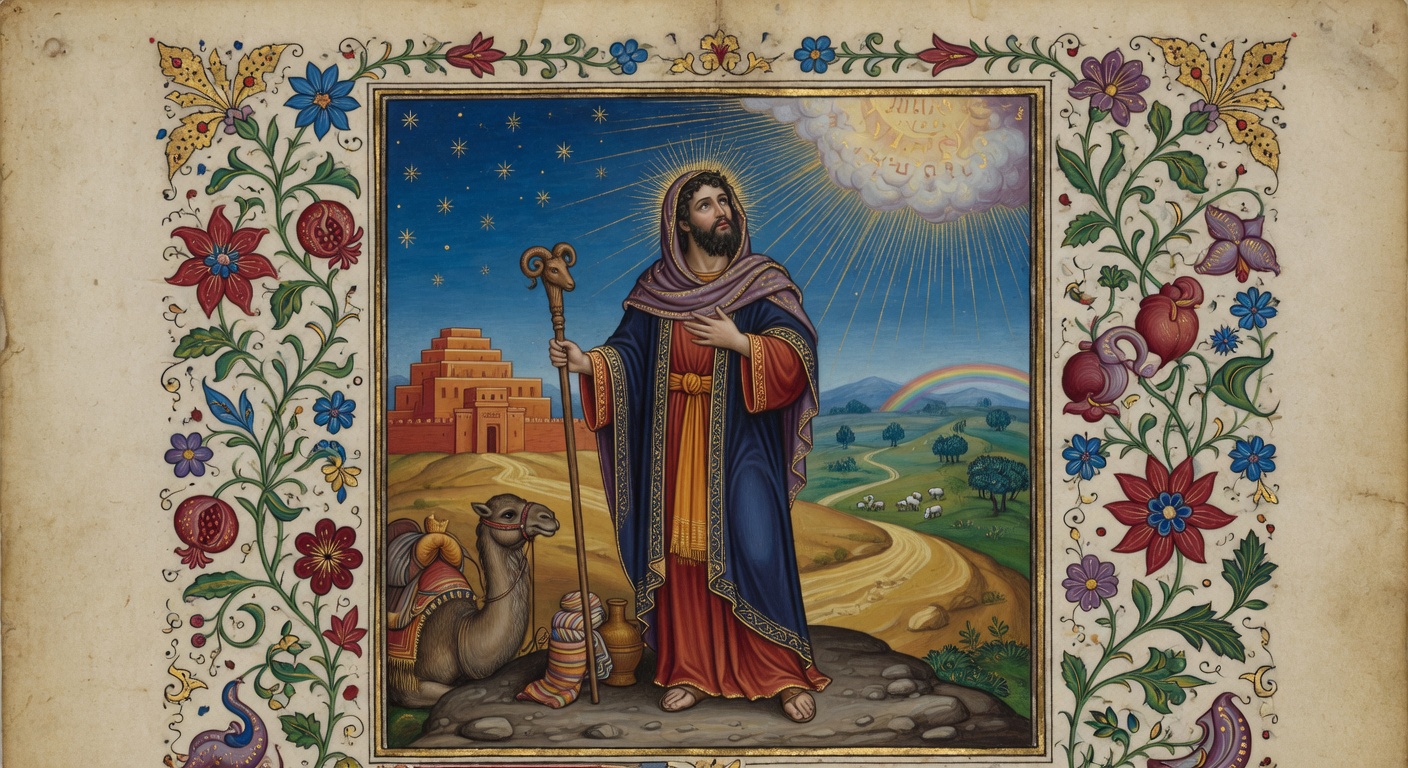
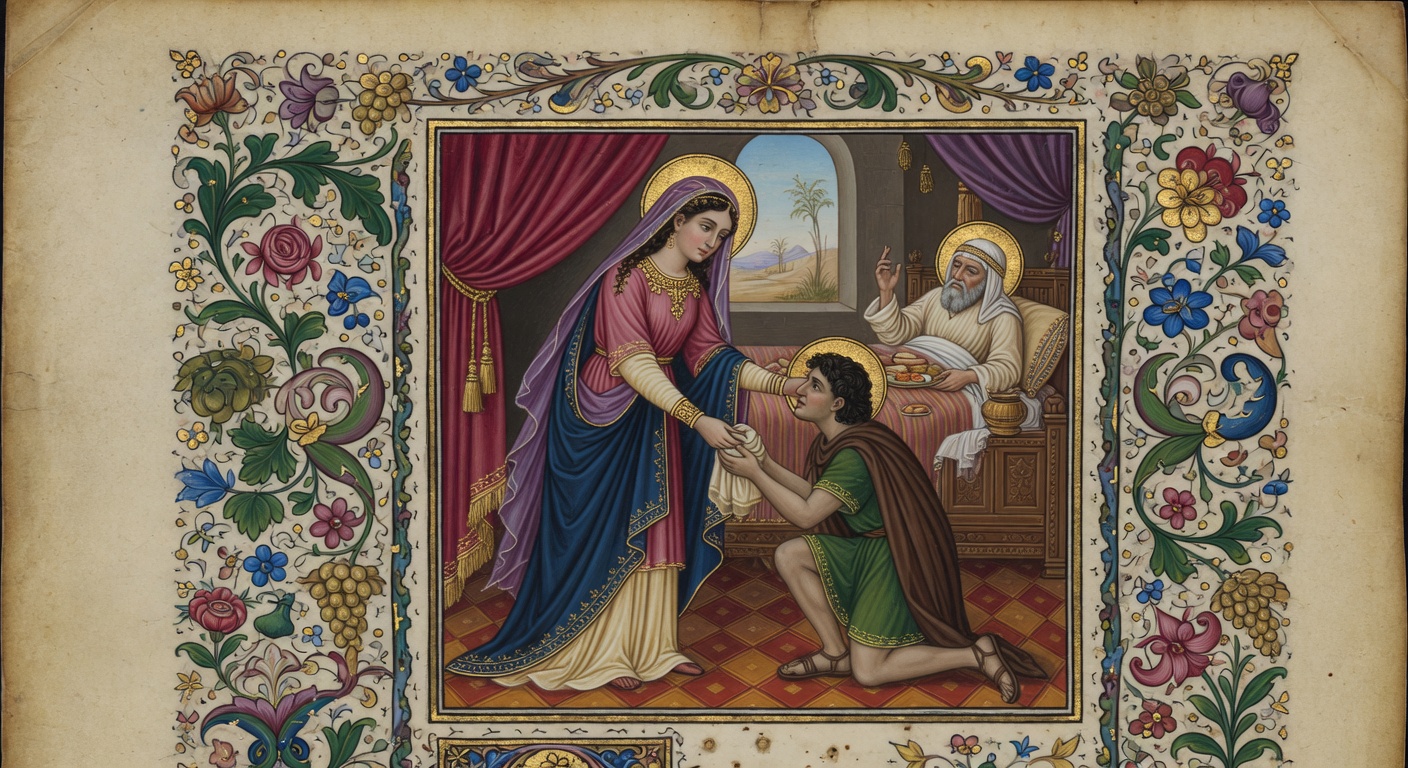
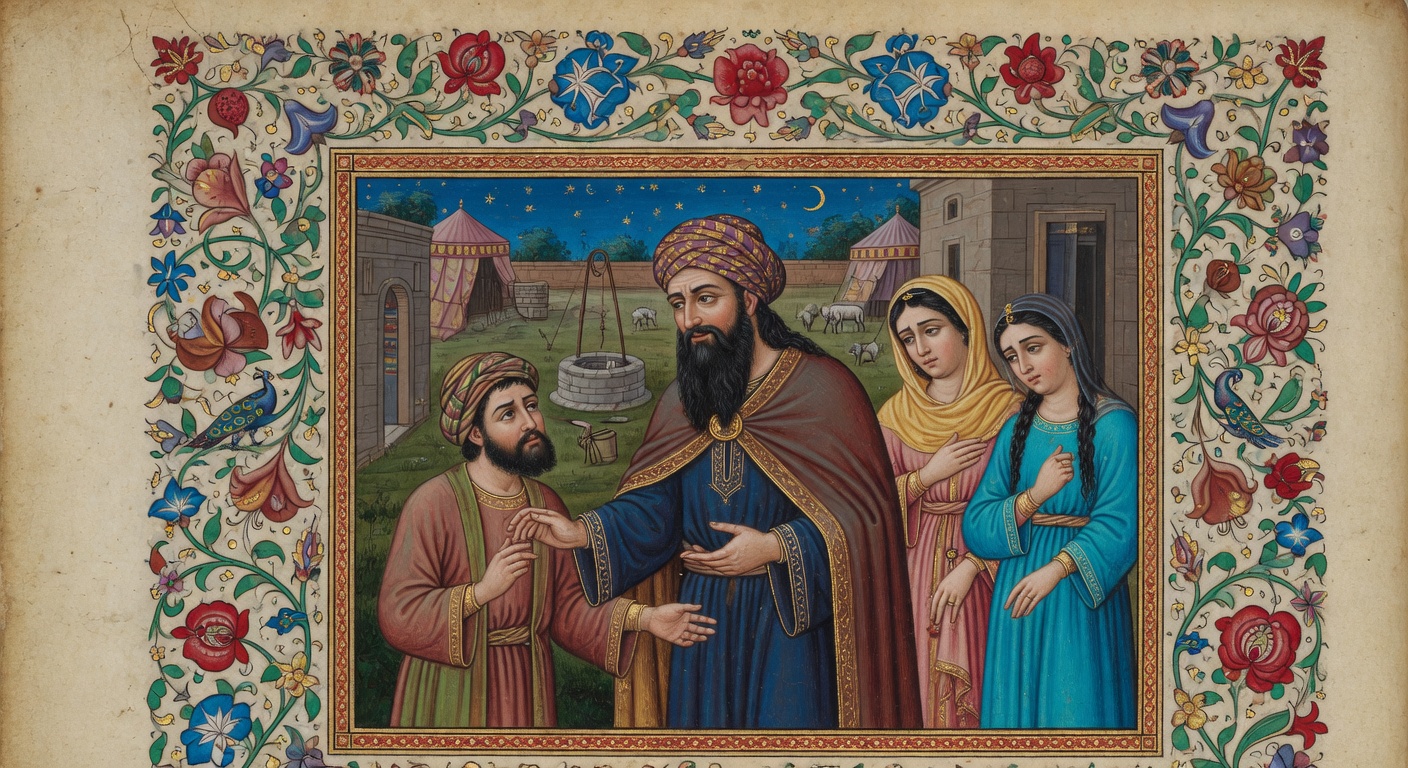
Eliezer of Damascus was the steward of Abraham's household. When God promised Abram a great reward, Abram answered that he was still childless and that 'the steward of my house is this Eliezer of Damascus,' fearing that someone born in his house, not a son, would be his heir. God replied that his heir would come from his own body. The trusted 'eldest servant' whom Abraham later sent to Mesopotamia to find a wife for Isaac (Genesis 24) is not named in that chapter, but he is traditionally identified with Eliezer. That servant swore an oath to Abraham, prayed for guidance at the well, watched God answer through Rebekah's kindness, and brought her home to Isaac.
Biography
- Occupation
- Steward of Abraham's household
- Era
- Patriarchs
- Nationality
- From Damascus
Did You Know?
Eliezer is named only once in Scripture (Genesis 15:2). His identification with the unnamed 'eldest servant' of Genesis 24 is traditional rather than stated in the text.
Scholars have compared Abram's worry that a household servant would inherit his estate with ancient Near Eastern records in which a childless man could adopt a servant as his heir.
The servant's prayer at the well is one of the earliest prayers for guidance in Scripture, and the answer came, as he later said, 'before I had done speaking in mine heart' (Genesis 24:45).
Key Chapters
Key Passages
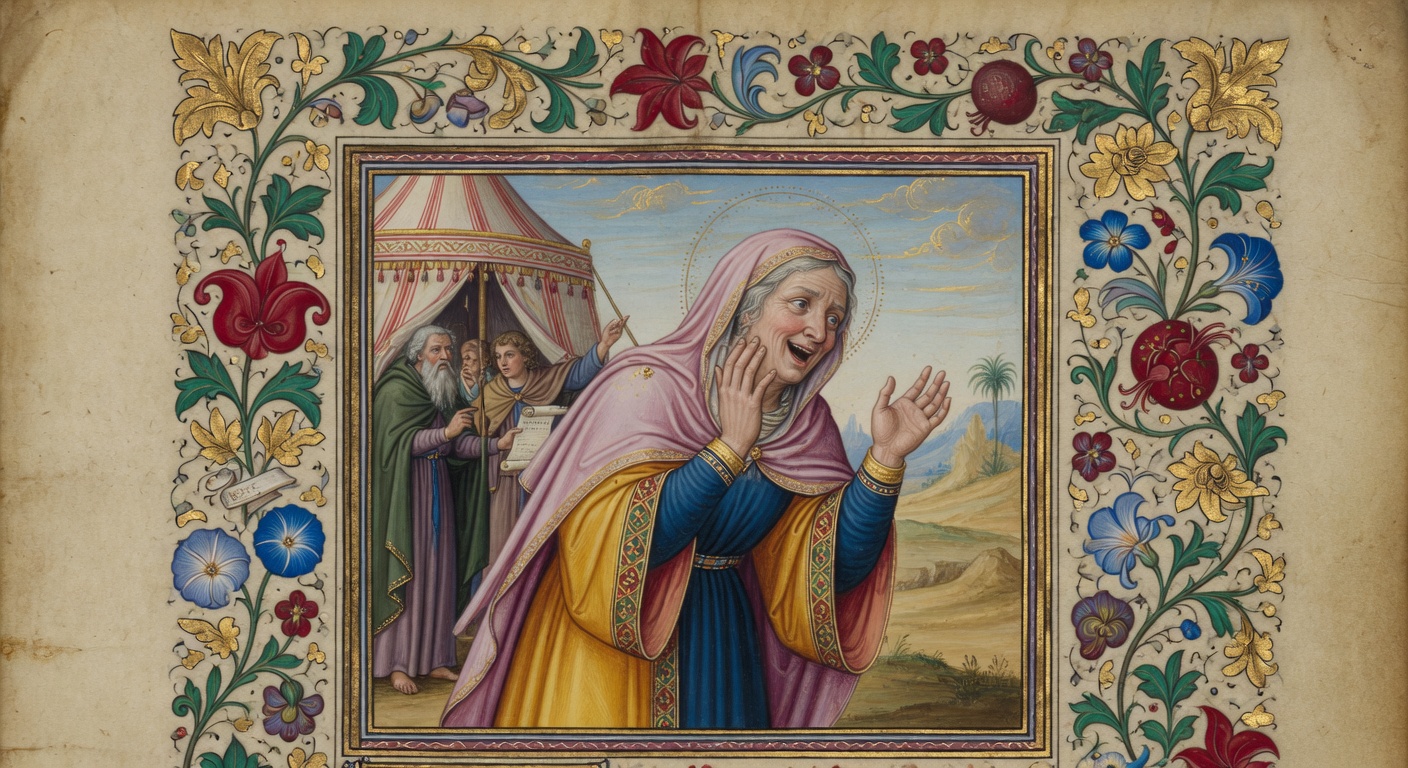
Abram's Heir?
Genesis 15:1-4
Abram voices his fear that a servant will inherit everything, and God answers with a promise of a son, setting Eliezer aside so the covenant line can come through Isaac.
 1fter these things the word of the LORD came unto Abram in a vision, saying, Fear not, Abram: I am thy shield, and thy exceeding great reward.
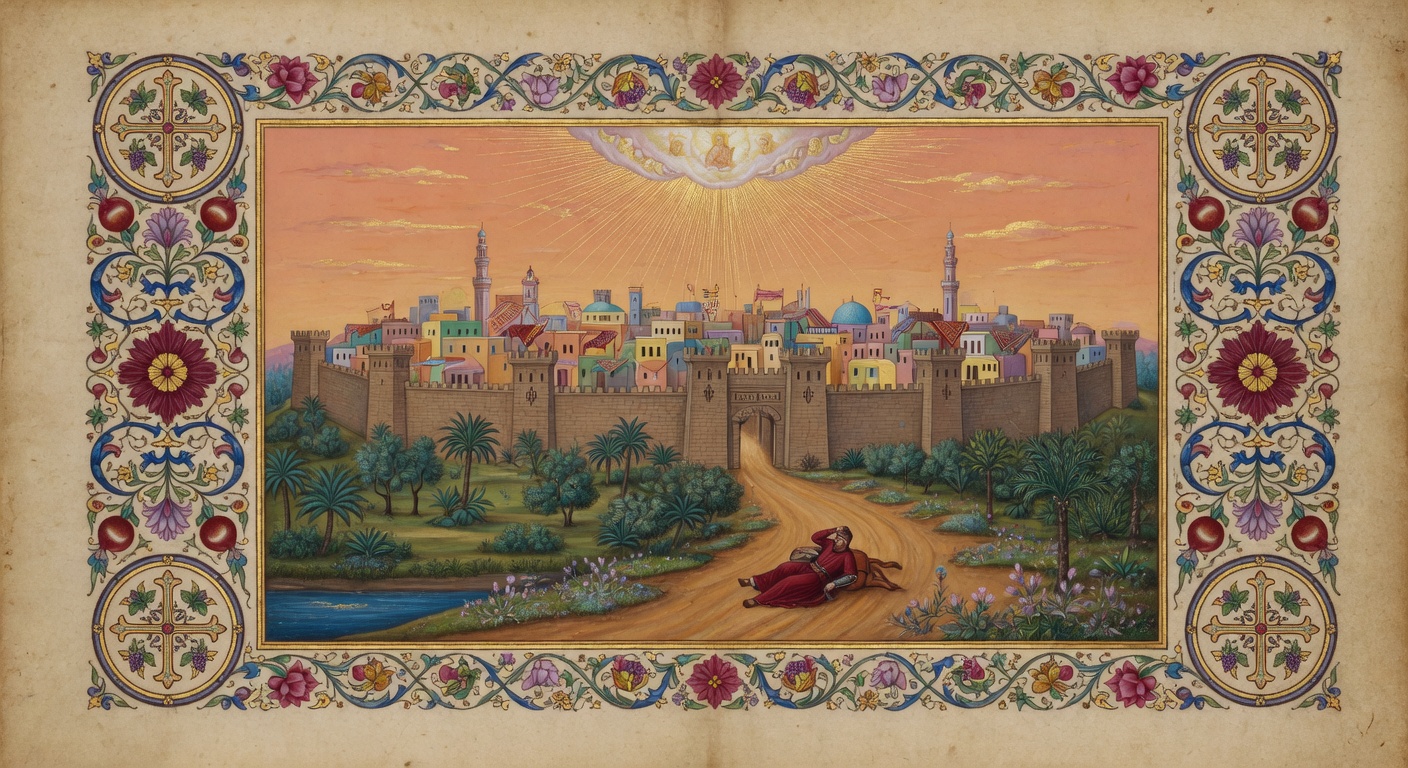
The Eldest Servant's Oath
Genesis 24:1-9
Abraham entrusts the future of the promise to his most trusted servant, traditionally identified as Eliezer, binding him by oath to find Isaac's wife among his own kindred.
1nd Abraham was old, and well stricken in age: and the LORD had blessed Abraham in all things.
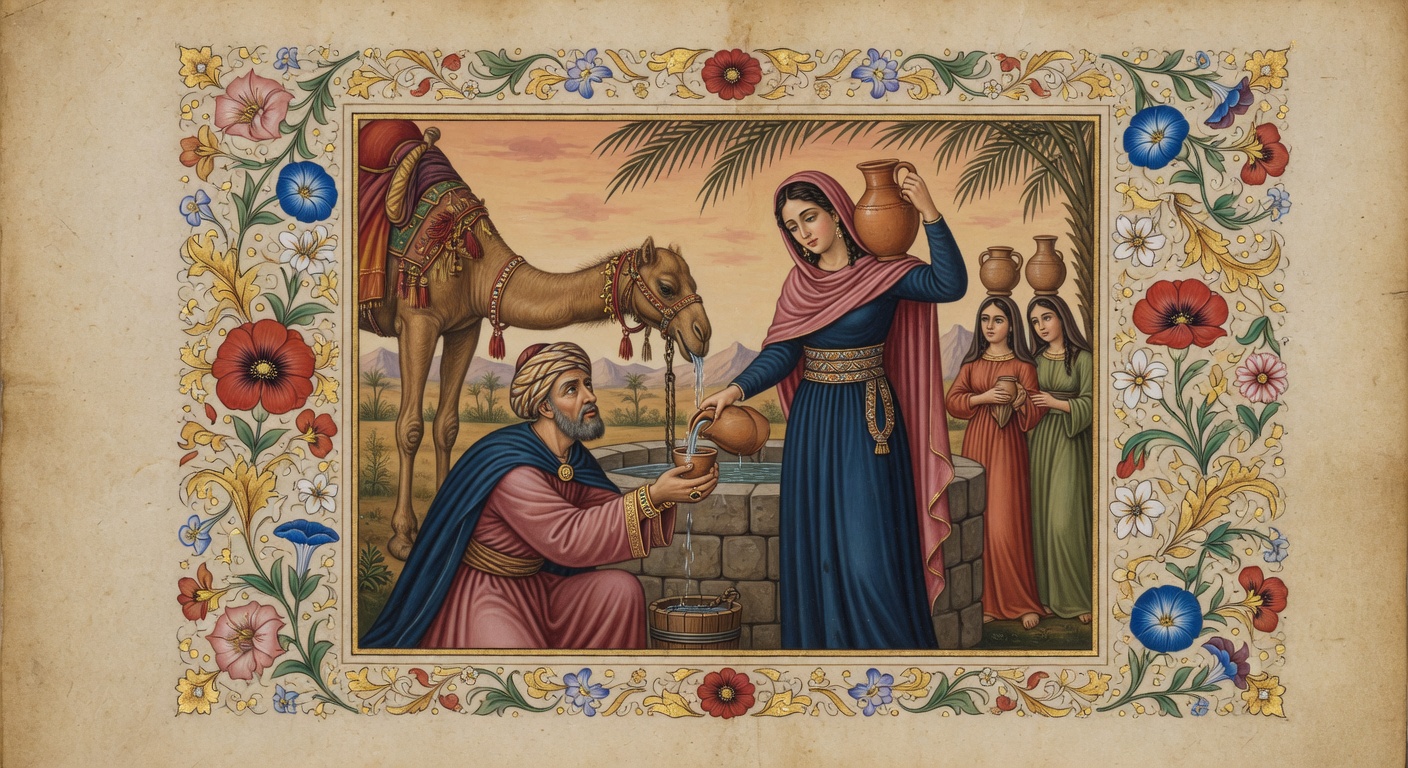
Prayer at the Well
Genesis 24:10-14
The servant asks God for a specific sign of kindness, looking for a bride marked by generous character rather than outward advantage.
10nd the servant took ten camels of the camels of his master, and departed; for all the goods of his master were in his hand: and he arose, and went to Mesopotamia, unto the city of Nahor.
Blessed Be the LORD
Genesis 24:26-27
His first response to answered prayer is worship, giving God the credit for leading him 'in the way.'
26nd the man bowed down his head, and worshipped the LORD.