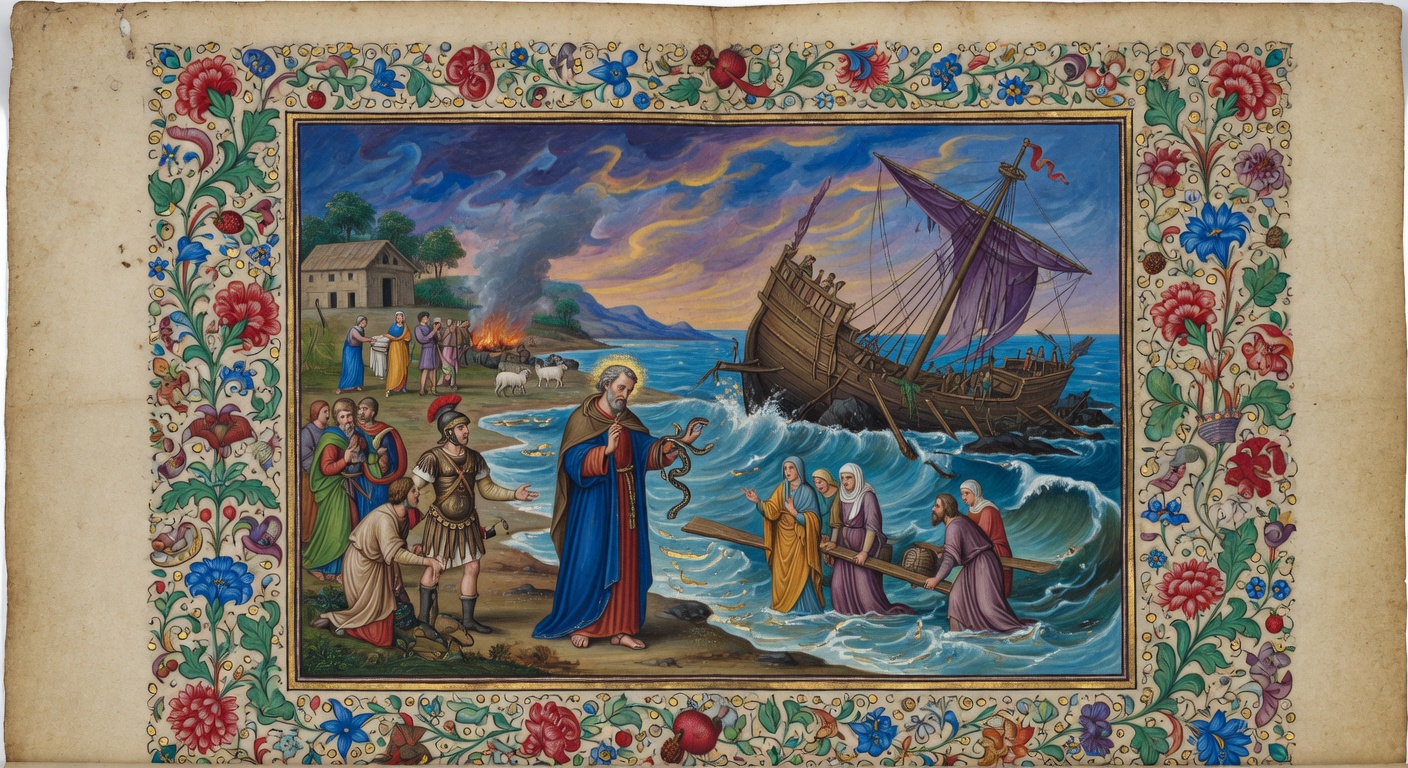
Julius the Centurion
Ask about Julius the Centurion
Julius was a centurion 'of Augustus' band' who was given charge of Paul and other prisoners for the voyage to Italy. From the first day he 'courteously entreated Paul,' allowing him to visit friends at Sidon. At Fair Havens he trusted the ship's master and owner rather than Paul's warning, and the ship was caught in a violent storm. Later, when the sailors tried to escape in the ship's boat, it was Paul's word to the centurion that kept them aboard. When the ship broke apart off Malta, the soldiers wanted to kill the prisoners, but Julius, 'willing to save Paul,' stopped them, and everyone reached land safely. He brought the prisoners on to Rome.
Biography
- Occupation
- Roman centurion
- Era
- New Testament (Acts)
- Nationality
- Roman
Did You Know?
'Augustus' band' (Acts 27:1) translates a Greek phrase for an imperial cohort; its exact identity is debated, but the title marks Julius as a soldier in a unit bearing the emperor's name.
Luke records two notable kindnesses from Julius: at Sidon he let Paul visit his friends (Acts 27:3), and off Malta he stopped the soldiers from killing the prisoners (Acts 27:42-43).
Over the course of the voyage the centurion moved from trusting the ship's master over Paul (Acts 27:11) to acting on Paul's word at once when the sailors tried to escape (Acts 27:31-32).
Key Chapters
Key Passages
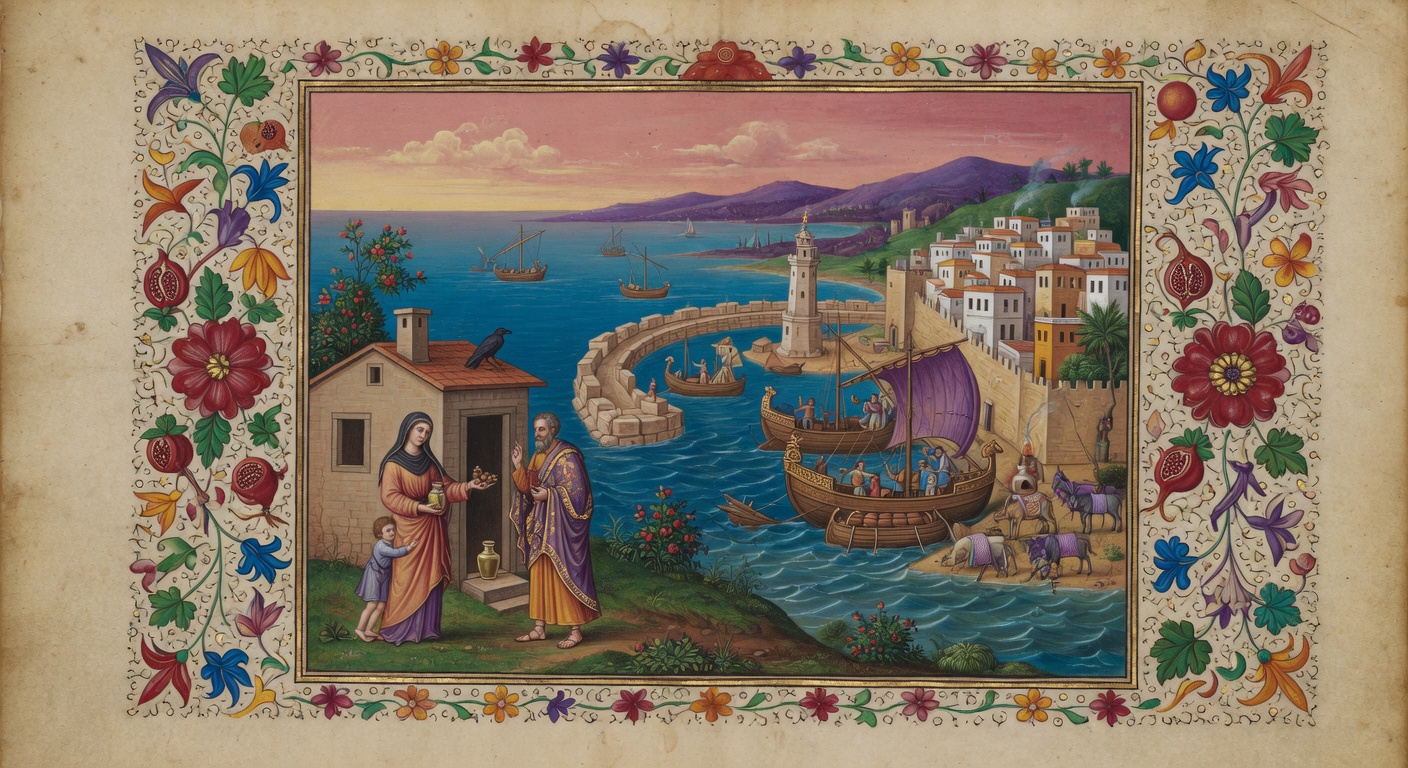
Paul Delivered to Julius
Acts 27:1-3
A Roman officer shows unexpected kindness to his prisoner, and God provides Paul with friends along the way.
 1nd when it was determined that we should sail into Italy, they delivered Paul and certain other prisoners unto one named Julius, a centurion of Augustus’ band.
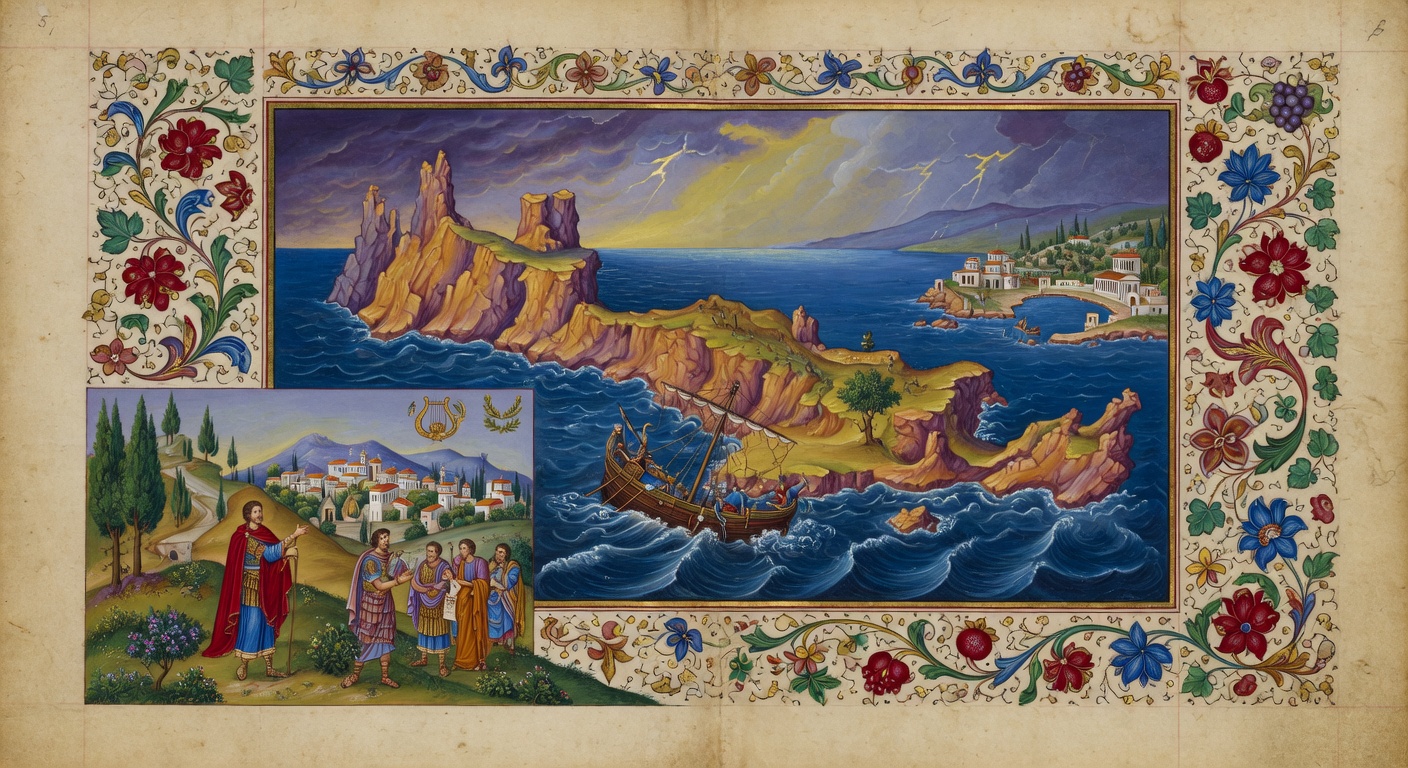
The Centurion Believed the Master
Acts 27:9-11
Julius prefers the opinion of the professionals to Paul's warning, a reasonable choice that proves badly wrong.
 9ow when much time was spent, and when sailing was now dangerous, because the fast was now already past, Paul admonished them,
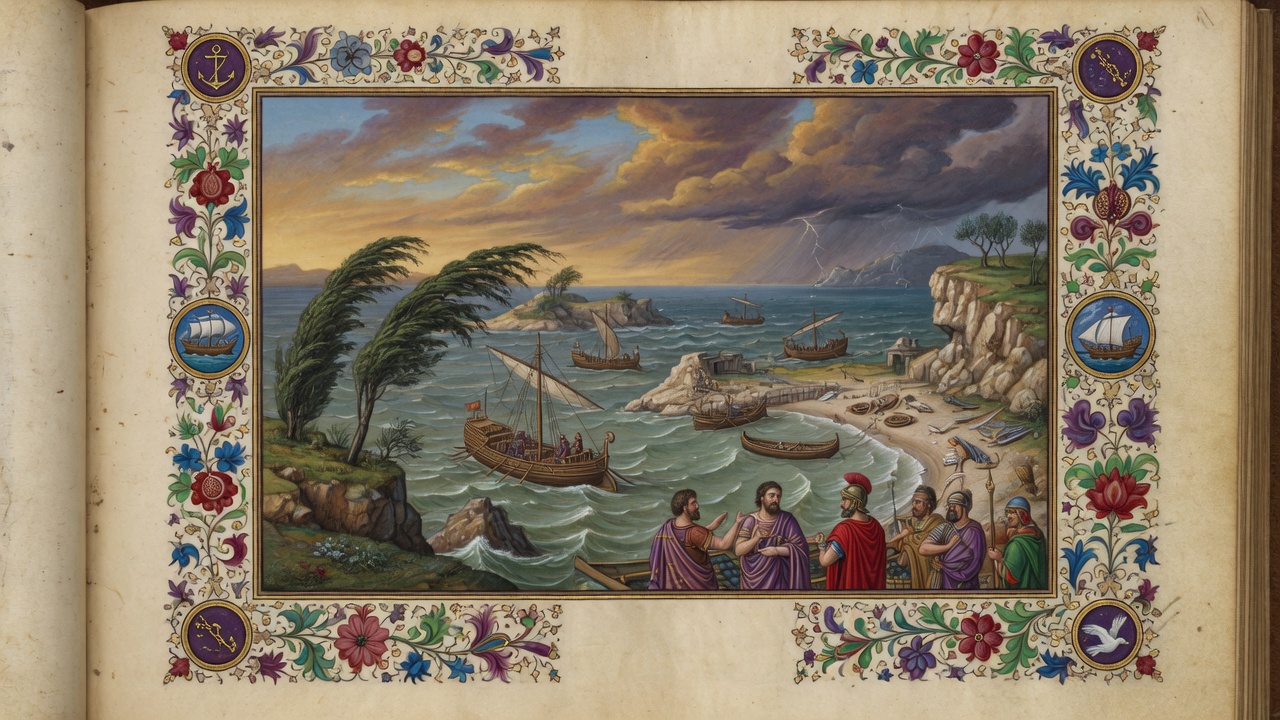
Except These Abide in the Ship
Acts 27:30-32
By now the centurion and his soldiers act on Paul's word at once, showing how the storm had changed who was trusted on board.
30nd as the shipmen were about to flee out of the ship, when they had let down the boat into the sea, under colour as though they would have cast anchors out of the foreship,
Willing to Save Paul
Acts 27:42-44
Julius's respect for Paul saves the lives of every prisoner, and God's promise that none would be lost is kept.
42nd the soldiers’ counsel was to kill the prisoners, lest any of them should swim out, and escape.
Arrival at Rome
Acts 28:16
The centurion completes his charge, and Paul is allowed to live under guard in his own lodging.
16nd when we came to Rome, the centurion delivered the prisoners to the captain of the guard: but Paul was suffered to dwell by himself with a soldier that kept him.