Proverbs 18 KJV
The Power of the Tongue
The Power of the Tongue
Verse 10's depiction of the Lord's name as a 'strong tower' parallels ancient Near Eastern temple names and city gates inscribed with divine titles for protection, underscoring a theology where invoking Yahweh functions as an active refuge rather than mere metaphor.
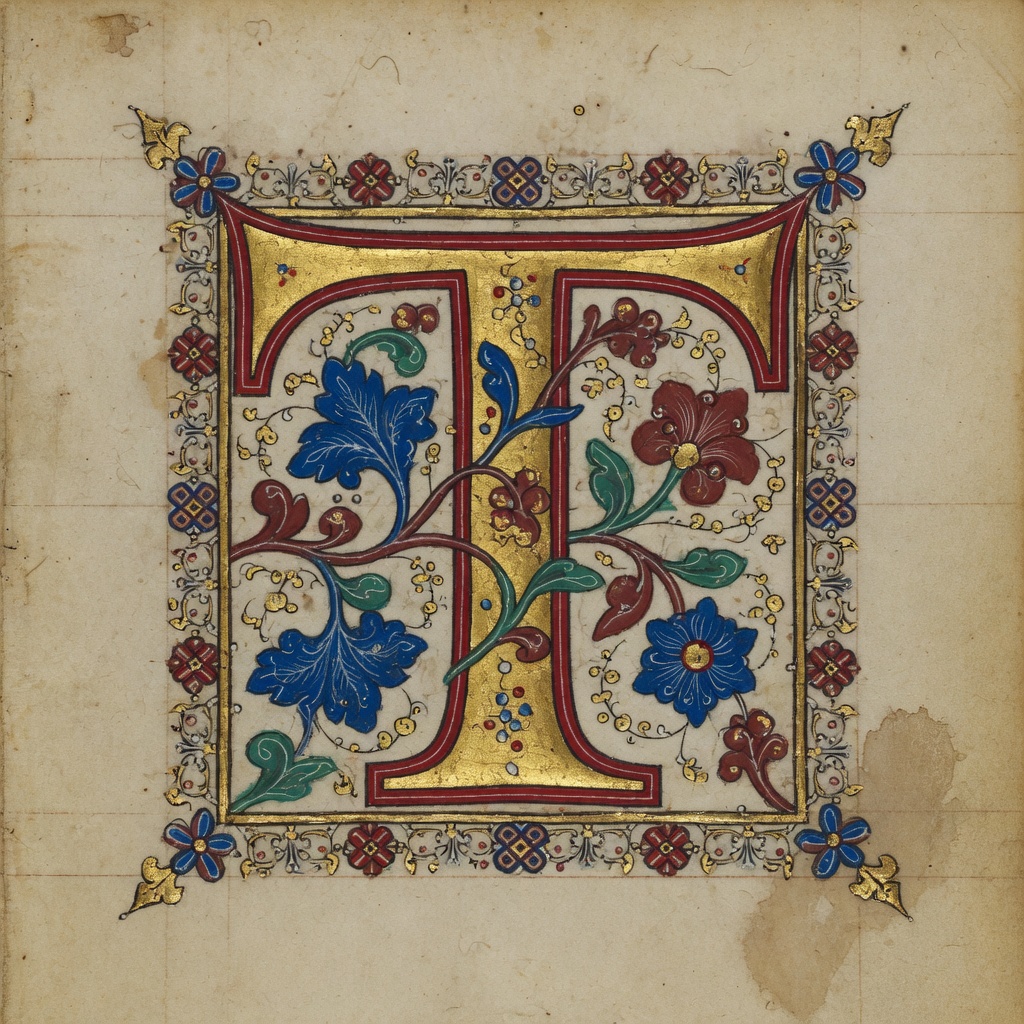 1hrough desire a man, having separated himself, seeketh and intermeddleth with all wisdom.
2 A fool hath no delight in understanding, but that his heart may discover itself.
3 When the wicked cometh, then cometh also contempt, and with ignominy reproach.
4 The words of a man’s mouth are as deep waters, and the wellspring of wisdom as a flowing brook.
5 It is not good to accept the person of the wicked, to overthrow the righteous in judgment.
6 A fool’s lips enter into contention, and his mouth calleth for strokes.
7 A fool’s mouth is his destruction, and his lips are the snare of his soul.
8 The words of a talebearer are as wounds, and they go down into the innermost parts of the belly.
9 He also that is slothful in his work is brother to him that is a great waster.
10 The name of the LORD is a strong tower: the righteous runneth into it, and is safe.
11 The rich man’s wealth is his strong city, and as an high wall in his own conceit.
12 Before destruction the heart of man is haughty, and before honour is humility.
13 He that answereth a matter before he heareth it, it is folly and shame unto him.
14 The spirit of a man will sustain his infirmity; but a wounded spirit who can bear?
15 The heart of the prudent getteth knowledge; and the ear of the wise seeketh knowledge.
16 A man’s gift maketh room for him, and bringeth him before great men.
17 He that is first in his own cause seemeth just; but his neighbour cometh and searcheth him.
18 The lot causeth contentions to cease, and parteth between the mighty.
19 A brother offended is harder to be won than a strong city: and their contentions are like the bars of a castle.
20 A man’s belly shall be satisfied with the fruit of his mouth; and with the increase of his lips shall he be filled.
21 Death and life are in the power of the tongue: and they that love it shall eat the fruit thereof.
22 Whoso findeth a wife findeth a good thing, and obtaineth favour of the LORD.
23 The poor useth intreaties; but the rich answereth roughly.
24 A man that hath friends must shew himself friendly: and there is a friend that sticketh closer than a brother.
← → arrow keys to navigate chapters · spacebar to play/pause audio
Did You Know?
Verse 10's depiction of the Lord's name as a 'strong tower' parallels ancient Near Eastern temple names and city gates inscribed with divine titles for protection, underscoring a theology where invoking Yahweh functions as an active refuge rather than mere metaphor.
The chapter's juxtaposition of casting lots to end disputes (v. 18) with warnings against hasty speech reflects the historical shift from oracular decision-making in pre-monarchic Israel to wisdom-based discernment under the monarchy.
Verse 21's assertion that 'death and life are in the power of the tongue' echoes the Genesis creation account through spoken word, extending divine creative agency to human speech as a moral force with cosmic implications.
The observation that 'the rich man's wealth is his strong city' (v. 11) critiques reliance on material security by ironically paralleling it to the divine tower in v. 10, highlighting covenantal dependence over socioeconomic status in ancient Israelite society.
Verse 24's 'friend that sticketh closer than a brother' inverts typical kinship priorities of the ancient world, prefiguring later biblical themes of chosen covenant bonds over blood relations, as seen in Ruth or David's relationships.
The Queen of Sheba traveled roughly 1,200 miles from her Arabian kingdom with a caravan of camels carrying spices, gold, and stones to test Solomon's wisdom with riddles, then exchanged lavish gifts including 120 talents of gold that funded further temple adornments.
David twice spared Saul's life in the wilderness, once cutting off a piece of his robe in the En Gedi cave and later removing his spear and water jug while he slept, demonstrating restraint amid pursuit.