Genesis 25 KJV
The Birth of Esau and Jacob
The Birth of Esau and Jacob
The prophecy to Rebekah about two nations struggling in her womb subverts ancient Near Eastern primogeniture by declaring the elder will serve the younger, establishing a recurring biblical motif of divine election over human custom.
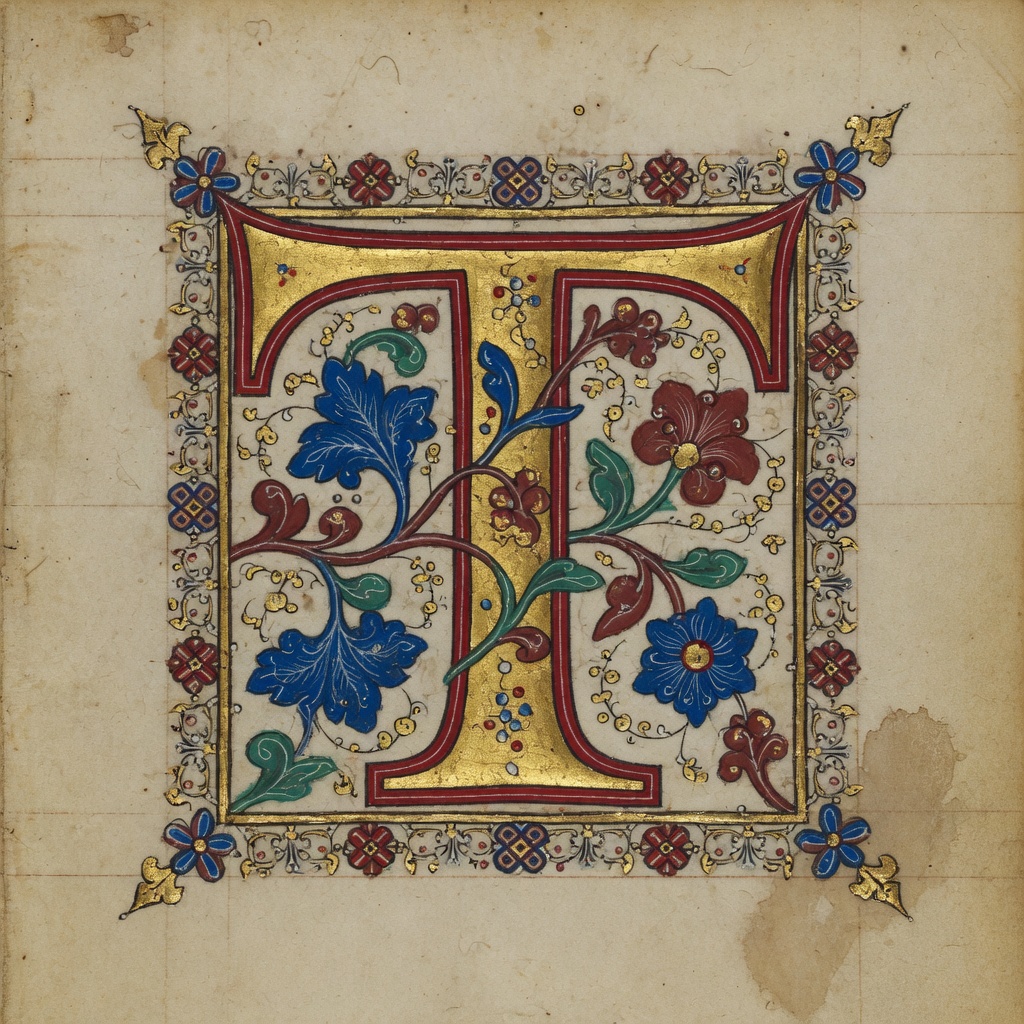 1hen again Abraham took a wife, and her name was Keturah.
2 And she bare him Zimran, and Jokshan, and Medan, and Midian, and Ishbak, and Shuah.
3 And Jokshan begat Sheba, and Dedan. And the sons of Dedan were Asshurim, and Letushim, and Leummim.
4 And the sons of Midian; Ephah, and Epher, and Hanoch, and Abidah, and Eldaah. All these were the children of Keturah.
5 And Abraham gave all that he had unto Isaac.
6 But unto the sons of the concubines, which Abraham had, Abraham gave gifts, and sent them away from Isaac his son, while he yet lived, eastward, unto the east country.
7 And these are the days of the years of Abraham’s life which he lived, an hundred threescore and fifteen years.
8 Then Abraham gave up the ghost, and died in a good old age, an old man, and full of years; and was gathered to his people.
9 And his sons Isaac and Ishmael buried him in the cave of Machpelah, in the field of Ephron the son of Zohar the Hittite, which is before Mamre;
10 The field which Abraham purchased of the sons of Heth: there was Abraham buried, and Sarah his wife.
11 And it came to pass after the death of Abraham, that God blessed his son Isaac; and Isaac dwelt by the well Lahairoi.
12 Now these are the generations of Ishmael, Abraham’s son, whom Hagar the Egyptian, Sarah’s handmaid, bare unto Abraham:
13 And these are the names of the sons of Ishmael, by their names, according to their generations: the firstborn of Ishmael, Nebajoth; and Kedar, and Adbeel, and Mibsam,
14 And Mishma, and Dumah, and Massa,
15 Hadar, and Tema, Jetur, Naphish, and Kedemah:
16 These are the sons of Ishmael, and these are their names, by their towns, and by their castles; twelve princes according to their nations.
17 And these are the years of the life of Ishmael, an hundred and thirty and seven years: and he gave up the ghost and died; and was gathered unto his people.
18 And they dwelt from Havilah unto Shur, that is before Egypt, as thou goest toward Assyria: and he died in the presence of all his brethren.
19 And these are the generations of Isaac, Abraham’s son: Abraham begat Isaac:
20 And Isaac was forty years old when he took Rebekah to wife, the daughter of Bethuel the Syrian of Padanaram, the sister to Laban the Syrian.
21 And Isaac intreated the LORD for his wife, because she was barren: and the LORD was intreated of him, and Rebekah his wife conceived.
22 And the children struggled together within her; and she said, If it be so, why am I thus? And she went to enquire of the LORD.
23 And the LORD said unto her, Two nations are in thy womb, and two manner of people shall be separated from thy bowels; and the one people shall be stronger than the other people; and the elder shall serve the younger.
24 And when her days to be delivered were fulfilled, behold, there were twins in her womb.
25 And the first came out red, all over like an hairy garment; and they called his name Esau.
26 And after that came his brother out, and his hand took hold on Esau’s heel; and his name was called Jacob: and Isaac was threescore years old when she bare them.
27 And the boys grew: and Esau was a cunning hunter, a man of the field; and Jacob was a plain man, dwelling in tents.
28 And Isaac loved Esau, because he did eat of his venison: but Rebekah loved Jacob.
29 And Jacob sod pottage: and Esau came from the field, and he was faint:
30 And Esau said to Jacob, Feed me, I pray thee, with that same red pottage; for I am faint: therefore was his name called Edom.
31 And Jacob said, Sell me this day thy birthright.
32 And Esau said, Behold, I am at the point to die: and what profit shall this birthright do to me?
33 And Jacob said, Swear to me this day; and he sware unto him: and he sold his birthright unto Jacob.
34 Then Jacob gave Esau bread and pottage of lentiles; and he did eat and drink, and rose up, and went his way: thus Esau despised his birthright.
← → arrow keys to navigate chapters · spacebar to play/pause audio
Did You Know?
The prophecy to Rebekah about two nations struggling in her womb subverts ancient Near Eastern primogeniture by declaring the elder will serve the younger, establishing a recurring biblical motif of divine election over human custom.
Abraham's gifts to the sons of Keturah and their subsequent dismissal create a parallel with Hagar and Ishmael, yet these sons link to later Midianite tribes that intersect with Moses' story, illustrating extended patriarchal influence beyond the covenant line.
Ishmael's twelve sons are explicitly listed as princes, mirroring Israel's tribal structure and fulfilling the earlier promise to Abraham while positioning Ishmael as a distinct but related chosen lineage.
Esau's demand for the red stew directly ties his name and Edom's etymology to his impulsive character, with the narrative using the rare term 'pottage of lentiles' to emphasize the mundane exchange for a spiritual birthright.
The chapter records Abraham's death and burial alongside Sarah before shifting to Isaac, creating a deliberate transition that brackets the patriarchal focus while noting Ishmael's later death to close the prior generation's accounts.
Esau was born red and fully hairy, a detail that directly inspired both his name (meaning "hairy") and his nickname Edom (meaning "red"), while his brother Jacob emerged grasping his heel.
Rebekah received a direct divine oracle during her difficult pregnancy revealing that her twins were rival nations and that the elder would serve the younger, a prophecy Isaac never received and which shaped her later actions.
Although Genesis 25:1 calls Keturah Abraham's wife, 1 Chronicles 1:32 designates her a concubine, illustrating how later biblical writers sometimes downgraded secondary wives to protect the primacy of the Isaac covenant line.
Jacob's name, meaning "supplanter" or "heel-grabber," directly references his grasping of Esau's heel during birth, a detail symbolizing his later displacement of his brother in acquiring the birthright and blessing within the ancient Israelite emphasis on divine election over primogeniture.
It is notably associated with Abraham, who dug a well there and entered into a covenant with King Abimelech, naming the site Beersheba to commemorate their oath.
These accounts illustrate Scripture’s broader theme of divine justice exercised against nations that harbor lasting hostility toward God’s people.
Two of the four rivers mentioned (Pishon and Gihon) have never been conclusively identified.
Commentary & Study Notes Jamieson-Fausset-Brown (1871) · Public Domain Abraham took a wife — rather, "had taken"; for Keturah is called Abraham's concubine, or secondary wife (1Ch 1:32); and as, from her bearing six sons to him, it is improbable that…
Classic verse-by-verse commentary on Genesis 25 from Jamieson, Fausset & Brown (1871). Covers: Sons of abraham; Death of abraham; Descendants of ishmael. Before passing to the line of the promised seed, the historian gives a brief notice of ishmael, to show that the promises respecting that son of abraham were fulfilled--first, in the greatness of his posterity (compare ge 17:20); And, secondly, in their independence; History of isaac.
- 1
- Abraham took a wife — rather, "had taken"; for Keturah is called Abraham's concubine, or secondary wife (1Ch 1:32); and as, from her bearing six sons to him, it is improbable that he married after Sarah's death; and also as he sent them all out to seek their own independence, during his lifetime, it is clear that this marriage is related here out of its chronological order, merely to form a proper winding up of the patriarch's history.
- 5,6
- Abraham gave all that he had unto Isaac... unto the sons of the concubines... Abraham gave gifts — While the chief part of the inheritance went to Isaac; the other sons (Ishmael included) migrated to "the East country," that is, Arabia, but received each a portion of the patrimony, perhaps in cattle and other things; and this settlement of Abraham's must have given satisfaction, since it is still the rule followed among the pastoral tribes.
Read all 11 notes on Genesis 25 →